


Millions of Americans Face Soaring Utility Bills as Rate Hikes Take Effect
The New Reality of Rising Energy Costs
Americans across the country are bracing for a significant hit to their wallets as utility companies implement dozens of approved rate increases throughout 2025. In what consumer advocates are calling “the new politics of electricity,” regulators have greenlit 43 separate rate hikes totaling a staggering $11.6 billion in additional costs. This wave of increases, analyzed by the nonprofit organization PowerLines, will impact approximately 56 million Americans who are already struggling with high living expenses. The majority of these rate hikes have already taken effect, with eight more scheduled to roll out in the coming months. This development adds yet another layer of financial stress for households at a time when energy costs have become a major concern for families trying to balance their budgets. Charles Hua, executive director of PowerLines, compared the situation to the public outcry over soaring egg prices in recent years, suggesting that electricity bills have become the new symbol of consumer frustration with rising costs.
Why Your Electric Bill Keeps Climbing Higher
Understanding why utility companies need to raise rates requires looking at several interconnected factors affecting the energy industry. Utilities are justifying these increases by pointing to aging infrastructure that desperately needs repair and replacement, costs associated with increasingly frequent and severe extreme weather events, unpredictable fuel prices that make budgeting difficult, and a dramatic surge in electricity demand driven largely by the proliferation of energy-hungry data centers. The way utility billing works means that consumers ultimately absorb all these costs through their monthly bills, including both operational expenses and capital infrastructure investments. This system essentially makes ratepayers the financial backstop for whatever challenges utilities face, whether those are natural disasters, equipment failures, or business decisions about serving new industrial customers. The complexity of these factors means that the specific reasons for rate increases can vary dramatically from one region to another, making it difficult for consumers to understand exactly why their bills are climbing or to comparison-shop for better rates in areas where they have no choice of provider.
The South Bears the Heaviest Burden
While utility rate increases are affecting Americans nationwide, the data reveals a concerning geographic pattern: southern states are experiencing the most severe financial impact. Utilities operating in the southern United States submitted 13 rate increase requests, and regulators approved a combined total of $8.4 billion in additional charges for residents in these states. This represents a disproportionate share of the national burden, with the South accounting for more than 70% of the total approved increases despite representing a smaller portion of the U.S. population. Among the most contentious battles is the rate hike requested by Florida Power & Light, which has asked state regulators to approve billions of dollars in additional charges that Florida residents would pay over the coming years. This particular case has sparked heated debate about utility accountability and whether regulators are adequately protecting consumer interests. Looking ahead, the situation could become even more challenging: PowerLines identified 83 total rate requests submitted in 2025, with 38 still awaiting regulatory decisions and only two rejected outright. If regulators approve even a portion of these pending requests, more than 80 million Americans—roughly one in four people nationwide—could soon be facing higher monthly utility bills on top of increases already implemented.
The Human Cost of Unaffordable Energy
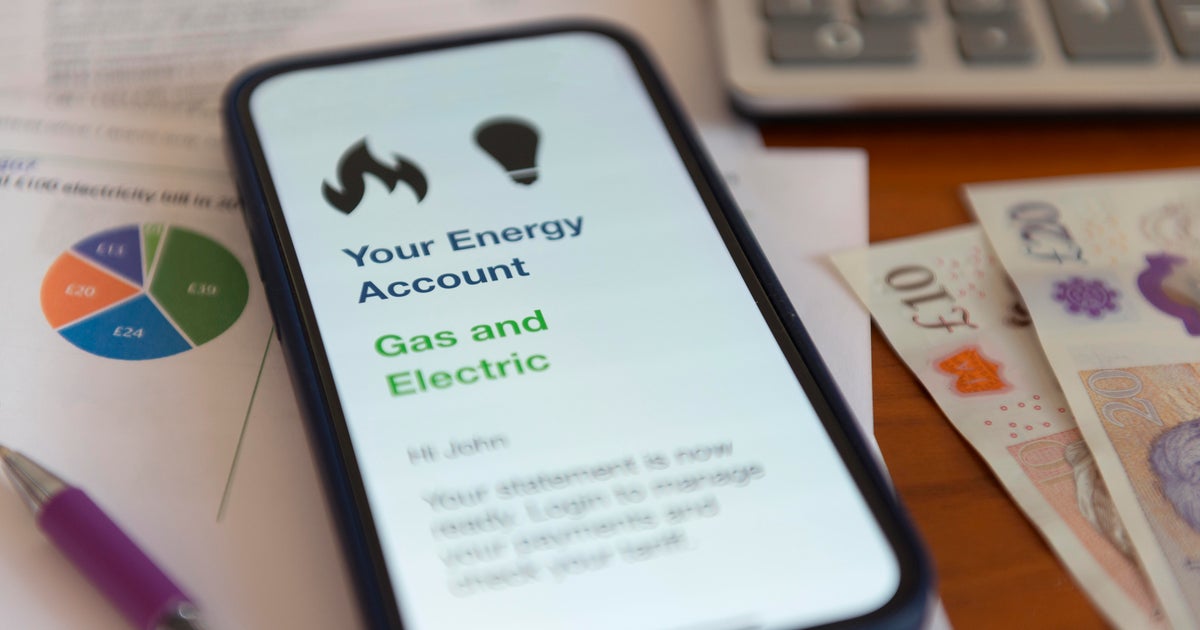
Beyond the statistics and billions of dollars in rate increases lies a more troubling human story about Americans forced to make impossible choices between essential needs. Recent analysis of U.S. Census Bureau data by LendingTree revealed that approximately one in three Americans reported having to skip paying for other basic expenses during 2024 just to keep their lights on and homes heated or cooled. This stark finding illustrates how energy costs have moved from being a routine household expense to a genuine crisis for millions of families. As of July 2025, the average American household was spending roughly $250 per month on utilities, according to data from The Century Foundation and the advocacy group Protect Borrowers. For families living paycheck to paycheck or on fixed incomes, this represents a substantial portion of their monthly budget that leaves little room for unexpected increases. The situation is particularly dire for vulnerable populations including seniors, people with disabilities who may require climate-controlled environments for health reasons, and low-income families with children. When forced to choose between paying the electric bill or buying groceries, filling prescriptions, or covering rent, families face decisions that can have cascading negative effects on their health, education, and overall wellbeing.
Regional Variations and the Data Center Dilemma
The specific drivers behind utility rate increases vary significantly depending on geographic location and local circumstances, creating a patchwork of different challenges across the country. In California, for example, the devastating wildfires that have plagued the state in recent years have emerged as the primary factor pushing utility costs higher, as companies work to upgrade equipment, implement fire prevention measures, and cover liability costs from previous disasters. Meanwhile, in Georgia, residents are contending with rate increases driven by a combination of extreme weather events and the massive cost overruns associated with the Vogtle nuclear plant expansion, which became one of the most expensive power plant projects in American history. The role of power-hungry data centers in driving up electricity demand and costs represents a particularly complex and controversial issue. While these facilities undoubtedly consume enormous amounts of electricity to power servers and cooling systems necessary for cloud computing and artificial intelligence operations, determining exactly how much they contribute to any individual household’s bill increase is surprisingly nuanced. According to Hua, the impact depends on factors including geography, the structure of the local electricity market, state regulatory frameworks, and the specific actions taken or not taken by public utility commissions in each jurisdiction.
Looking Ahead: What to Expect in the Coming Years
Unfortunately for Americans hoping for relief, the forecast for utility costs suggests that higher bills will continue to be a persistent challenge rather than a temporary inconvenience. The U.S. Energy Information Administration projects that residential electricity prices will rise by nearly 4% in 2026, continuing an upward trend driven by increasing demand from electrification of transportation and heating, expanded manufacturing operations, and the continued growth of data centers. Americans spent an average of $1,833 on electricity alone in 2024, and that figure is expected to climb in the years ahead. PowerLines reports that wholesale electricity prices have surged in recent years, creating upward pressure on retail rates that consumers ultimately pay. There is a potential silver lining regarding natural gas prices, which the EIA projects will decline somewhat in coming years, possibly offering modest relief for households that use gas for heating and cooking. However, experts caution that natural gas prices are likely to remain volatile even if the overall trend is downward. Recent weather events demonstrate this volatility: during a severe winter storm in late January, global natural gas prices spiked to nearly $7 per million British thermal units, the highest level in over two years, as demand for heating surged. While these short-term spikes don’t immediately impact consumer bills because utilities typically hedge their fuel purchases months in advance, sustained high prices or continued volatility could eventually flow through to household bills, adding yet another element of uncertainty to an already challenging situation for American families trying to budget for basic necessities.