



Millions of Americans Face Losing Food Benefits as New SNAP Work Requirements Take Effect
Understanding the Changes Coming to Food Assistance
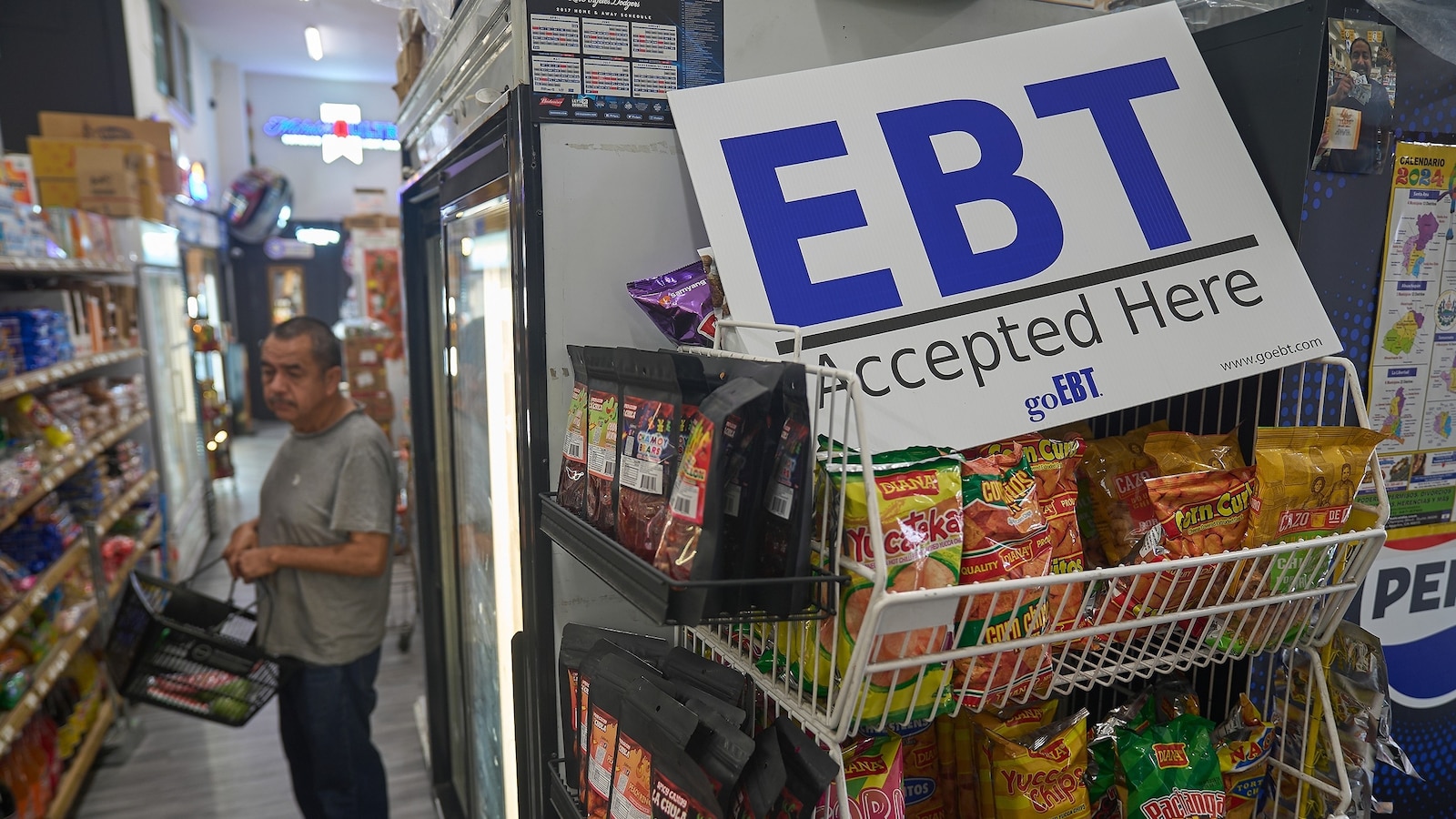
Starting February 1st, significant changes to America’s food assistance program are putting millions of vulnerable families at risk of losing the support they desperately need to put food on their tables. The Supplemental Nutrition Assistance Program, commonly known as SNAP, currently helps nearly 42 million Americans—including low-income families and households struggling to make ends meet—afford groceries and essential household items. These changes stem from President Donald Trump’s megabill that became law last July, fundamentally altering who qualifies for this critical safety net program. The new rules tighten work requirements for certain groups of Americans, limiting how long they can receive benefits without meeting specific employment criteria. For the first time, able-bodied adults without dependents between ages 54 and 64 will need to meet work requirements to continue receiving assistance beyond a three-month period over three years. Additionally, the rules have been modified for parents and caregivers, narrowing exemptions to only those caring for children under 14, down from the previous threshold of 18 years old. These seemingly technical adjustments carry enormous real-world consequences for families across the country who rely on SNAP to bridge the gap between their paychecks and their grocery bills.
Who Will Be Affected and How Many Will Lose Benefits
The human cost of these policy changes is staggering. According to estimates from the Congressional Budget Office released in August 2025, approximately 1.1 million people will lose their SNAP benefits between 2025 and 2034 as a direct result of these new work requirements. This includes roughly 800,000 able-bodied adults up to age 64 who don’t live with dependents, and another 300,000 parents or caregivers up to age 64 who have children aged 14 or older living with them. But the impact doesn’t stop there—an additional million people could lose their benefits, specifically able-bodied adults between ages 18 and 54 (or 18 to 49 starting in 2031) without dependents who previously would have qualified for waivers from work requirements. Perhaps most troubling, the megabill also stripped away exemptions that previously protected some of America’s most vulnerable populations: homeless individuals struggling to survive on the streets, veterans who served their country, and young adults who aged out of the foster care system at 18. These are people already facing tremendous obstacles in their daily lives, and now they’re losing access to basic food assistance that helps them survive while they work to stabilize their situations.
The Reality of Meeting Work Requirements for Vulnerable Populations
Joel Berg, CEO of the nonprofit organization Hunger Free America, has voiced serious concerns about the practical challenges these changes will create. “Millions of people will unnecessarily be kicked off the rolls,” Berg explained in an interview with ABC News. “They will lose the food they need, and sometimes family members need. More Americans will go hungry. Soup kitchens and food pantries and the food banks that supply them will not have the resources to meet this need.” The problem isn’t just about finding work—it’s about the bureaucratic hurdles that vulnerable populations face in proving they meet the requirements. For homeless individuals without stable addresses, veterans dealing with physical or mental health challenges, and young people just emerging from foster care without family support networks, providing the necessary documentation to demonstrate they’re meeting work requirements can be nearly impossible. “It will be extraordinarily difficult for them, and they are among the most vulnerable Americans already,” Berg noted. “Some of the most vulnerable populations—homeless people, veterans and young people who just left foster care—are going to lose their food, lose their groceries and there is no plan in place to fix that.” The Congressional Budget Office acknowledges that while these groups will see significant reductions in SNAP participation, there will be some offset through increased participation among American Indians, who received exemptions under the megabill.
The Government’s Justification and What Officials Are Saying
Supporters of these stricter work requirements argue they’re necessary steps to combat waste, fraud, and abuse in the system. Agriculture Secretary Brooke Rollins defended the changes during a Fox Business interview, framing SNAP benefits as a temporary solution rather than a long-term support system. “The American dream is not being on [a] food stamp program,” Rollins stated. “The American dream is not being on all these programs. That should be a hand up, not a handout.” She also claimed that as of the day before her interview, the administration had moved 1.75 million people off of SNAP. The USDA has emphasized that state agencies administering the program must prepare to enforce the new time limits in areas without waivers, and the department has committed to providing technical assistance to help states implement these changes. A USDA spokesperson told ABC News, “The Department remains committed to providing technical assistance to state agencies, including guidance and state-specific assistance, to ensure successful implementation of the time limit, the subsequent work requirement, and most importantly, helping eligible recipients move from welfare to work, education, or training opportunities.” However, critics question whether the infrastructure and resources exist to truly help people transition from benefits to sustainable employment, especially given the populations affected.
The Truth About SNAP Recipients and Work
One of the most significant misconceptions driving these policy changes is the idea that SNAP recipients are avoiding work. The reality tells a very different story. Data from the 2023 American Community Survey reveals that the majority of American families receiving SNAP benefits had at least one family member working within the past 12 months. These aren’t people choosing government assistance over employment—they’re working families whose wages simply don’t stretch far enough to cover both rent and groceries in today’s economy. “These work requirements aren’t really about promoting work. They’re about dehumanizing people and attacking the ‘other,'” Berg argued. “Most SNAP recipients are pro-work, and most SNAP recipients are already working, or children or people with disability or older Americans. So all this is sort of a diversionary debate.” The evidence supports his assertion. Research shows that work requirements can actually reduce program participation without necessarily improving employment outcomes. A 2021 report from the National Bureau of Economic Research found that SNAP work requirements could lead to up to 53% of eligible adults exiting the program within 18 months—but this exit from the program doesn’t automatically translate to securing stable, living-wage employment. Instead, it often means people simply lose access to food assistance while continuing to struggle economically.
What This Means for Communities and the Future
As these changes take effect, the ripple effects will extend far beyond the individuals losing benefits. Food banks, soup kitchens, and community pantries—already stretched thin serving their communities—will face increased demand they’re not equipped to handle. Unlike the SNAP program, which is federally funded and scaled to meet need, charitable food organizations operate on limited budgets and donations. When millions of people suddenly lose access to SNAP, these community organizations won’t have the resources to fill the gap, meaning more Americans will simply go hungry. The timing is particularly concerning given ongoing economic challenges many families face, including high food costs and housing expenses. For the 42 million Americans currently relying on SNAP, these benefits aren’t luxuries—they’re essential support that allows parents to feed their children, enables seniors on fixed incomes to afford both medication and meals, and helps people transitioning between jobs avoid falling into deeper poverty. The state agencies responsible for administering SNAP now face the challenge of implementing these new requirements while trying to help affected individuals find pathways to compliance. Whether adequate support systems, job opportunities, and training programs will materialize to help people meet these new work requirements remains an open question—one that will be answered in the lived experiences of millions of vulnerable Americans in the coming months.