


New York Attorney General Launches Oversight Program for Federal Immigration Enforcement
Protecting Rights Through Independent Observation
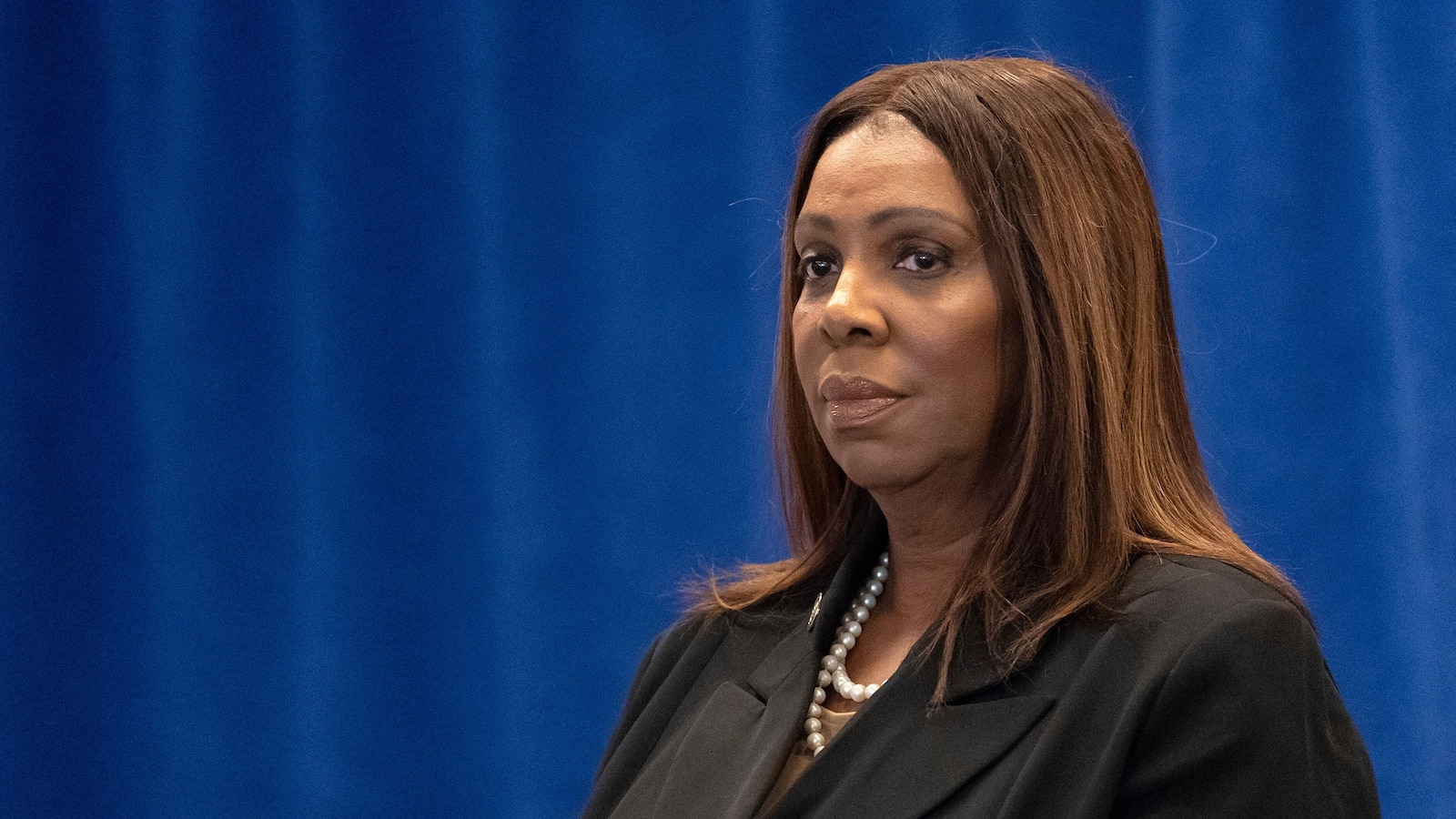
In a significant move to ensure accountability and transparency in federal immigration operations, New York Attorney General Letitia James announced on Tuesday the establishment of a Legal Observation Project. This initiative will deploy trained volunteers from her office across New York State to monitor and document activities carried out by Immigration and Customs Enforcement (ICE) and other federal immigration authorities. The announcement comes at a time of heightened concern about immigration enforcement tactics and their impact on communities throughout the state.
The legal observers participating in this program will be easily identifiable, wearing distinctive vests that mark them as official monitors from the Attorney General’s office. James emphasized that these observers are not being sent out to interfere with or obstruct federal agents as they carry out their duties. Instead, their role is strictly to watch, document, and create detailed records of how immigration enforcement actions unfold. This hands-off approach is designed to respect the legitimate functions of federal law enforcement while simultaneously ensuring that the rights of New York residents are protected and that federal agents operate within the bounds of the law.
Responding to National Concerns About Enforcement Tactics
The decision to launch this oversight program didn’t happen in a vacuum. Attorney General James specifically referenced recent events in Minnesota as a catalyst for the initiative, noting how federal immigration operations can quickly spiral out of control when there’s insufficient transparency and oversight. “We have seen in Minnesota how quickly and tragically federal operations can escalate in the absence of transparency and accountability,” James stated, highlighting the real-world consequences that can occur when immigration enforcement actions happen without proper monitoring or public scrutiny.
This reference to Minnesota underscores a broader national conversation about how immigration enforcement is being conducted across the United States. By pointing to specific incidents where operations became problematic, James is making the case that proactive monitoring isn’t just bureaucratic oversight—it’s a necessary safeguard to prevent situations from deteriorating and to protect the fundamental rights of all people in New York, regardless of their immigration status. The Legal Observation Project represents New York’s commitment to ensuring that federal enforcement activities within its borders are conducted lawfully and with respect for human dignity.
Creating an Independent Record for Potential Legal Action
One of the key objectives of the Legal Observation Project is to compile comprehensive, independent records of ICE conduct throughout New York State. These documented observations serve a dual purpose: they provide real-time accountability during enforcement actions, and they create a detailed archive of evidence that could prove invaluable if the Attorney General’s office needs to pursue litigation against federal authorities. When legal observers witness potential violations of constitutional rights, improper procedures, or other concerning conduct, those observations become part of an official record that can support legal challenges.
This approach reflects a strategic understanding of how to effectively challenge federal overreach through the legal system. Rather than relying solely on after-the-fact complaints or fragmented accounts from witnesses, the Attorney General’s office is proactively creating a professional, systematic record of immigration enforcement activities. If patterns of misconduct emerge or specific incidents warrant legal action, the state will have credible, well-documented evidence gathered by trained observers from a law enforcement agency. This kind of documentation can make the difference between successful litigation and cases that fail due to insufficient evidence.
Enlisting Public Participation in Oversight Efforts
Beyond deploying her own staff as legal observers, Attorney General James is also calling on ordinary New York residents to participate in this oversight effort. She has specifically urged people across the state to submit videos and other documentation of federal immigration enforcement activities to a dedicated section of her office’s website. This crowdsourced approach to monitoring acknowledges that the Attorney General’s office, regardless of how many volunteers it deploys, cannot be everywhere at once. By tapping into the power of community documentation, the office can dramatically expand its reach and awareness of what’s happening on the ground.
This public call for documentation also empowers communities that are often most affected by immigration enforcement but may feel powerless in the face of federal authority. By providing an official channel for submitting evidence and documentation, the Attorney General’s office is telling New York residents that their observations matter, that their videos and accounts can contribute to holding federal agents accountable, and that they have an ally in state government. It transforms passive witnesses into active participants in the oversight process, creating a network of eyes and ears across the state that can alert authorities to potential problems and provide crucial evidence when violations occur.
Balancing Federal Authority with State Responsibility
The Legal Observation Project raises important questions about the relationship between federal and state authority, particularly when it comes to immigration enforcement. While immigration law is primarily a federal responsibility, state attorneys general have both the authority and the obligation to ensure that federal operations within their states comply with constitutional protections and respect individual rights. Attorney General James is walking a careful line—acknowledging the federal government’s role in immigration enforcement while asserting New York’s right and responsibility to ensure that enforcement doesn’t violate the constitutional rights of people within the state.
This tension between federal enforcement priorities and state-level concerns about civil rights and community safety isn’t new, but it has intensified in recent years. By establishing formal observation protocols, New York is institutionalizing a check on federal power that goes beyond rhetoric or political statements. The legal observers represent a concrete, operational response to concerns about how immigration enforcement affects New York communities. This approach could serve as a model for other states grappling with similar concerns about ensuring accountability in federal immigration operations while respecting the legitimate enforcement responsibilities of federal agencies.
Looking Forward: Transparency and Accountability in Immigration Enforcement
The establishment of the Legal Observation Project marks a significant development in how states can respond to federal immigration enforcement within their borders. By combining professional legal observers from the Attorney General’s office with crowdsourced documentation from the public, New York is creating a comprehensive oversight system designed to promote transparency, protect individual rights, and preserve a detailed record of federal enforcement activities. Whether this initiative will meaningfully impact how ICE and other federal agencies operate in New York remains to be seen, but it sends a clear message that the state is committed to ensuring that all enforcement actions, regardless of who conducts them, comply with constitutional standards and respect human dignity.
As immigration continues to be a contentious and emotionally charged issue in American politics, initiatives like the Legal Observation Project represent an attempt to move beyond polarization and focus on fundamental principles of accountability and the rule of law. New Yorkers on all sides of the immigration debate should be able to agree that enforcement actions should be conducted lawfully, that rights should be respected, and that transparency serves everyone’s interests. By documenting what actually happens during immigration enforcement operations, the Attorney General’s office is creating the foundation for informed debate, potential legal action where warranted, and ultimately, a more just and accountable system for everyone in New York State.