
CBS Sunday Morning: A Weekly Journey Through America’s Most Compelling Stories
Apple’s Golden Anniversary: Five Decades of Innovation That Changed Everything
This Sunday marks a momentous occasion as CBS News Sunday Morning, the Emmy Award-winning program hosted by Lee Cowan, dedicates its cover story to Apple’s 50th anniversary. The journey began in 1971 when two young visionaries, engineering genius Steve Wozniak and computer enthusiast Steve Jobs, formed an unlikely friendship that would reshape the modern world. By 1976, they had created the Apple II, the first mass-marketed personal computer that would lay the foundation for what eventually became the world’s first trillion-dollar company. The latest episode features an in-depth exploration by David Pogue, author of “Apple: The First 50 Years,” who sits down with key figures including co-founder Steve Wozniak, current CEO Tim Cook, and legendary design chief Jony Ive. Together, they reflect on how Apple’s products and services have fundamentally transformed not just technology, but the very fabric of 21st-century life and culture. From the revolutionary iPhone to the Apple Watch and beyond, the company’s influence extends far beyond Silicon Valley into our homes, pockets, and daily routines. For those interested in diving deeper into this fascinating story, CBS is hosting a special live event at New York City’s prestigious 92nd Street Y on April 16th, where host Lee Cowan will engage in an extended conversation with author David Pogue about the book and Apple’s extraordinary legacy.
International Crisis: Understanding Iran’s Complex History and Current Tensions
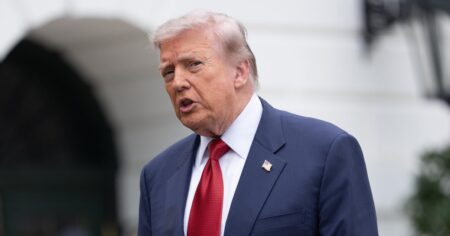
In the world news segment, Sunday Morning turns its attention to one of the most critical geopolitical situations of our time: the escalating conflict with Iran. National correspondent Robert Costa presents a comprehensive examination of how recent American and Israeli military strikes resulted in the death of Ayatollah Ali Khamenei, triggering a cascade of retaliatory attacks across the Middle East region. This latest crisis represents just one chapter in a nearly half-century standoff between Tehran and Washington that has shaped international relations and regional stability. To help viewers understand the complex historical context behind these current events, the program features insights from Robin Wright, a distinguished writer for The New Yorker who specializes in Middle Eastern affairs. Wright provides crucial perspective on Iran’s historical ambitions, its role in regional politics, and the intricate web of alliances and animosities that have defined its relationship with the West. Additionally, David Martin contributes reporting that examines President Trump’s strategic decisions regarding the strikes and what his next moves might be in this volatile situation. The segment offers viewers a thoughtful, nuanced look at a crisis that could have far-reaching implications for global security and diplomatic relations.
The Hidden Art of Framing: A Fresh Perspective on Museum Treasures
In a delightful departure from hard news, correspondent Faith Salie explores an often-overlooked aspect of fine art in a segment titled “Framed.” The Philadelphia Museum of Art is currently hosting an innovative exhibition that shifts focus from the paintings themselves to the elaborate frames that surround them. These decorative borders, often crafted with extraordinary skill and artistry, represent a distinct art form that has been overshadowed by the masterpieces they enclose. Salie speaks with curator Tara Contractor, who explains how frames are not merely functional objects but integral components of how we experience and interpret artwork. The choice of frame can dramatically affect our perception of a painting, influencing everything from its perceived value to its emotional impact. Chris Ferguson, a specialized frame conservator, provides fascinating insights into the meticulous craft of preserving and restoring these often-ancient works of decorative art. Some frames are as old as the paintings they surround, featuring intricate carvings, gilt work, and design elements that reflect the artistic movements and cultural values of their time. The segment illuminates how frames serve as historical artifacts in their own right, offering windows into the aesthetic sensibilities and craftsmanship of past eras while enhancing our appreciation of the art they present.
Television Milestone: NCIS Reaches Its 500th Episode
Luke Burbank takes viewers behind the scenes of one of television’s most enduring phenomena: the CBS procedural drama “NCIS.” Now in its remarkable 23rd season, the series is celebrating its 500th episode, a milestone achieved by very few shows in television history. What makes this accomplishment even more impressive is that “NCIS” has become the world’s most-watched television program, with a global audience that spans continents and cultures. But the story of how a straightforward procedural about Naval Criminal Investigative Service agents became such a massive success is filled with unexpected twists and strategic decisions. Burbank sits down with the current ensemble cast, including Gary Cole, Brian Dietzen, Katrina Law, Sean Murray, Diona Reasonover, and Wilmer Valderrama, who share their perspectives on what makes the show resonate with such a broad audience. Longtime showrunner Steve Binder provides insider insights into the creative philosophy that has kept the series fresh and engaging through more than two decades on air. The secret to the franchise’s longevity appears to be a combination of compelling character development, timely storylines that reflect contemporary concerns, and a fundamental respect for the audience’s intelligence. The 500th episode airs March 24th on CBS and will be available for streaming on Paramount+, marking not just a numerical milestone but a testament to quality storytelling that continues to captivate viewers.
Hunger in America: Confronting an Uncomfortable Reality
Host Lee Cowan tackles one of America’s most persistent and troubling social issues: food insecurity and hunger. Despite being one of the world’s wealthiest nations, the United States faces a hunger crisis that affects nearly 48 million Americans, including almost 14 million children who don’t get enough to eat on any given day. The Trump administration recently discontinued the government’s annual report on food insecurity, characterizing it as nothing more than “fear mongering,” but the reality on the ground tells a different story. Cowan conducts an in-depth interview with Claire Babineaux-Fontenot, the outgoing CEO of Feeding America, the nation’s largest hunger relief organization. Babineaux-Fontenot provides a sobering reality check about the scope and persistence of hunger across the country, explaining how economic pressures, rising food costs, and systemic inequalities contribute to this ongoing crisis. The conversation explores how hunger affects not just physical health but educational outcomes, economic opportunities, and community stability. For many working families, the choice between paying rent, buying medicine, or putting food on the table is a monthly reality. The segment highlights the critical work being done by food banks, community organizations, and volunteers who form the front line in addressing this issue, while also raising questions about policy solutions and the role of government in ensuring food security for all Americans.
Literary Collaborations: Viola Davis and James Patterson Join Forces
In the books segment, correspondent Tracy Smith presents two fascinating literary profiles. First, she explores the unlikely collaboration between Oscar-winning actress Viola Davis and bestselling author James Patterson on their new courtroom thriller “Judge Stone.” Davis, known for creating detailed written biographies of her film characters, has long harbored ambitions of being a published author. Now that childhood dream has been realized through her partnership with Patterson, one of the most commercially successful writers in publishing history. Their novel tackles the controversial and timely issue of abortion through the lens of a legal thriller, combining Davis’s deep understanding of character and emotional truth with Patterson’s mastery of page-turning suspense. The conversation reveals how their different backgrounds and perspectives enriched the writing process and created something neither could have produced alone. In a separate books feature, Jo Ling Kent interviews Lloyd Blankfein, former CEO of Goldman Sachs, about his new memoir “Streetwise.” Blankfein’s life story reads like quintessential American narrative, stretching from the housing projects of New York City to the highest echelons of Wall Street power. Kent probes Blankfein about his unlikely rise through the financial world, the accountability questions surrounding the catastrophic 2007-2008 financial crisis that occurred on his watch, and his assessment of current economic vulnerabilities that could trigger future turmoil. Both interviews offer viewers intimate glimpses into creative and professional journeys that illuminate larger questions about ambition, responsibility, and success.