
U.S. Officials Respond to Reports of Russian Intelligence Sharing with Iran
Growing Concerns Over Russia-Iran Intelligence Cooperation
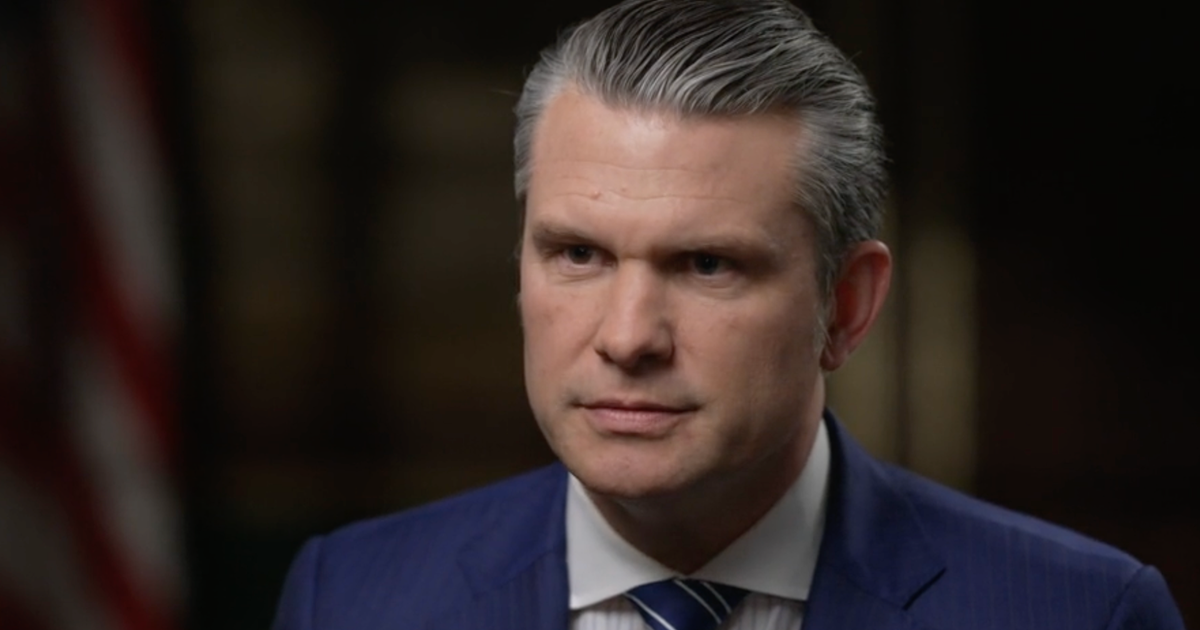
In a significant development that has raised eyebrows in Washington and beyond, Defense Secretary Pete Hegseth has addressed troubling reports suggesting that Russia is sharing sensitive intelligence information with Iran regarding American military positions in the Middle East. Speaking in a comprehensive interview with Major Garrett that aired on the renowned news program “60 Minutes,” Hegseth attempted to reassure the American public while acknowledging the seriousness of the situation. The reports, which emerged from multiple credible sources including senior U.S. officials who spoke with CBS News, indicate that Russia has been providing Iran with critical information about U.S. military movements and positions during the ongoing joint American-Israeli operations in the region. This marks what experts believe to be the first confirmed instance of Russia actively providing intelligence support to Iran, representing a potentially dangerous escalation in the complex geopolitical landscape of the Middle East. The timing of this intelligence sharing is particularly concerning given the intensified military operations currently underway, raising questions about the safety of American personnel and the effectiveness of ongoing strategic operations in the region.
Administration’s Response and Assurances
Defense Secretary Hegseth struck a confident tone when addressing these concerning revelations, emphasizing that President Trump maintains comprehensive awareness of all international communications and potential security threats. “The American people can rest assured their commander-in-chief is well aware of who’s talking to who,” Hegseth stated firmly during the interview, projecting an image of control and vigilance. He went further to explain that the U.S. military and intelligence apparatus is “tracking everything” related to these international communications and carefully incorporating this information into American battle plans and strategic calculations. The Defense Secretary emphasized that any inappropriate communications or intelligence sharing, whether conducted openly or through secretive back-channels, is being “confronted and confronted strongly” by the Trump administration. This assertive language appears designed to reassure both the American public and U.S. allies that the administration is not caught off-guard by Russian actions and is prepared to respond decisively. Hegseth’s comments reflect the administration’s broader messaging strategy of projecting strength and competence in the face of international challenges, while also suggesting that traditional diplomatic and intelligence channels remain active and effective in monitoring potential threats to American interests and personnel operating in volatile regions.
Trump’s Diplomatic Approach and Unique Relationships
When pressed on whether Americans could expect direct conversations between the Trump administration and Russian leadership to halt Moscow’s involvement in sharing intelligence with Iran, Hegseth highlighted what he characterized as President Trump’s distinctive approach to international diplomacy. The Defense Secretary emphasized that Trump “has a unique relationship with a lot of world leaders where he can get things done that other presidents, certainly Joe Biden, never could have.” This statement reflects the administration’s ongoing narrative that Trump’s personal diplomatic style and established relationships with foreign leaders provide unique advantages in navigating complex international crises. Hegseth elaborated that messages to foreign governments, including Russia, can be delivered through various channels—whether through direct one-on-one conversations between Trump and other world leaders or through official Cabinet-level diplomatic communications. This flexibility in communication, according to Hegseth, provides the administration with multiple pathways to address concerns and apply pressure when necessary. The emphasis on Trump’s personal relationships with world leaders has been a consistent theme throughout his political career, with the former and current president often touting his ability to negotiate and communicate with figures that other American leaders might find challenging to engage with effectively, including Russian President Vladimir Putin.
Dismissing Concerns About Personnel Safety
In a particularly bold statement that underscores the administration’s aggressive posture toward Iran, Defense Secretary Hegseth dismissed concerns about whether Russian intelligence sharing might endanger American military personnel operating in the Middle East. When directly asked about potential risks to U.S. forces, Hegseth responded with striking confidence: “We’re putting the other guys in danger, and that’s our job. So we’re not concerned about that.” This statement reflects the administration’s view that American military superiority and operational effectiveness outweigh any advantages that Iranian forces might gain from Russian intelligence support. Hegseth went even further with a stark warning directed at Iranian leadership and military forces: “But the only ones that need to be worried right now are Iranians that think they’re gonna live.” This extraordinarily blunt language represents some of the most aggressive rhetoric directed at Iran by a senior U.S. official in recent memory, signaling the administration’s unwavering commitment to its military operations regardless of Russian involvement. The comments also reflect a broader strategic messaging effort designed to project overwhelming American military dominance and to psychologically impact Iranian decision-makers by emphasizing the futility of resistance. Such language, while potentially effective as a deterrent, also raises questions about the potential for escalation and the long-term diplomatic implications of such confrontational public statements.
White House Communications and Clarifications
White House Press Secretary Karoline Leavitt added another dimension to the administration’s response when she addressed the intelligence-sharing reports during an appearance on Fox News. Initially, Leavitt stated that she could not comment on “intelligence reports that are leaked to the press,” a standard protocol for protecting classified information and operational security. However, she then offered a revealing assessment of the situation’s significance, stating: “Whether or not this happened, frankly, it doesn’t really matter, because President Trump and the United States military are absolutely decimating the rogue Iranian terrorist regime.” This comment sparked immediate attention and required subsequent clarification, highlighting the challenges of messaging around sensitive national security issues. The intelligence sharing between Russia and Iran was first reported by The Washington Post, one of the nation’s most respected newspapers with extensive national security sources, lending credibility to the initial reports. Recognizing that her initial statement might be interpreted as dismissing a serious security concern, Leavitt later clarified her remarks to reporters, explaining that what she meant was that Russia sharing intelligence about U.S. assets with Iran “doesn’t matter” specifically because “it clearly is not making a difference with respect to the military operations in Iran, because we are completely decimating them.” This clarification emphasized the administration’s confidence in American military effectiveness rather than suggesting indifference to Russian intelligence activities, though the initial phrasing had created momentary confusion about the administration’s position on what many security experts consider a significant development in the regional conflict.
Broader Strategic Implications and Ongoing Operations
The revelation of Russian intelligence support for Iran carries profound implications for the broader geopolitical landscape and raises important questions about the evolving relationships between major powers and regional actors. The fact that Russia would actively provide intelligence to Iran regarding U.S. military positions represents a significant departure from previous Russian behavior and suggests a deepening of the Moscow-Tehran partnership that could reshape regional dynamics for years to come. This development occurs against the backdrop of intensive joint U.S.-Israeli military operations in Iran, operations that the administration characterizes as highly successful and devastating to Iranian capabilities. The willingness of administration officials to speak so confidently about these operations, despite the apparent Russian intelligence support for Iran, suggests either remarkable confidence in American military superiority or a calculated messaging strategy designed to maintain public support and allied confidence. As viewers tune in to watch the complete interview with Defense Secretary Hegseth on “60 Minutes,” they will likely gain additional insights into the administration’s thinking on these critical national security matters. The situation continues to evolve rapidly, with intelligence agencies monitoring Russian-Iranian communications, military planners adjusting operations to account for potential intelligence compromises, and diplomatic channels working to address the concerning cooperation between Moscow and Tehran. For American military personnel serving in the region and their families back home, the administration’s confident messaging offers reassurance, though the underlying reality of great power competition intersecting with regional conflicts presents genuine challenges that will require sustained attention, careful strategic planning, and potentially difficult diplomatic negotiations in the months ahead.