
Oil Prices Soar as Middle East Tensions Threaten Global Supply
Rising Crude Costs Reflect Growing Supply Concerns
The global oil market experienced significant turbulence this past Friday as prices climbed sharply in response to escalating concerns about potential disruptions to the world’s crude supply. The conflict involving Iran has sent shockwaves through energy markets, with West Texas Intermediate (WTI), the primary oil benchmark used in the United States, rising by an impressive 6.8% to reach $86.57 per barrel during Friday morning trading. Meanwhile, Brent crude, which serves as the international pricing standard, wasn’t far behind, jumping 4.7% to settle at $89.44 per barrel. These price levels represent the highest the market has seen since April of last year, signaling serious anxiety among traders and energy analysts about what lies ahead for global oil supplies.
What makes this situation particularly concerning is the strategic importance of the Strait of Hormuz, a narrow waterway that has become a focal point in the current crisis. Under normal circumstances, roughly 20% of the world’s oil shipments pass through this critical chokepoint, making it one of the most vital arteries for global energy distribution. However, the ongoing conflict has brought shipping through the strait to a near standstill, with vessel traffic dropping from approximately 138 ships every 24 hours to what international maritime authorities describe as “single-digit levels” in recent days. This dramatic reduction in traffic represents not just a theoretical risk but a real, tangible disruption to the flow of energy resources that power economies around the world.
From Theoretical Risk to Actual Disruption
Financial analysts at JPMorgan captured the changing nature of the crisis in their Friday report, noting that “the market is shifting from pricing pure geopolitical risk to grappling with tangible operational disruption.” What this means in practical terms is that oil traders are no longer just worried about what might happen—they’re reacting to actual events unfolding on the ground. Refinery shutdowns and export constraints are now actively impairing crude processing and disrupting regional supply flows, transforming abstract concerns into concrete realities that affect the daily operations of the global energy industry.
The situation could potentially worsen significantly if recent warnings from regional officials come to fruition. According to reporting by the Financial Times, Qatar’s energy minister has suggested that all Gulf energy exporters might shut down production within a matter of days. Such a scenario could be catastrophic for global oil markets, potentially driving Brent crude prices to an eye-watering $150 per barrel. The market responded swiftly to this news, with WTI crude briefly surpassing $86 for the first time since April 2024. When you step back and look at the broader trajectory, the numbers are staggering: WTI crude has surged nearly 30% since the conflict began and has rocketed more than 55% from its low point in January. These aren’t just statistics—they represent fundamental changes to the cost structure of one of the world’s most essential commodities.
American Consumers Feel the Pinch at the Pump
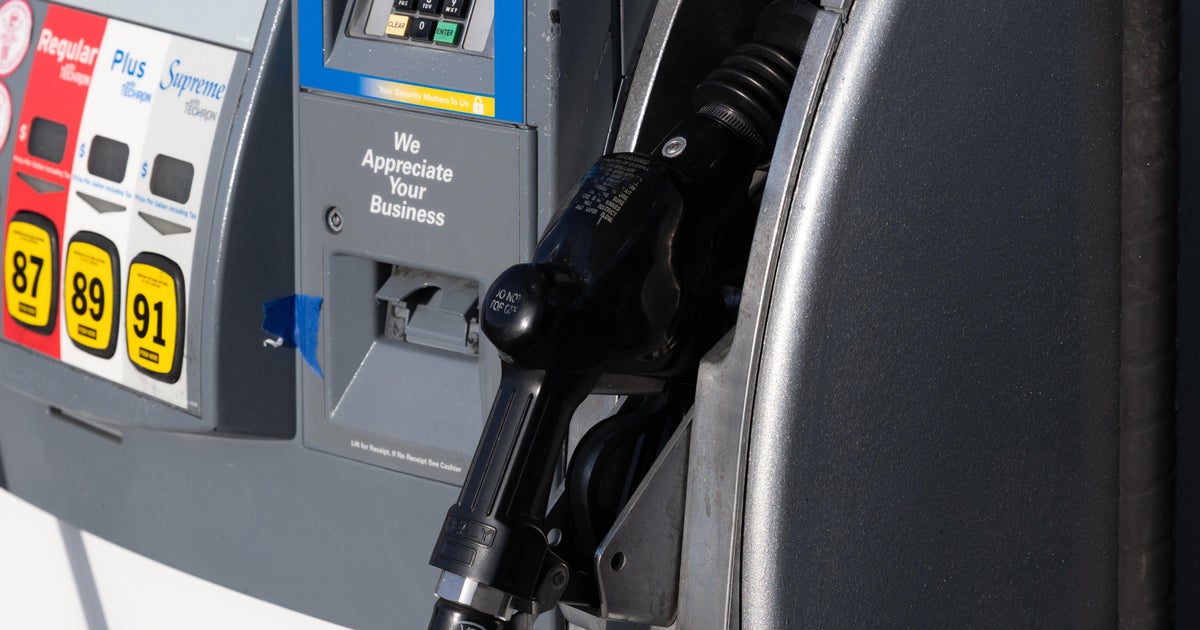
For Americans going about their daily lives, the impact of these distant geopolitical events is becoming painfully obvious every time they pull into a gas station. The dramatic spike in crude oil prices has translated directly into sharply higher fuel costs across the United States. As of Friday, the national average price for a gallon of regular gasoline had jumped by 32 cents over just seven days, reaching approximately $3.31 per gallon. This represents the highest gas prices Americans have faced since August of last year, and the speed of the increase is particularly alarming for household budgets already stretched by inflationary pressures.
The situation is even more severe for diesel fuel, which plays a crucial role in the American economy by powering commercial trucks, farm equipment, and industrial machinery. Diesel prices have soared by 51 cents in a single week, reaching $4.26 per gallon—the highest level since November 2023. Patrick De Haan, a petroleum analyst with GasBuddy, painted a grim picture for consumers in his social media commentary, warning that “the continued de facto shutdown of the Strait of Hormuz, unfortunately, price increases look to continue into this weekend at this pace.” For families planning road trips, small businesses operating delivery vehicles, or farmers preparing for the planting season, these rapid price increases represent a significant and unwelcome financial burden.
The Ripple Effects Throughout the Economy
The implications of rising oil prices extend far beyond just the cost of filling up your tank. Energy costs permeate virtually every aspect of modern economic life, affecting everything from the price of groceries (which must be transported to stores) to the cost of manufacturing goods (which require energy for production). When oil prices rise this dramatically and this quickly, it creates a ripple effect throughout the entire economy. Transportation companies face higher operating costs, which they typically pass along to customers through surcharges. Airlines see their fuel bills balloon, potentially leading to higher ticket prices. Even products that seem unrelated to petroleum, like plastics and chemicals, often derive from oil-based inputs and thus become more expensive when crude prices surge.
For policymakers and central bankers, the timing of this oil price shock presents particular challenges. Many economies are still navigating the complexities of post-pandemic recovery while trying to manage inflation that has proven more persistent than initially expected. A sustained increase in energy prices could reignite broader inflationary pressures just as many countries were beginning to see progress in bringing price increases under control. This puts central banks in a difficult position, potentially forcing them to maintain higher interest rates for longer than they might have otherwise planned, which could slow economic growth and affect employment.
Looking Ahead: Uncertainty and Market Volatility
As the situation in the Middle East continues to evolve, the oil market faces a period of significant uncertainty and likely continued volatility. The fundamental question facing traders, analysts, and policymakers is whether this disruption will be temporary or represent a more sustained shift in global oil supply dynamics. If diplomatic efforts succeed in de-escalating tensions and reopening the Strait of Hormuz to normal shipping traffic, prices could retreat relatively quickly. However, if the conflict intensifies or expands, or if Gulf producers do indeed shut down production as some officials have suggested, the world could be facing a prolonged period of elevated oil prices with far-reaching economic consequences.
The current crisis serves as a stark reminder of just how dependent the global economy remains on a steady, affordable supply of petroleum products, and how vulnerable that supply is to geopolitical instability in key producing regions. For consumers watching gas prices climb day by day, for businesses trying to manage their energy costs, and for governments working to maintain economic stability, the situation underscores the interconnected nature of modern global markets and the speed with which events in one part of the world can affect daily life everywhere else. As we move forward, all eyes will remain on the Middle East, the Strait of Hormuz, and the oil markets, watching for any signs of either escalation or resolution in a crisis that’s already reshaping the global energy landscape.