


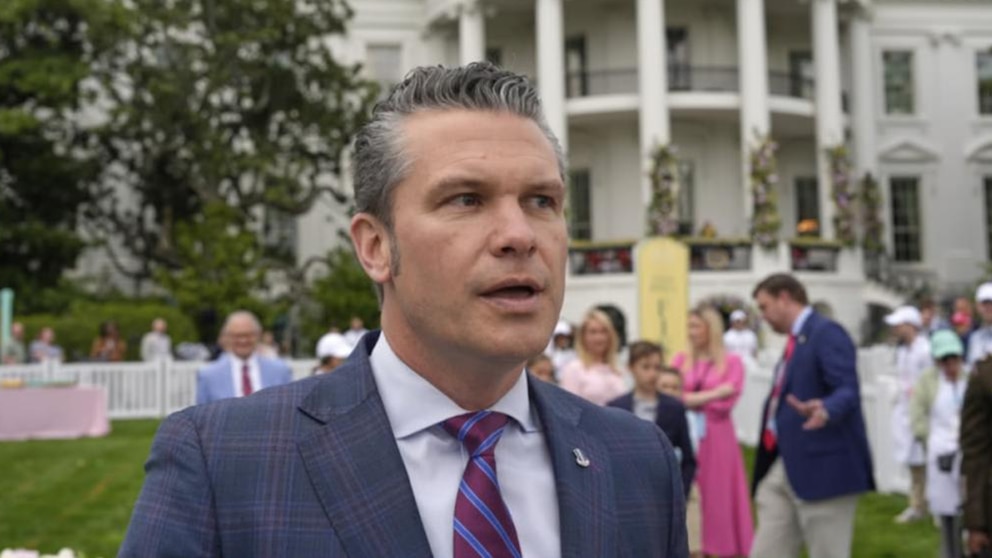

Pete Hegseth Stands His Ground: The Signal Scandal Shaking the Pentagon
A Defense Secretary Under Fire
Pete Hegseth, the current U.S. Secretary of Defense, finds himself at the center of a political firestorm that refuses to die down. As of April 2025, calls for his resignation have grown louder following explosive allegations that he shared highly classified military information through the Signal messaging app. The controversy centers around accusations that Hegseth disclosed sensitive details about American airstrike operations targeting Houthi militants in Yemen through a group chat—a breach that could potentially compromise national security and put American lives at risk. Despite mounting pressure from lawmakers, former military officials, and national security experts, Hegseth has remained defiant, categorically denying that he shared any classified war plans in what has been identified as a second Signal group chat. This scandal has not only raised serious questions about the handling of classified information at the highest levels of government but has also thrust the relatively new defense secretary into the most challenging moment of his brief tenure at the Pentagon.
The allegations come at a particularly sensitive time, as the United States continues to navigate complex military operations in the Middle East, including ongoing efforts to counter Houthi aggression in the Red Sea region. The Houthis, an Iran-backed militant group based in Yemen, have been launching attacks on commercial shipping and threatening international maritime routes, prompting military responses from the U.S. and its allies. Any leak of operational details regarding strikes against these militants could theoretically give them advance warning of future operations, allow them to adjust their defensive positions, or compromise the safety of American service members and allied forces involved in these missions. The sensitivity of this information makes the allegations against Hegseth particularly serious, regardless of whether they prove to be accurate or not.
The Details of the Controversy
What makes this scandal particularly troubling for Hegseth is that this isn’t the first time his use of Signal has come under scrutiny. The reference to a “second group chat” suggests that there were previous concerns about his communication practices, potentially establishing a pattern of behavior that critics argue demonstrates either recklessness with classified information or a fundamental misunderstanding of the protocols that govern how defense secretaries must handle sensitive material. Signal, while known for its encryption and privacy features that make it popular among those concerned about digital security, is not an approved platform for discussing classified government information. The U.S. government has specific, highly secure communication systems designed precisely for the transmission of classified material, and using consumer-grade apps—no matter how secure—violates established protocols that exist to protect national security.
According to sources familiar with the matter, the group chat in question allegedly included discussions about the timing, targets, and strategic objectives of U.S. airstrikes against Houthi positions in Yemen. If true, this would represent a serious breach of operational security, as such information is typically classified at high levels and shared only on a strict need-to-know basis through secure channels. The fact that this information allegedly appeared in a group chat—meaning multiple individuals had access to it—compounds the potential security implications. Investigators are reportedly trying to determine who else had access to this chat, whether any of those individuals had the appropriate security clearances, and whether the information could have been intercepted or accessed by foreign intelligence services despite Signal’s encryption.
Hegseth’s Defense and Political Fallout
Secretary Hegseth has not taken these allegations lying down. In statements to the press and in communications with congressional oversight committees, he has firmly denied sharing any classified war plans through Signal or any other unauthorized communication platform. His defenders argue that he is the victim of political attacks designed to undermine his leadership at the Pentagon and that the allegations are either completely fabricated or represent a serious mischaracterization of innocent communications. They point out that Hegseth, as a combat veteran who served in Iraq and Afghanistan, understands the importance of operational security and would never knowingly do anything to endanger American troops or compromise military operations.
However, Hegseth’s critics are not convinced by these denials. Democrats in Congress have been particularly vocal in calling for his resignation, with several members of the Senate Armed Services Committee demanding a full investigation into his communication practices. Some Republicans, too, have expressed concern, though many have been more measured in their criticism, calling for the facts to be established before rushing to judgment. Former military officials and national security experts have weighed in across the political spectrum, with many expressing alarm at the allegations regardless of their political leanings. The concern among these experts is less about partisan politics and more about the potential precedent being set—if a defense secretary can casually discuss military operations on consumer messaging apps without consequences, it could encourage similar behavior throughout the chain of command, potentially creating numerous vulnerabilities in how classified information is handled.
The political implications extend beyond just Hegseth’s future. This scandal has become another flashpoint in ongoing debates about accountability in government, the proper handling of classified information, and whether different standards apply to different officials. Critics have drawn comparisons to other recent scandals involving classified documents and unauthorized communications, arguing that if lower-ranking officials or political opponents faced consequences for similar actions, Hegseth should as well. His supporters counter that he’s being held to an unfair standard and that the rush to judgment reflects political bias rather than genuine concern about national security.
The Broader Implications for National Security
Beyond the immediate political drama surrounding Secretary Hegseth, this controversy highlights deeper concerns about how classified information is managed in an era of instant digital communication. The traditional systems for handling classified material were designed for an earlier technological age, and while they’ve been updated over the years, there remains a fundamental tension between the convenience and speed of modern communication tools and the security requirements necessary to protect sensitive information. Officials at all levels of government, particularly younger ones who grew up with smartphones and messaging apps as their primary means of communication, may sometimes struggle with the restrictions imposed by secure communication protocols, which can be cumbersome and slow compared to simply sending a quick message on Signal, WhatsApp, or other platforms.
This cultural and technological challenge doesn’t excuse potential violations, but it does help explain how they might occur even among officials who should know better. The Pentagon and other government agencies have invested heavily in training programs designed to reinforce proper handling of classified information, but as this scandal illustrates, there may be gaps in compliance even at the highest levels. If a cabinet secretary can allegedly fall into this trap, it raises questions about how many other officials throughout the government might be taking similar shortcuts, potentially creating a swiss cheese of vulnerabilities that foreign intelligence services could exploit. China, Russia, Iran, and other adversaries have sophisticated signals intelligence capabilities and are constantly probing for exactly these kinds of security lapses.
The specific context of Yemen operations adds another layer of concern. The Houthis, while not as technologically sophisticated as major nation-state actors, are supported by Iran, which has considerable intelligence capabilities and a strong interest in knowing about U.S. military operations in the region. Any information that leaked about American strike plans could potentially make its way to Iranian intelligence services, who could then use it to help the Houthis prepare or to adjust their own strategic calculations in the region. Moreover, the broader pattern of U.S. operations against the Houthis involves coordination with regional allies, including Saudi Arabia and the United Arab Emirates. If these allies cannot trust that their American partners will maintain operational security, it could damage these crucial relationships and make future cooperation more difficult. The ripple effects of a single communication security breach can extend far beyond the immediate operational implications.
What Happens Next
As this scandal continues to unfold, several investigative processes are likely to move forward simultaneously. The Department of Defense Inspector General’s office will probably conduct an internal investigation to determine exactly what was communicated, through what channels, and whether any classified information was actually compromised. Congressional oversight committees in both the House and Senate have the authority to demand testimony from Secretary Hegseth and others involved, to review relevant communications (with appropriate security measures), and to make recommendations about any consequences or reforms that should follow. Depending on what these investigations uncover, outcomes could range from complete exoneration of Hegseth to formal censure, forced resignation, or even potential legal consequences if laws governing the handling of classified information were violated.
The political calculus around Hegseth’s future is complicated. If he retains the confidence of the President, he may be able to weather this storm regardless of congressional pressure, particularly if his party controls the Senate and is unwilling to take action against him. However, if the scandal continues to generate negative headlines and becomes a persistent distraction from the Pentagon’s mission, the political cost of keeping him in place may eventually outweigh the cost of replacing him. Cabinet officials serve at the pleasure of the President, and while loyalty is valued, it rarely extends to officials who become more of a liability than an asset. Hegseth’s ability to remain effective in his role may be compromised if military leaders, allied governments, or members of Congress lose confidence in his judgment or his commitment to proper security protocols.
For now, Secretary Hegseth appears determined to fight for his position, betting that he can outlast the controversy by denying the allegations and framing himself as the victim of political persecution. Whether this strategy succeeds will depend largely on what the various investigations uncover and whether any concrete evidence emerges to either support or refute the allegations. In the meantime, the scandal serves as a stark reminder that in the digital age, even the most secure and sensitive government operations can be potentially compromised by something as simple as an improperly used smartphone app—and that the officials entrusted with our national security must be held to the highest standards of accountability, regardless of their position or political connections.