
Government Shutdown Creates Crisis at Airport Security Checkpoints Nationwide
TSA Workforce Exodus and Surging Absence Rates Threaten Aviation Security
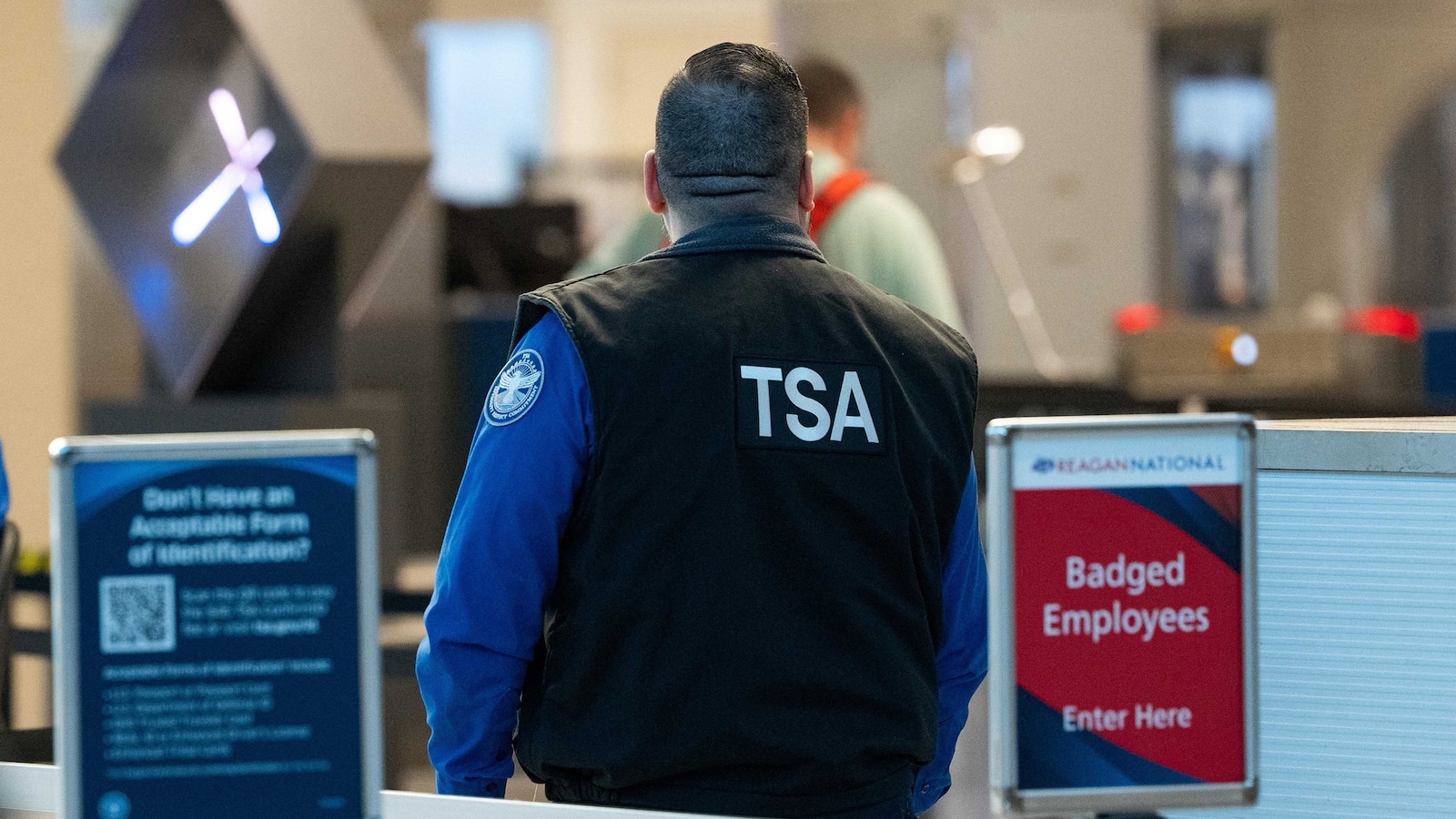
The partial government shutdown that commenced on February 14 has triggered a staffing crisis within the Transportation Security Administration that threatens to disrupt air travel across the United States. According to internal TSA statistics obtained by news organizations, the agency is experiencing unprecedented challenges as unscheduled absences and callouts have more than doubled nationwide compared to normal operations. Even more concerning is the exodus of personnel from the agency, with over 300 TSA officers choosing to leave their positions since the shutdown began. These departures have raised alarm bells among Department of Homeland Security officials, who fear that an extended shutdown could trigger an even larger wave of resignations as federal workers struggle with financial pressures. The situation represents a perfect storm of workforce instability at a critical time when aviation security remains a top national priority, leaving both travelers and security officials grappling with the consequences of the political impasse in Washington.
Financial Hardship Drives Security Personnel to Breaking Point
The human cost of the government shutdown has become painfully clear for approximately 60,000 TSA employees who have endured nearly a month of reduced compensation. This week marks a particularly difficult milestone as these dedicated security professionals receive their first completely empty paycheck since the shutdown began. For workers already living paycheck to paycheck, this financial blow has proven devastating, forcing impossible choices between paying mortgages, buying groceries, and covering basic living expenses. The callout rate, which typically hovers around a manageable 2% under normal circumstances, has skyrocketed to 6.16% during the shutdown—more than triple the usual rate. This dramatic increase reflects the mounting desperation among TSA officers, many of whom are seeking temporary employment elsewhere or simply cannot afford the transportation costs to get to work without pay. The situation has created a vicious cycle where financial stress leads to absences, which in turn increases the burden on remaining staff members, potentially driving even more workers to call out or resign from their positions permanently.
Major Airports Bear the Brunt of Staffing Shortages
The impact of the TSA staffing crisis has been felt most acutely at major transportation hubs across the country, where passenger volume amplifies any operational disruptions. New York’s John F. Kennedy International Airport has emerged as the hardest-hit facility, recording an astonishing average callout rate of approximately 21% throughout the shutdown period—more than ten times the normal rate. Atlanta’s Hartsfield-Jackson International Airport and Houston’s Hobby Airport have also experienced significant disruptions, with callout rates hovering around 19% and 18% respectively. The crisis intensified during a massive blizzard on February 23, when weather conditions compounded the existing staffing problems at northeastern airports. On that single day, more than 76% of TSA officers at JFK called out, while Newark Liberty International Airport in New Jersey saw 53% of its security personnel absent. Other major facilities including Louis Armstrong New Orleans International Airport, Pittsburgh International Airport, and San Diego International Airport have all recorded callout rates substantially higher than normal operations, creating a nationwide pattern of disruption that has fundamentally altered the airport experience for millions of travelers.
Passengers Face Unprecedented Security Delays and Uncertainty
The staffing shortages have translated directly into frustration and inconvenience for airline passengers navigating airports across the country. Security screening wait times have become wildly unpredictable, fluctuating dramatically based on staffing levels at any given moment. Travelers have reported wait times ranging from a somewhat tolerable 20-30 minutes at best to an agonizing two hours or more at peak times or severely understaffed checkpoints. The uncertainty has forced airlines and airport authorities to issue advisories urging passengers to arrive significantly earlier than usual to ensure adequate time for security screening, effectively adding hours to already stressful travel days. The situation has created anxiety-inducing scenarios where travelers must balance the risk of missing flights against the inconvenience of spending excessive time in airports. Business travelers have found their carefully planned schedules thrown into chaos, while families traveling with children or elderly relatives have faced particularly difficult circumstances. The travel turmoil has rippled through the entire aviation ecosystem, affecting not just passengers but also airlines struggling to maintain on-time performance when significant portions of their customer base cannot reliably pass through security checkpoints in predictable timeframes.
Small Steps Toward Relief as Additional Challenges Loom
Amid the ongoing crisis, travelers received a small piece of positive news when the Department of Homeland Security reactivated the Global Entry program on Wednesday morning after temporarily suspending it last month. The fee-based Trusted Traveler program, which provides expedited clearance for pre-approved travelers entering the United States, had been shuttered as DHS reassigned personnel to assist with the broader security screening backlog. The reactivation offers some relief for the subset of travelers who have invested in these expedited services, though it does little to address the fundamental staffing crisis affecting the vast majority of passengers. DHS released a statement acknowledging the situation, noting that the agency is “working hard to alleviate the disruptions” caused by the shutdown. However, the path forward remains unclear as long as the political standoff in Washington continues, leaving TSA officers without pay and airports struggling to maintain adequate security staffing levels.
Fuel Prices Add Another Layer of Travel Uncertainty
As if the security screening crisis weren’t enough, airline passengers face another potential financial blow as rising jet fuel prices threaten to drive up airfare costs, particularly ahead of the busy summer travel season. The ongoing conflict in the Middle East has contributed to volatility in global energy markets, with jet fuel prices climbing steadily in recent weeks. According to travel expert Julian Kheel, the impact on consumers could be swift and significant because most airlines have moved away from fuel hedging strategies over the past decade. “In the past, airlines used fuel hedges in order to maintain a consistent price of fuel,” Kheel explained. “However, in the last decade, most of them have moved away from that because they ended up suffering financial losses as a result. That means when the price of jet fuel goes up, it’s felt almost immediately by passengers looking at airfares.” This one-two punch of extended security delays and potentially higher ticket prices creates a perfect storm for travelers, who may find both the cost and convenience of air travel substantially degraded compared to pre-shutdown conditions. The confluence of these factors raises serious questions about the resilience of the nation’s aviation infrastructure in the face of political dysfunction and global instability.