


Saks Global’s Major Retail Restructuring: What It Means for Luxury Shopping
A Dramatic Shift in Strategy
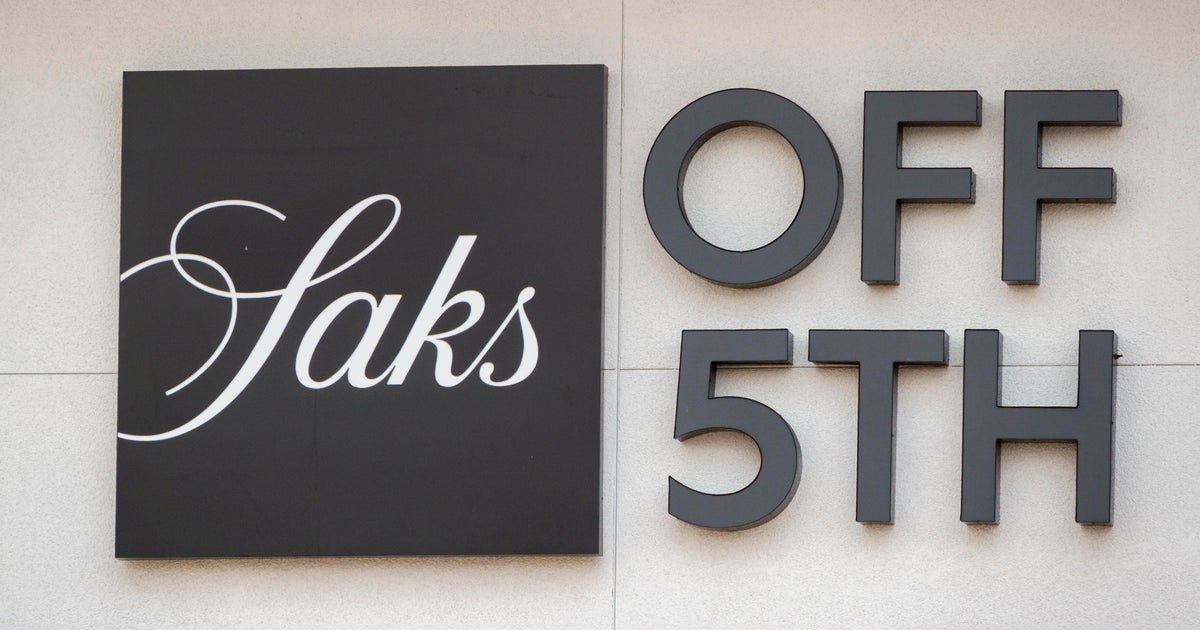
In a move that signals a seismic shift in America’s luxury retail landscape, Saks Global has announced plans to close nearly all of its Saks Off 5th outlet stores as part of a comprehensive restructuring strategy. The bankrupt retailer revealed on Thursday that it will shutter 58 of its 70 Saks Off 5th locations, leaving only a dozen stores operational. This dramatic downsizing represents more than just a cost-cutting measure—it’s a fundamental reimagining of the company’s business model and customer focus. The remaining 12 outlets won’t continue operating as traditional discount stores either. Instead, they’ll serve a more limited purpose as clearance centers for leftover merchandise from the company’s flagship luxury brands: Saks Fifth Avenue, Neiman Marcus, and Bergdorf Goodman. This strategic pivot clearly demonstrates Saks Global’s intention to distance itself from the outlet business model and refocus its energy on catering exclusively to wealthy, full-price paying customers.
Understanding the Financial Pressures Behind the Decision
The decision to close these stores doesn’t come in isolation—it’s part of Saks Global’s Chapter 11 bankruptcy proceedings, which the company filed earlier this month. Like many traditional brick-and-mortar retailers, Saks has found itself caught between multiple financial pressures that have made survival increasingly difficult. CEO Geoffroy van Raemdonck addressed the closures directly, explaining that “as we advance on Saks Global’s transformation, we are taking decisive steps to realign our business to better serve our luxury customers and drive full-price selling across our core luxury businesses.” This statement reveals the company’s clear intention: to move away from discount retail and focus entirely on the high-end market segment. The financial strain on Saks Global has been particularly acute following its $2.65 billion acquisition of rival luxury retailer Neiman Marcus in 2024—a purchase that saddled the company with significant debt just as the retail environment became increasingly challenging.
The Immediate Impact: Liquidation Sales and Store Closures
For bargain hunters and regular Saks Off 5th shoppers, the immediate future brings one last opportunity for deep discounts. Starting Saturday, going-out-of-business sales will begin at selected Saks Off 5th locations, pending bankruptcy court approval. The company has already launched liquidation sales online, with Saksoff5th.com advertising discounts of up to 85% off merchandise as of Friday. These dramatic markdowns reflect the urgency with which the company needs to clear inventory and generate cash during the bankruptcy process. The restructuring extends beyond just Saks Off 5th stores. Saks Global also announced it will close the remaining five Last Call stores, which have served as discount outlets for Neiman Marcus merchandise. In a significant digital move, the company plans to completely wind down Saksoff5th.com, which operates as a separate legal entity from Saks Global. This means the company will no longer purchase merchandise specifically for its outlet operations—a fundamental departure from its previous business strategy that had involved buying lower-priced goods specifically designed for the off-price market.
The Historical Context: How Saks Got Here
To understand the current crisis, it’s helpful to look at Saks’s journey over the past century. The company opened its first store in New York City in 1924, establishing itself as a destination for luxury goods and high-end fashion. For decades, Saks Fifth Avenue was synonymous with upscale shopping, attracting wealthy customers and maintaining a prestigious brand image. The company experienced rapid expansion between the 1970s and 1990s, opening locations across the United States and building a nationwide presence. However, the company’s ownership changed hands in 2013 when Hudson’s Bay purchased it, and this marked the beginning of a more turbulent period. Like many traditional department stores, Saks found itself struggling to adapt to changing consumer habits, particularly the massive shift toward online shopping. The rise of e-commerce giants like Amazon, along with digitally native luxury retailers, began eating away at the traditional department store model that had sustained Saks for generations.
The Broader Retail Apocalypse
Saks Global’s struggles reflect a much larger crisis affecting American retail. According to retail industry analytics firm Coresight Research, more than 8,100 stores closed across the United States in 2025, representing an approximately 12% increase from the previous year. This “retail apocalypse,” as it’s often called, has hit traditional department stores particularly hard. Consumers increasingly prefer the convenience of online shopping, the personalized experience of boutique stores, or the value proposition of fast-fashion retailers. The middle ground—where traditional department stores have historically operated—has become increasingly difficult to defend. For luxury retailers specifically, the challenge is even more nuanced. While wealthy consumers continue spending on high-end goods, they’re increasingly doing so through brand-specific boutiques, online platforms, or exclusive personal shopping experiences rather than traditional department stores. The outlet store model, which Saks Off 5th represented, faces its own unique challenges. Originally conceived as a way to move excess inventory while maintaining the prestige of the main brand, outlet stores have proliferated to the point where they often operate as separate businesses with their own specially manufactured goods—a practice that can dilute brand value and confuse consumers about what “luxury” actually means.
What This Means for the Future of Luxury Retail
Saks Global’s decision to essentially exit the outlet business and refocus on “full-price selling” represents a bet on a particular vision of luxury retail’s future. By maintaining only a minimal outlet presence—solely for clearing excess inventory from its main brands—the company is signaling that it believes the future lies in serving high-income customers willing to pay premium prices, rather than trying to capture bargain-hunting shoppers. This strategy acknowledges a harsh reality: competing on price in today’s retail environment is extraordinarily difficult, especially for a company carrying the overhead costs of physical stores and the debt burden of recent acquisitions. Instead, Saks appears to be calculating that its best chance for survival lies in emphasizing exclusivity, luxury, and the full-price retail experience that has historically defined brands like Saks Fifth Avenue, Neiman Marcus, and Bergdorf Goodman. Whether this strategy will succeed remains to be seen. The company must navigate its bankruptcy proceedings, manage its debt, and prove that enough wealthy consumers still value the traditional luxury department store experience to support its remaining operations. For the thousands of employees who work at the closing stores, and for the communities that have relied on these retail locations, the transition will undoubtedly be difficult. But in an industry experiencing unprecedented disruption, Saks Global’s leadership clearly believes that a smaller, more focused luxury business offers better prospects than trying to serve all segments of the market. As American retail continues its painful transformation, Saks’s restructuring offers a preview of how legacy brands are being forced to make difficult choices about their identity, their customers, and their future.