
Historic Preservation Group Challenges Trump’s White House Ballroom Project
A Battle Over Presidential Authority and Historic Preservation
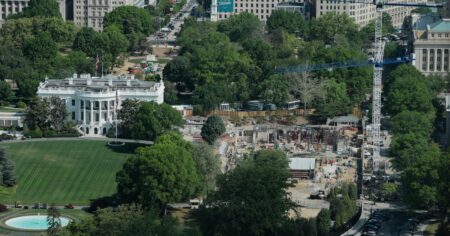
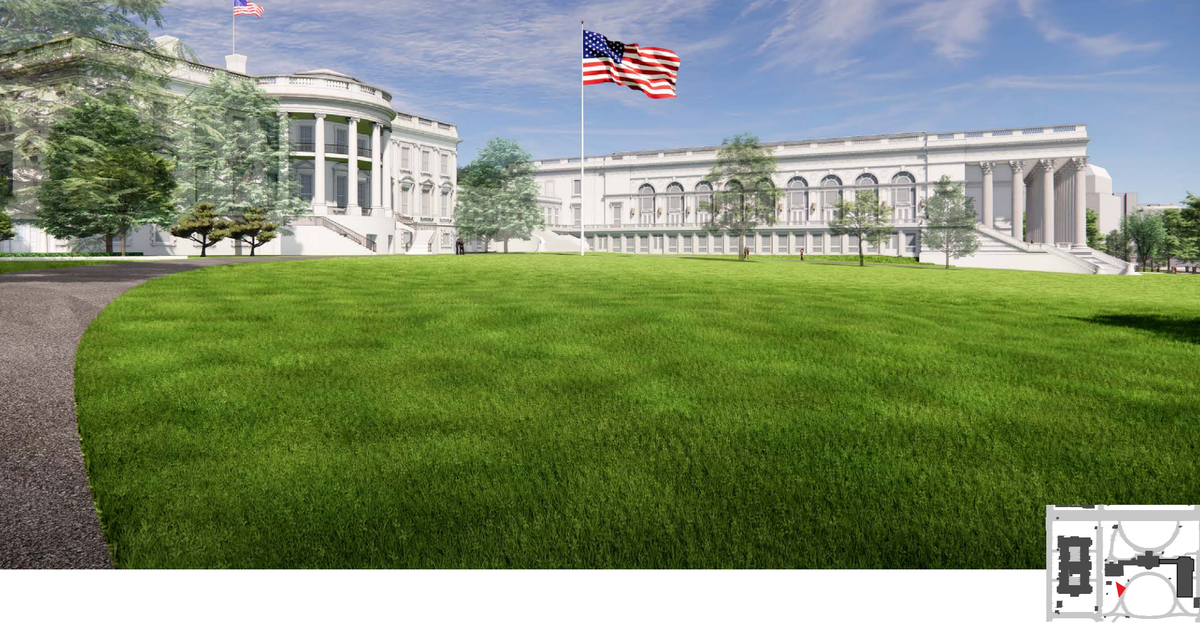
The National Trust for Historic Preservation has returned to federal court with renewed determination to stop what they describe as an unprecedented construction project on the White House grounds. At the heart of this legal battle is President Trump’s ambitious plan to build a massive 90,000-square-foot ballroom, a project that has sparked intense debate about presidential authority, historic preservation, and the appropriate use of America’s most iconic residence. The preservation group’s latest filing represents a strategic shift in their legal approach, focusing specifically on whether the president has the legal right to undertake such a massive construction project without explicit approval from Congress. This isn’t just a disagreement about architecture or aesthetics—it’s a fundamental question about the limits of executive power and who gets to decide how one of America’s most treasured historic sites can be modified.
The Legal Arguments and Congressional Authority
The crux of the preservation group’s argument centers on a federal law that allows presidents to spend money on alterations and improvements to the White House. However, the National Trust contends that this law was never intended to authorize projects of this magnitude, especially when funded through private donations rather than congressional appropriations. They argue that the language of the law suggests it applies only to relatively minor modifications—the kind of routine updates and maintenance that any historic building might require—not a ballroom that would dwarf the existing White House structure. This distinction matters enormously because it touches on the constitutional principle of checks and balances. The preservation group believes that a project of this scale, which would fundamentally alter the character and layout of the White House grounds, should require congressional oversight and approval. Their Thursday filing emphasized that the administration is preparing to begin above-ground construction within the next month, construction that they warn will “irreversibly damage the Executive Residence, and distort the grounds and layout of President’s Park—all without Congressional approval, and all without meaningful consideration of the public’s input.”
A Second Chance in Court
The National Trust’s renewed legal effort comes after an initial setback last month when U.S. District Judge Richard Leon denied their first request to halt the project. However, the judge’s ruling wasn’t entirely discouraging for the preservation advocates. In fact, Judge Leon offered what amounts to a legal roadmap, suggesting that the group had focused on the wrong legal arguments in their initial challenge. While their first attempt emphasized that the president lacked constitutional authority and that the administration hadn’t completed necessary environmental and historic reviews, the judge indicated these weren’t the strongest grounds for their case. Instead, he explicitly suggested they should concentrate their legal challenge on whether the ballroom project exceeds the president’s statutory authority—essentially, whether existing laws actually give the president the power to do this. Judge Leon went so far as to promise that if the National Trust reframed their arguments along these lines, he would “expeditiously consider it and, if viable, address the merits of the novel and weighty issues presented.” This judicial guidance has given the preservation group renewed hope and a clearer path forward in their fight to stop the ballroom.
The Administration’s Defense and Timeline
The Trump administration has maintained throughout this controversy that the president possesses broad legal authority to modify the White House complex, pointing to historical precedent of other presidents who have made changes to the residence and its grounds. From their perspective, this ballroom project falls within a long tradition of presidents adapting the White House to meet the evolving needs of the office and the nation. However, critics would argue that there’s a significant difference between the types of modifications previous presidents have made and a project of this unprecedented scale. The administration is moving forward aggressively with the project timeline. According to the National Park Service, the ballroom is expected to be completed by summer 2028, which would be less than a year before the end of President Trump’s current term. Perhaps most urgently from the preservation group’s perspective, the administration has indicated that vertical construction—the part of the project that would create the most visible and irreversible changes—could begin as soon as next month. This compressed timeline adds urgency to the legal challenge and explains why the National Trust is seeking an immediate pause to construction rather than simply asking the courts to review the project’s legality at a more leisurely pace.
Public Opposition and the Planning Commission
The ballroom project faces scrutiny not just in the courts but also before the National Capital Planning Commission, a federal board responsible for overseeing construction projects on federal land in the Washington, D.C. area. This commission, currently led by Trump appointees, is scheduled to vote on the ballroom project early next month. They held a review session on Thursday where they examined the plans and heard from the public, but notably did not proceed to a vote. According to a commission spokesperson, the decision to delay the vote was made due to the “large amount of public input on the project”—a diplomatic way of acknowledging the intense interest and controversy surrounding the proposal. The volume of public response has been extraordinary. The commission received tens of thousands of written comments about the ballroom, and the overwhelming majority were harshly critical. These comments didn’t just focus on the ballroom design itself, though many questioned whether such a massive structure was appropriate for the White House grounds. Public anger also centered on two other aspects of the project: the administration’s abrupt decision to demolish the existing East Wing to make room for the ballroom, and the controversial choice to fund the $500-million-plus project through private donations rather than through the normal congressional appropriations process. This last point raises concerns about potential influence-peddling and whether wealthy donors might expect special treatment or access in exchange for their contributions.
What’s at Stake for America’s House
Beyond the immediate legal and procedural questions, this controversy raises profound issues about our relationship with national symbols and historic spaces. The White House isn’t just the president’s temporary residence or workplace—it’s a building that belongs to the American people, steeped in more than two centuries of history. Every room has witnessed moments of national significance, and the grounds themselves are part of a carefully designed historic landscape. When the preservation group warns that the ballroom will “irreversibly damage” the Executive Residence and “distort” the layout of President’s Park, they’re expressing concern that once these changes are made, they can’t be undone. A future president couldn’t simply decide to restore things to how they were; the historic fabric would be permanently altered. The debate also touches on questions of transparency and democratic input. Should major modifications to such an important national symbol be made through private funding and executive action alone, or should Congress and the public have a meaningful say? The tens of thousands of public comments submitted to the planning commission suggest that many Americans feel strongly that their voices should be heard on this issue. As this legal battle continues to unfold in the coming weeks, with construction potentially beginning soon and the planning commission vote approaching, the courts will have to balance respect for presidential prerogatives against the principles of historic preservation, congressional authority, and public stewardship of America’s most iconic home. The outcome will likely set important precedents for how future presidents can modify the White House and what limits, if any, constrain their ability to reshape this uniquely significant piece of American heritage.