


New Jersey Declares State of Emergency as Massive Wildfire Spreads Across 11,500 Acres
A Growing Crisis in the Garden State
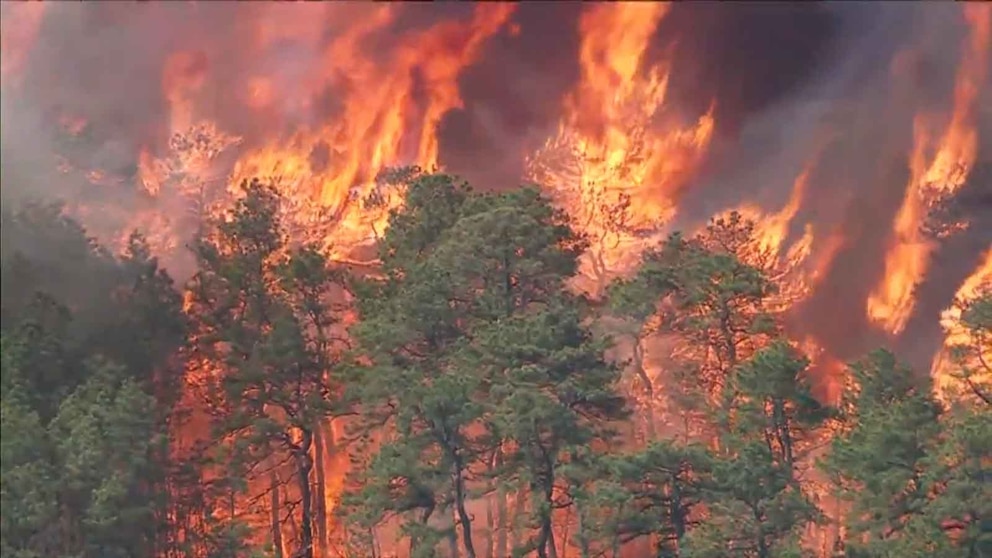
New Jersey is facing one of its most serious wildfire emergencies in recent memory as officials have declared a state of emergency in response to a rapidly spreading blaze that has consumed approximately 11,500 acres. What began as a manageable fire situation has exploded into a full-scale crisis, forcing authorities to mobilize extensive resources and personnel to combat the flames while simultaneously working to protect communities in the fire’s path. The declaration of a state of emergency reflects the gravity of the situation and enables state officials to access additional resources, coordinate response efforts more effectively, and provide assistance to affected residents. This development has sent shockwaves through communities across New Jersey, a state more commonly associated with beaches and suburbs than devastating wildfires. The unprecedented scale of this fire has caught many residents off guard, serving as a stark reminder that wildfire risk isn’t limited to the western United States. As flames continue to spread, firefighters are working around the clock in challenging conditions, battling not just the fire itself but also weather conditions that have made containment efforts extraordinarily difficult.
Understanding the Scale and Spread of the Disaster
The sheer magnitude of this wildfire is difficult to comprehend for many New Jersey residents who have never experienced such an event in their lifetimes. To put 11,500 acres in perspective, that’s approximately 18 square miles of land—an area larger than many New Jersey townships. The fire has been spreading with alarming speed, fueled by a combination of dry conditions, wind, and vegetation that has become dangerously combustible after an extended period of drought. Fire officials have reported that the blaze has been moving in multiple directions simultaneously, making prediction and containment strategies particularly challenging. The explosive growth of the fire has outpaced initial response efforts, necessitating the involvement of firefighting teams from multiple jurisdictions and the deployment of specialized equipment including aerial firefighting resources. Weather conditions have played a significant role in the fire’s rapid expansion, with low humidity, minimal recent rainfall, and gusty winds creating what fire management experts describe as a “perfect storm” for wildfire development. As the fire continues to advance, authorities are constantly reassessing evacuation zones and adjusting their tactical approach to protect both human lives and property while working toward eventual containment of the blaze.
Impact on Communities and Evacuation Efforts
The human dimension of this disaster cannot be overstated, as thousands of New Jersey residents have found their lives suddenly upended by the approaching flames. Evacuation orders have been issued for multiple communities in the fire’s path, forcing families to hastily gather essential belongings and flee their homes with little notice. The psychological toll on these residents is immense—the uncertainty of not knowing whether their homes will still be standing when they’re allowed to return creates profound anxiety and stress. Emergency shelters have been established to accommodate evacuees, with local organizations, volunteers, and emergency management personnel working together to provide food, bedding, and support services to displaced families. Many residents have also sought refuge with friends and relatives outside the affected areas, creating a diaspora of people uncertain about their immediate future. The evacuation process itself has been chaotic at times, with traffic congestion on evacuation routes and some residents initially reluctant to leave their properties. First responders have been going door-to-door in certain areas to ensure that everyone has received evacuation notices and to assist those who need help leaving, particularly elderly residents and those with mobility challenges. Beyond those under mandatory evacuation orders, many more residents in surrounding areas are on high alert, packed and ready to leave at a moment’s notice should the fire change direction or accelerate toward their communities.
The Firefighting Response and Challenges
Combating a wildfire of this magnitude requires a coordinated effort involving hundreds of firefighters, extensive equipment, and sophisticated strategy. New Jersey has mobilized firefighting resources from across the state, with mutual aid agreements bringing in additional personnel and equipment from neighboring states as well. Ground crews are working to establish firebreaks—cleared areas designed to stop or slow the fire’s advance—while also directly attacking the flames where possible. Aerial resources, including helicopters and fixed-wing aircraft capable of dropping water and fire retardant, have been deployed to support ground operations and to attack the fire in areas that are difficult or impossible for ground crews to access safely. Despite these extensive efforts, firefighters face numerous challenges that complicate containment work. The terrain in affected areas can be difficult to navigate, with dense vegetation and uneven ground making it challenging to position equipment and personnel effectively. The same wind conditions that have accelerated the fire’s spread also make aerial operations more dangerous and sometimes impossible, grounding aircraft during critical periods. Additionally, the sheer size of the fire perimeter means that resources are stretched thin, requiring difficult decisions about which areas to prioritize for protection. Firefighters are working exhausting shifts in physically demanding conditions, exposed to smoke, heat, and the constant danger that comes with wildfire suppression. The complexity of the operation requires constant coordination between different agencies, jurisdictions, and specialized teams, all working from a unified command structure to maximize effectiveness and safety.
Environmental Factors and Climate Considerations
This devastating wildfire doesn’t exist in isolation but rather represents part of a broader pattern of environmental changes that are affecting fire risk not just in New Jersey but across many regions previously considered at low risk for major wildfires. New Jersey has experienced significant drought conditions in recent months, with rainfall totals well below normal levels. This extended dry period has left vegetation parched and highly flammable, creating fuel conditions that can support rapid fire spread once ignition occurs. Climate scientists have noted that weather patterns are becoming more variable and extreme, with longer dry periods punctuated by intense precipitation events—a pattern that paradoxically can increase fire risk by promoting vegetation growth during wet periods that then becomes dangerous fuel during subsequent dry spells. Temperature records have also been trending upward, with warmer conditions contributing to faster evaporation and drier fuel conditions. While it’s impossible to attribute any single fire event directly to climate change, the environmental conditions that have enabled this fire to grow so large and spread so quickly are consistent with predicted effects of a changing climate. The situation has prompted discussions among policymakers, environmental scientists, and emergency management professionals about the need for New Jersey and other eastern states to reassess their wildfire preparedness, potentially adopting strategies and building codes more commonly associated with fire-prone western states. The fire has also raised awareness among the general public about wildfire risk, something many New Jersey residents had previously considered a problem for other parts of the country rather than a threat in their own communities.
Looking Ahead: Recovery and Resilience
As firefighting efforts continue and the immediate crisis eventually moves toward resolution, affected communities face the long and difficult process of recovery and rebuilding. The full extent of the damage won’t be known until the fire is fully contained and safety assessments can be conducted in affected areas, but early indications suggest that property losses will be significant. Beyond the physical destruction of homes and structures, there will be environmental damage that will take years to recover from, including loss of wildlife habitat, soil damage, and impacts to water quality from runoff in burned areas. The economic impact extends beyond just property damage to include lost business revenue, costs associated with firefighting operations, and the long-term effects on property values and insurance rates in affected areas. However, amid the destruction, there are also stories of resilience, community solidarity, and determination to rebuild. Neighbors are helping neighbors, volunteers are providing support to evacuees, and communities are already discussing how to recover from this disaster. The state of emergency declaration will help facilitate recovery efforts by making state and potentially federal resources available for rebuilding and restoration. This tragedy will likely lead to important policy discussions about wildfire prevention, forest management, building codes, and emergency preparedness in New Jersey and similar regions. As climate patterns continue to evolve and wildfire risk increases in areas previously considered relatively safe, the lessons learned from this fire will inform how communities prepare for and respond to future emergencies. The road to recovery will be long, but the response to this crisis has demonstrated the strength and resilience of New Jersey communities and their ability to come together in the face of disaster.