
Norwegian Green Steel Company Eyes Rescue of Britain’s Third-Largest Steel Producer
A Green Future for Britain’s Struggling Steel Industry
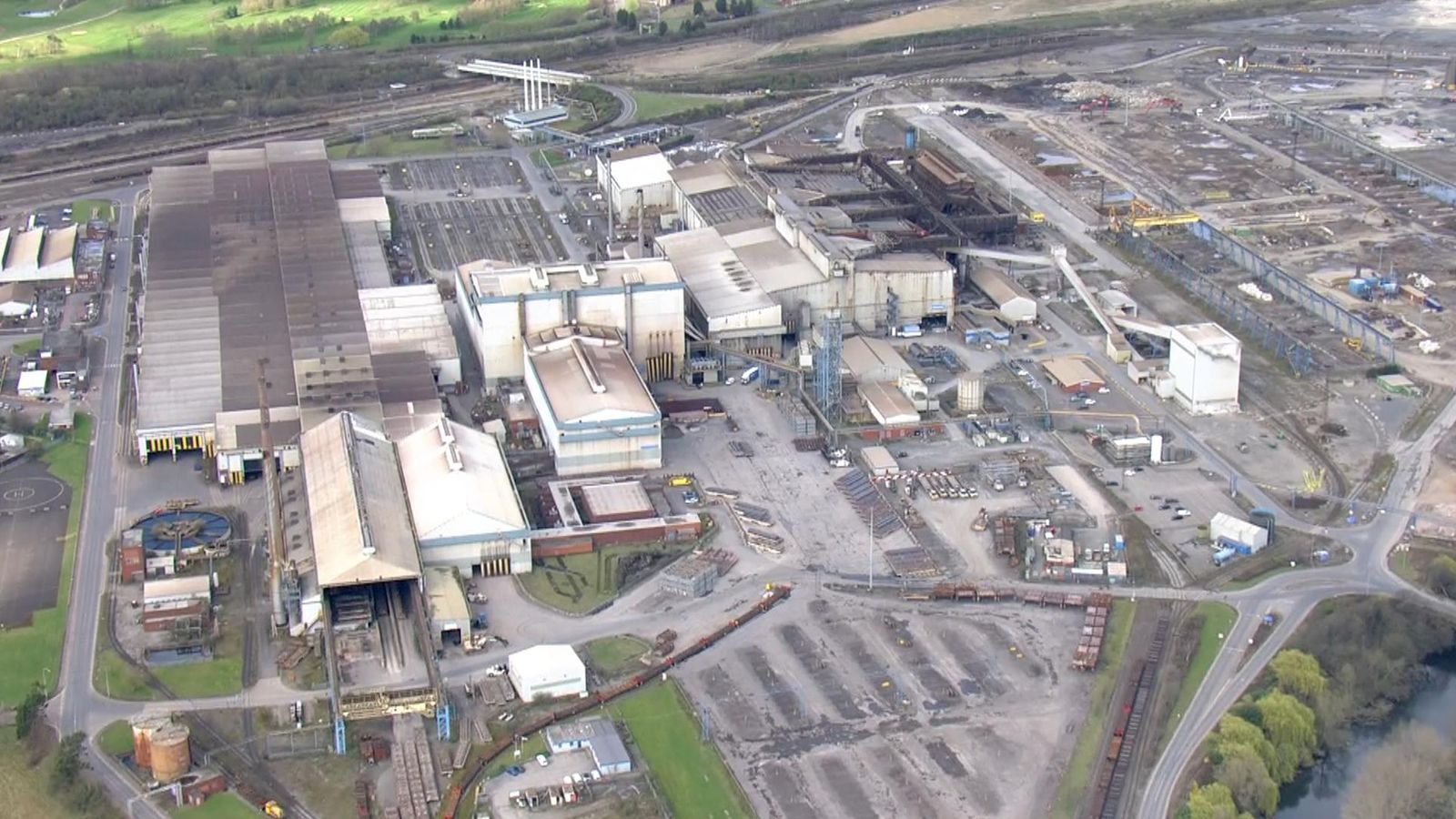
Six months after Britain’s third-largest steel producer collapsed into liquidation, hope has emerged from an unexpected source in Scandinavia. Blastr, a Norwegian green steel company, has positioned itself as a leading contender to rescue Speciality Steels UK (SSUK), a business that once employed over 1,000 people across sites in Rotherham and Sheffield. The company’s interest represents more than just a potential business acquisition—it symbolizes a possible turning point for Britain’s beleaguered steel sector, which has been grappling with financial challenges, environmental pressures, and uncertain government policy for years. This rescue bid comes at a critical time when the entire British steel industry faces an uncertain future, with jobs, communities, and national strategic capabilities hanging in the balance.
The story of SSUK’s downfall is intimately connected with the troubled business empire of Sanjeev Gupta, the tycoon whose once-sprawling metals conglomerate has faced mounting financial, legal, and regulatory difficulties. Last summer, a judge delivered a damning assessment, declaring SSUK “hopelessly insolvent” before it was forced into compulsory liquidation. This collapse sent shockwaves through the Yorkshire steel communities that had depended on these facilities for generations. However, the intervening months have seen various parties expressing interest in breathing new life into these strategic assets, with the Official Receiver now managing a competitive process to identify the best buyer for this important piece of Britain’s industrial infrastructure.
The Norwegian Challenger and Its Vision
Blastr brings impressive credentials to the bidding table, led by Mark Bula, a steel industry veteran with significant experience disrupting traditional steelmaking methods. Bula previously worked at American companies Nucor and Big River Steel, both recognized for successfully challenging conventional blast furnace production through the adoption of electric arc furnace technology—a more environmentally friendly approach to steelmaking. This background suggests that if Blastr succeeds in acquiring SSUK, it could fundamentally transform how these British facilities operate, potentially making them more competitive while dramatically reducing their environmental impact.
The company was established with an ambitious mission: to create an iron and steel value chain across the UK and Europe that combines low costs with global competitiveness and environmental sustainability. This vision aligns perfectly with broader industry trends toward decarbonization and could position any rescued SSUK facilities at the forefront of green steel production. According to insiders familiar with the situation, Blastr has retained Evercore, a prestigious investment bank, to advise on its interest in SSUK. Interestingly, Evercore has also been engaged by the UK government to provide strategic advice on the steel industry, including exploring options that could potentially merge SSUK with other sector assets—creating intriguing possibilities for industry consolidation and restructuring.
Those close to Blastr’s thinking reveal that the company is actively scouring the industry for strategic acquisitions that would enable it to deliver ultra-low emission iron and steel at the lowest cost across the UK and European markets. The company has even drawn up plans to relocate its holding company from Norway to the UK, though whether this move depends on successfully acquiring SSUK remains unclear. If a deal materializes, it would likely involve establishing a special purpose vehicle to complete the transaction, adding another layer of complexity to what is already a complicated industrial rescue operation.
Competition Heats Up for Yorkshire Steel Assets
Blastr isn’t the only serious contender for SSUK’s assets. The company faces competition from several well-financed rivals, each bringing different strengths and strategic visions to the table. Arabian Gulf Steel Industries (AGSI), headquartered in Abu Dhabi, represents Middle Eastern capital and expertise in the sector. Meanwhile, 7 Steel UK, owned by Czech energy tycoon Pavel Tykac, has already demonstrated its commitment to reviving British steel facilities by purchasing the Allied Steel and Wire site in Cardiff from Spanish firm Celsa last year. This track record of actual investment in British steel could give 7 Steel credibility with government officials evaluating the various proposals.
Whitehall insiders suggest that a decision identifying a preferred bidder could come within weeks, though they’re careful to note that it’s entirely possible none of the shortlisted suitors will be able to negotiate terms satisfactory to all parties. The financing arrangements behind these various bids remain murky, adding uncertainty to the process. Recent reports indicated that AGSI might be seeking financial backing from Britain’s National Wealth Fund to support a takeover and fund the resumption of steelmaking operations at the Yorkshire sites. Even Sanjeev Gupta himself has secured backing from third parties, including BlackRock, the world’s largest asset manager, though the likelihood of him being allowed to repurchase the business he once controlled appears extremely remote given the circumstances of its collapse.
When approached for comment, a Blastr spokesman declined to discuss the matter, maintaining the confidentiality typical of such delicate negotiations. The Insolvency Service, representing the Official Receiver managing the sale process, confirmed earlier this month that work continues on progressing bids for SSUK’s sale, with the stated aim of completing a transaction at the earliest opportunity. This measured response reflects the complexity of finding not just any buyer, but the right buyer—one capable of preserving jobs, maintaining strategic capabilities, and ensuring long-term viability.
Britain’s Steel Sector Crisis
The competition to acquire SSUK unfolds against a backdrop of profound uncertainty across Britain’s entire steel sector. The industry faces challenges on multiple fronts: international competition, high energy costs, environmental regulations requiring massive capital investment, and questions about government commitment to maintaining domestic steel production capacity. British Steel, the Scunthorpe-based producer legally owned by China’s Jingye Group, was effectively seized by the government in April after the company threatened to close its remaining blast furnaces. This extraordinary intervention has been costing British taxpayers a seven-figure sum daily, with the government having already spent hundreds of millions of pounds keeping the company operational.
This government takeover prevented the immediate loss of more than 3,000 jobs, but significant questions remain about British Steel’s viability as a standalone entity in the long term. The situation illustrates the difficult choices facing policymakers: allow strategically important facilities to close with devastating consequences for communities and national capabilities, or provide taxpayer support with uncertain prospects for eventual return to private sector viability. These dilemmas reflect the fundamental challenges facing heavy industry in advanced economies trying to balance market economics with strategic considerations and social responsibilities.
The Port Talbot Controversy and Industry Transition
The steel sector’s turbulence reached Wales in 2024 when ministers agreed to provide £500 million in grant funding to Tata Steel, the Indian-owned company, to install an electric arc furnace at its Port Talbot steelworks. This substantial public investment was intended to help transition the facility toward more environmentally sustainable production methods, with the new facility expected to become operational in 2027. On the surface, this represents exactly the kind of green industrial strategy that should position British steel for a lower-carbon future while preserving manufacturing capability and jobs.
However, the reality proved far more controversial than policymakers anticipated. The deal has been bitterly opposed by trade unions, who are furious that the new government funding effectively facilitated thousands of redundancies at the plant rather than protecting employment. Workers and their representatives argue that the £500 million investment was used as leverage to drive through workforce reductions that might not have been possible without government support. This bitter dispute highlights the human cost of industrial transition and the challenges of managing the shift from traditional blast furnace technology to electric arc furnaces, which typically require fewer workers to operate. The Port Talbot controversy has become a cautionary tale about the difficulties of balancing decarbonization goals, economic viability, worker protections, and community impacts—challenges that whoever ultimately acquires SSUK will also need to navigate carefully if they hope to succeed where others have struggled.