


Novo Nordisk Slashes Prices on Popular Weight-Loss Drugs Amid Growing Market Competition
A Major Price Drop for Weight-Loss Medications
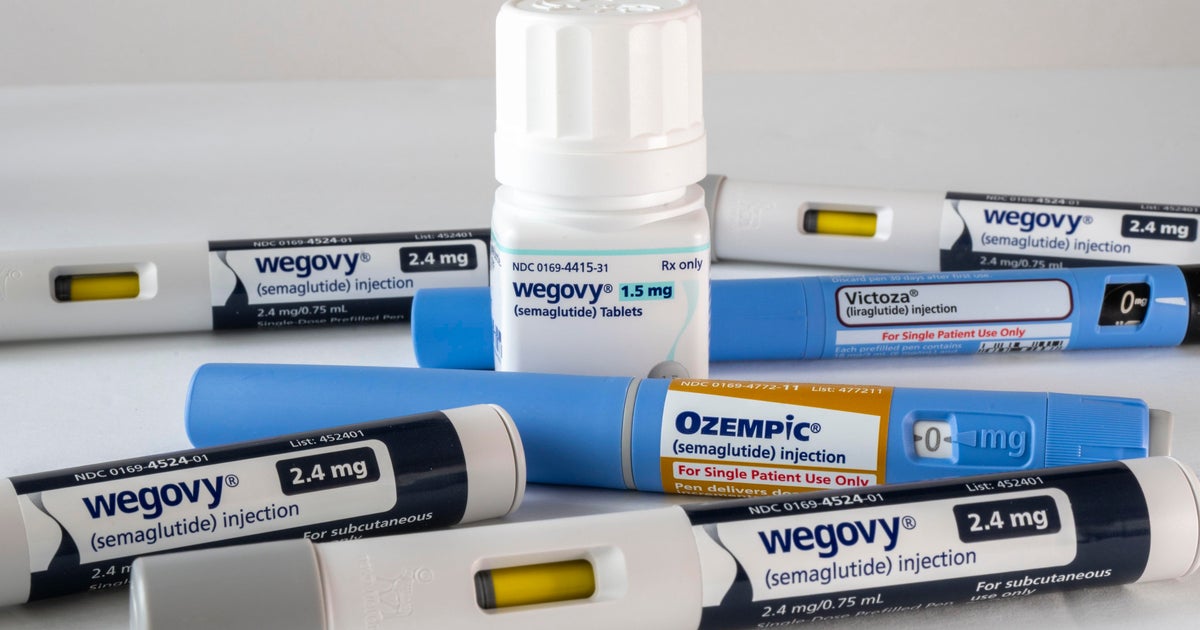
In a significant move that could reshape the weight-loss medication market, Novo Nordisk announced on Tuesday that it will dramatically reduce prices for its popular drugs Wegovy and Ozempic starting in January 2027. The Danish pharmaceutical giant revealed plans to offer these medications for $675 per month, marking a substantial 50% price reduction for Wegovy and a 35% cut for Ozempic. This decision represents one of the most aggressive pricing strategies in the rapidly expanding weight-loss drug sector and signals a new era of competition in this lucrative market. The company is also extending the same pricing to Rybelsus, an oral medication primarily prescribed for adults with type 2 diabetes that has also been used off-label for weight management. This coordinated price reduction across multiple products demonstrates Novo Nordisk’s commitment to maintaining its market position while addressing the growing concerns about medication affordability that have dominated healthcare discussions in recent years.
The Competitive Landscape Driving Price Reductions
The timing of Novo Nordisk’s announcement is no coincidence. The pharmaceutical company finds itself in an increasingly competitive marketplace, particularly with American drugmaker Eli Lilly, which markets its own weight-loss and diabetes medications, Mounjaro and Zepbound. These injectable treatments have gained significant traction among consumers seeking effective weight-loss solutions, creating pressure on Novo Nordisk to defend its market share. Beyond Eli Lilly, the landscape is becoming even more crowded as additional manufacturers develop and introduce their own GLP-1 treatments—the class of medications that includes Wegovy and Ozempic. These drugs work by mimicking a hormone that targets areas of the brain involved in regulating appetite and food intake, making them highly effective for weight management. As more players enter this space, pharmaceutical companies are recognizing that price will become an increasingly important factor in consumer decision-making, alongside efficacy and side effect profiles. This competitive dynamic is ultimately benefiting consumers who have long struggled with the high costs associated with these treatments.
The Trump Administration’s Influence on Drug Pricing
The broader context for Novo Nordisk’s pricing decision includes recent government initiatives aimed at reducing prescription drug costs for Americans. Wegovy and Ozempic are among approximately 40 medications now available at discounted prices through Trumprx.gov, a newly launched online platform created by the Trump administration. This digital marketplace gives consumers direct access to lower drug prices, bypassing some of the traditional intermediaries in the pharmaceutical supply chain. By offering medications directly to consumers at reduced rates, the platform represents a significant shift in how Americans can access prescription drugs. The inclusion of Novo Nordisk’s weight-loss medications on this platform likely influenced the company’s decision to implement broader price reductions, as it seeks to remain competitive not just with other pharmaceutical manufacturers but also with government-backed pricing initiatives. This development illustrates how policy interventions can create real market pressures that result in lower costs for consumers, particularly for medications that have previously been financially out of reach for many Americans.
Addressing Affordability Concerns and Insurance Challenges
Novo Nordisk has positioned its price reduction strategy as a response to legitimate affordability concerns raised by both patients and healthcare payers. In their official announcement, company executives emphasized their desire to reduce out-of-pocket expenses particularly for customers enrolled in high-deductible health insurance plans. These plans, which have become increasingly common as employers seek to control healthcare costs, often leave patients responsible for substantial medication expenses before their insurance coverage fully activates. Jamey Miller, executive vice president of U.S. operations for Novo Nordisk, acknowledged this reality in a statement, noting that “private and public payers, as well as patients, want access and have been calling for lower list prices.” This recognition that the market has been demanding more affordable options represents an important acknowledgment from a major pharmaceutical company that previous pricing models were unsustainable and were creating barriers to access for many potential patients. The company’s November announcement of another pricing plan for Wegovy and Ozempic further demonstrates an ongoing commitment to addressing these concerns through multiple approaches.
Impact on Direct-to-Consumer Pricing Models
Interestingly, Novo Nordisk clarified that these significant price reductions will not affect their “direct-to-patient” pricing structure—the discounted rates that some manufacturers offer directly to consumers, bypassing traditional pharmacy channels and insurance companies. This distinction is important because it reveals the complexity of pharmaceutical pricing in the United States, where multiple parallel pricing systems exist simultaneously. Some patients may already be accessing these medications through direct-to-consumer programs at rates that could be comparable to or even lower than the newly announced prices. By maintaining their direct-to-patient pricing separately, Novo Nordisk is essentially creating multiple pathways for consumers to access affordable medications, recognizing that different patients navigate the healthcare system in different ways. This multi-tiered approach also allows the company to maintain relationships with various stakeholders in the healthcare ecosystem, from insurance companies and pharmacy benefit managers to individual consumers who prefer to purchase medications independently of their insurance coverage.
The Broader Implications for Healthcare Accessibility
The price reductions announced by Novo Nordisk carry implications that extend far beyond the company’s bottom line or even the weight-loss medication market specifically. This move could signal the beginning of a broader trend in pharmaceutical pricing, particularly for medications that address conditions affecting millions of Americans. Obesity and related metabolic conditions have reached epidemic proportions in the United States, and effective medical treatments have been welcomed by healthcare providers and patients alike. However, the high costs of these medications have meant that many people who could benefit from them have been unable to access treatment. By reducing prices to $675 per month—still a significant expense but substantially lower than previous pricing—Novo Nordisk may be opening access to a wider segment of the population. This could have meaningful public health implications if more people can afford to use these medications as part of comprehensive weight management programs. Additionally, this pricing strategy may pressure other pharmaceutical companies to reconsider their own pricing models, potentially creating a ripple effect throughout the industry. As competition intensifies and both government and market forces push for greater affordability, we may be witnessing a fundamental shift in how pharmaceutical companies approach pricing for medications that address widespread chronic conditions. The ultimate winners in this evolving landscape will be patients who gain access to treatments that were previously financially out of reach.