
Todd Inman’s Sudden Departure from the NTSB: What Happened and Why It Matters
An Unexpected End to Public Service
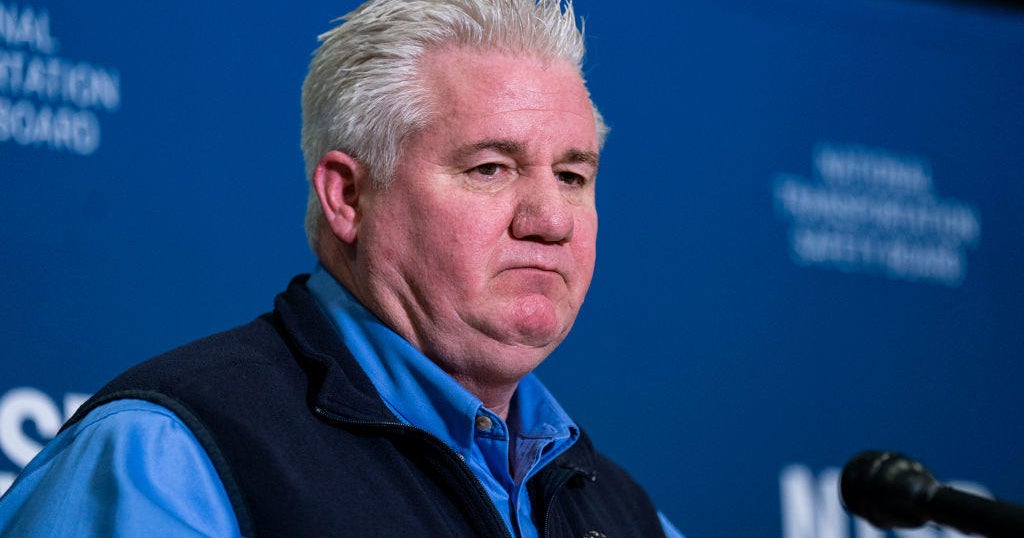
Todd Inman’s career at the National Transportation Safety Board came to an abrupt and unexpected halt this month, cutting short what was supposed to be a five-year commitment to transportation safety. Inman, who had served as a board member for just two years, received notice from the White House Presidential Personnel Office that his services were being terminated on behalf of President Trump. The dismissal came as a shock to many in the transportation safety community, particularly given Inman’s highly visible role in responding to one of the nation’s most devastating recent aviation disasters. What makes this termination particularly puzzling is that Inman himself has stated he has received no explanation for why he was let go. The lack of transparency surrounding his firing has raised questions about the stability and independence of an agency that plays a crucial role in keeping American travelers safe.
The Man Who Stood at Ground Zero
Inman’s name became familiar to millions of Americans last January when he served as the NTSB’s initial on-scene spokesman following the catastrophic midair collision over Washington, D.C. The tragedy, which occurred near Ronald Reagan National Airport, claimed the lives of all 67 people aboard both a regional American Airlines flight and a military Black Hawk helicopter. As the face of the investigation in those critical early hours, Inman had to balance the technical demands of his job with the profound human tragedy unfolding before him. His emotional response during a CBS News interview revealed the deep impact the disaster had on him personally. Standing at the debris field, surrounded by the wreckage and the bodies of victims, Inman spoke candidly about how the experience affected him: “When you look over and see those bodies laying, that’s someone’s family, it could be yours,” he told reporters. This moment of vulnerability humanized the often technical and procedural work of accident investigation, reminding the public that behind every investigation are real people dealing with real trauma.
A Career Built on Safety and Service
Before his appointment to the NTSB, Inman had already established himself as a dedicated public servant in the transportation safety field. Interestingly, he had served as a Department of Transportation official during President Trump’s first term, which makes his firing by the current Trump administration all the more surprising. His credentials and experience were strong enough to earn him appointment by President Biden and confirmation by the Senate in March 2024, a process that typically involves rigorous vetting and bipartisan support. Inman’s statement following his termination reflected the pride he took in his work and the profound impact it had on him. He described serving on the NTSB board as “a great honor” and noted that he had been the member on scene for two of the largest aviation incidents in the past two decades. The weight of this responsibility clearly left its mark on him and his family, though he emphasized that it changed his perspective “in a positive way on how we regulate safety for the traveling public.”
Understanding the NTSB’s Critical Mission
To fully appreciate the significance of Inman’s departure, it’s important to understand what the NTSB does and why it matters. The agency consists of five board members who oversee the investigation of all fatal general aviation accidents, including those involving commercial aircraft, as well as significant accidents across various modes of transportation and pipeline incidents. What sets the NTSB apart from other government agencies is its independence and its focus on determining the facts. The board doesn’t have regulatory authority—it can’t make rules or enforce penalties. Instead, its power lies in its ability to investigate accidents thoroughly, determine their probable causes, and make safety recommendations designed to prevent similar tragedies in the future. This independence from political pressure has traditionally been seen as essential to the agency’s credibility and effectiveness. When board members are appointed for five-year terms, the intention is to provide stability and insulate investigators from political winds that might compromise their objectivity or thoroughness.
A Pattern of Political Purges
Inman’s firing wasn’t an isolated incident but part of a broader pattern within the Trump administration. Just months earlier, in May 2025, another Biden-appointed NTSB member, former vice chairman Alvin Brown, was also fired by the administration. Brown, like Inman, had been sworn in during 2024—in fact, both men took their oaths of office on the same day. Brown’s replacement, John Deleeuw, who previously served as American Airlines’ top safety executive, was confirmed by the Senate on February 25. The rapid turnover of Biden appointees and their replacement with new Trump administration selections raises questions about whether the NTSB’s traditional independence is being maintained. While presidents have the authority to shape the composition of government boards and agencies, the NTSB has historically been viewed as somewhat above the political fray, given its critical safety mission. The fact that both Inman and Brown were removed despite having years remaining on their terms suggests a more aggressive approach to remaking the board’s composition.
The Larger Questions and Lasting Impact
The circumstances surrounding Inman’s departure raise important questions about the future of transportation safety oversight in America. When experienced board members are removed without explanation in the middle of their terms, it potentially disrupts ongoing investigations and institutional knowledge. Inman’s firsthand experience with major disasters, including the D.C. midair collision, represented valuable expertise that can’t be easily replaced. His emotional connection to the work and his understanding of how accidents affect families and communities added a human dimension to the technical work of accident investigation. Moving forward, the transportation safety community will be watching closely to see whether these personnel changes affect the NTSB’s operations, independence, or credibility. For Inman personally, his departure marks the end of a chapter of public service marked by dedication and personal sacrifice. His willingness to confront the most difficult aspects of his job, including the emotional toll of witnessing tragedy up close, demonstrated a commitment to safety that went beyond mere professional obligation. While his time at the NTSB has ended prematurely and without clear explanation, his contributions to understanding and preventing transportation accidents will likely continue to influence safety improvements for years to come. The question now is whether the agency can maintain its reputation for thorough, independent investigation amid what appears to be increased political influence over its composition and leadership.