
Austin Police Officers Cleared in Shooting That Stopped Mass Gunman
No Charges for Officers Who Ended Deadly Rampage
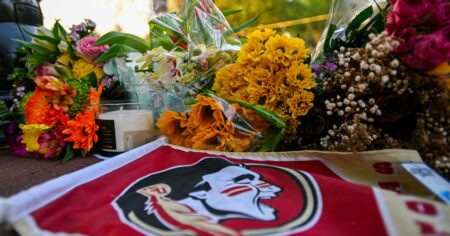
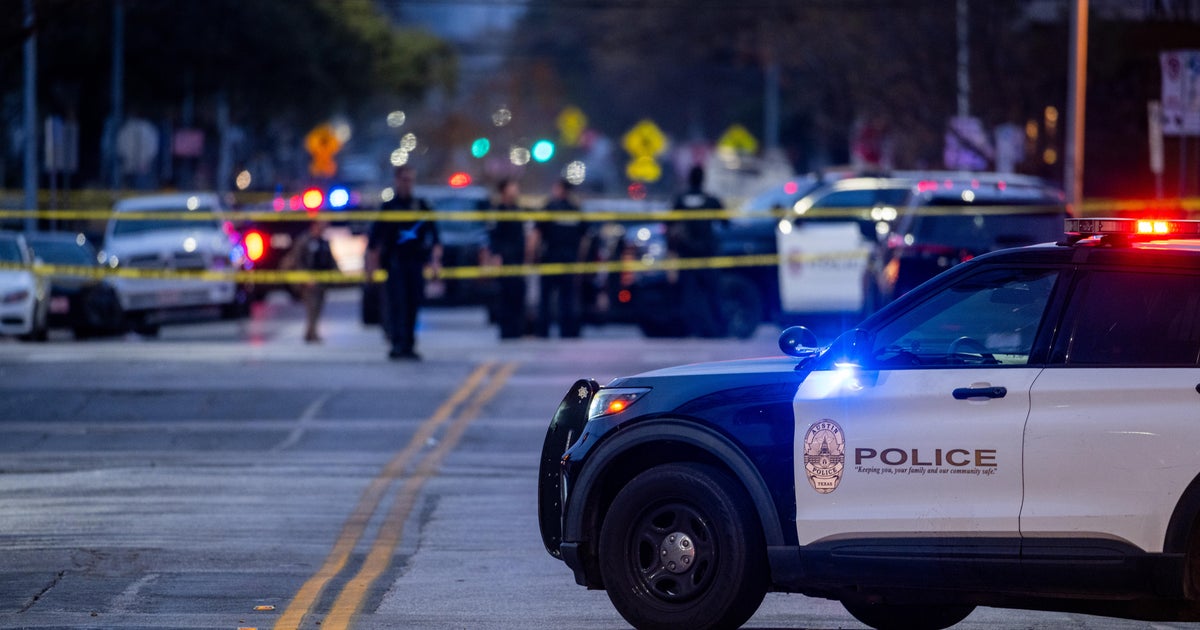
In a case that sparked immediate political controversy, the three Austin police officers who shot and killed a gunman during a mass shooting incident will not face criminal charges or a grand jury review. Travis County District Attorney Jose Garza made this clear in a forceful statement Tuesday, calling the officers “heroes” and dismissing suggestions that his office would pursue charges as “intentionally false” claims motivated by politics. The incident occurred in the early morning hours of Sunday when 53-year-old Ndiaga Diagne opened fire on people enjoying a night out at an Austin bar, killing three individuals and wounding twelve others before police arrived on scene and neutralized the threat. The swift response by law enforcement, who arrived and ended the shooting within minutes of the initial 911 calls around 1:30 a.m., undoubtedly prevented further loss of life in what could have been an even more devastating tragedy.
Political Firestorm Over District Attorney’s Review Policy
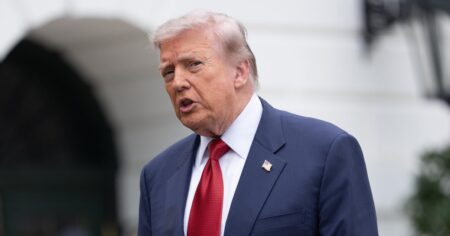
The controversy erupted not because of questions about the officers’ actions themselves, but due to confusion surrounding DA Garza’s longstanding policy of sending all police shooting cases to a grand jury for review. This policy, which Garza campaigned on and has implemented consistently since taking office in 2021, is designed to provide independent civilian oversight of police use of deadly force. When news broke that the Austin Police Association had retained attorney Douglas O’Connell to represent the three officers through a potential grand jury proceeding, Republican politicians responded with outrage. Texas Senator Ted Cruz took to social media platform X, calling the situation “INSANE” in capital letters. Governor Greg Abbott followed with his own statement, praising the officers as heroes who saved lives and asserting that regardless of the DA’s actions, he would “have the final say in the fate of these officers.” The political reaction highlighted the ongoing tensions between progressive prosecutors who favor civilian oversight of police and conservative lawmakers who view such policies as second-guessing officers who put their lives on the line.
The Shooting Incident and Police Response
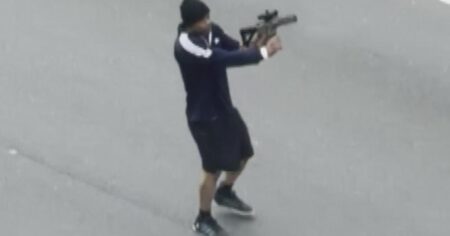
The tragic events of Sunday morning unfolded when Diagne, armed with a handgun and driving an SUV that also contained an AR-style rifle and a Quran, began shooting through his vehicle’s window at crowds of people outside an Austin bar. The attack killed three innocent victims and left a dozen others wounded in what witnesses described as a scene of chaos and terror. Within minutes of the shooting beginning, Austin police officers arrived on scene and confronted the gunman, ultimately shooting and killing him and bringing the rampage to an end. Their rapid response prevented what could have been an even deadlier incident, as Diagne’s possession of an AR-style rifle suggested he may have planned even more extensive violence. The officers’ actions were immediately praised by law enforcement officials, community members, and political leaders as heroic and necessary to protect innocent lives. Under any reasonable assessment, the shooting appeared to be a textbook example of justified use of deadly force by police officers responding to an active shooter situation.
Understanding the Grand Jury Review Process
The standard procedure in Travis County involves a multi-layered review of any police shooting. A special investigations unit within the police department typically conducts the initial investigation into shootings or allegations of officer misconduct. These findings are then forwarded to the District Attorney’s office, which often conducts its own parallel investigation. Under DA Garza’s policy, these cases are then presented to a grand jury—a panel of citizens who review the evidence and determine whether criminal charges are warranted. This process is intended to provide transparency and civilian oversight, removing the decision about whether to charge an officer from the sole discretion of the prosecutor. However, critics argue that subjecting officers who clearly acted appropriately to grand jury scrutiny creates unnecessary stress and sends a message that legitimate police work is somehow suspect. The policy applies to all police shootings regardless of circumstances, meaning even the most obviously justified cases go through the same review process as questionable incidents.
DA’s Clarification and Damage Control
Recognizing the growing political firestorm and apparently concerned about mischaracterization of his office’s intentions, DA Garza issued a strong statement Tuesday aimed at setting the record straight. He emphasized that his office was not seeking charges and would not seek charges against the officers, calling them heroes for their actions. Garza characterized claims to the contrary as “intentionally false” and motivated by “obvious political reasons,” suggesting that opponents were deliberately misconstruing his standard review process as an indication he planned to prosecute the officers. His statement represented an unusual step for a prosecutor, as most would not typically comment on ongoing investigations or potential grand jury matters. However, the political pressure and potential damage to his office’s relationship with law enforcement apparently warranted the public clarification. Despite Garza’s statement, questions remained about whether the case would still go through his standard grand jury review process, even if his office had no intention of seeking charges. Garza did not respond to CBS News’ request for additional comment to clarify this and other aspects of the situation.
Ongoing Tensions Between Prosecutor and Police
The incident has highlighted the strained relationship between DA Garza’s office and law enforcement in Travis County. Michael Bullock, president of the Austin Police Association, acknowledged Garza’s statement that charges would not be sought but used the opportunity to criticize the broader environment the DA has created. In a statement posted to social media, Bullock said he hoped the DA would recognize that “he has built a dysfunctional and distrusting relationship with law enforcement in Travis County.” This tension reflects a broader national debate about criminal justice reform, police accountability, and the role of progressive prosecutors. Meanwhile, attorney O’Connell, representing the three officers, stated that his clients understand and respect the officer-involved shooting review process but expressed their main concern about the possibility of a lengthy grand jury proceeding. The uncertainty about whether they would face a protracted legal process, even without criminal charges being sought, created stress for officers who believed they had simply done their jobs in stopping a mass shooter. As communities across America continue to grapple with how to balance police accountability with support for officers who risk their lives to protect the public, the Austin case serves as a reminder that even seemingly clear-cut incidents can become flashpoints in our polarized political environment.