
How Middle East Conflict Is Shaking Global Markets and Your Wallet
Energy Markets React with Sharp Price Increases
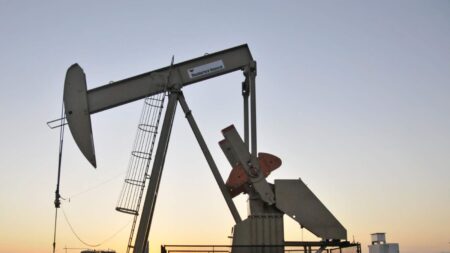
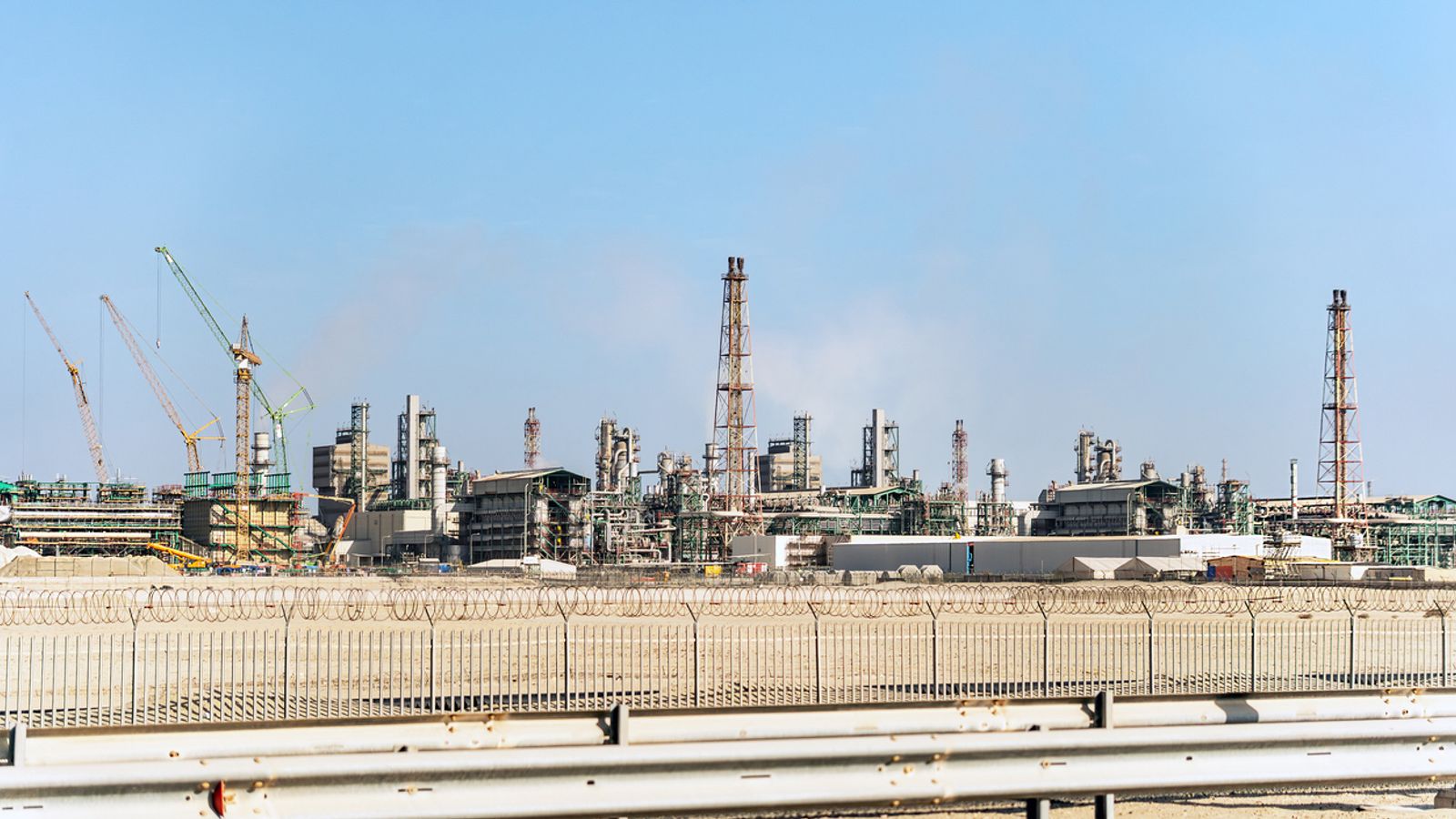
The outbreak of war in the Middle East has sent shockwaves through global financial markets, with oil and gas prices experiencing their most dramatic increases in recent memory. When Asian markets opened for trading, Brent crude oil prices surged by an eye-watering 13%, reaching $82 per barrel before settling back to around $79. This initial spike reflected traders’ immediate concerns about supply disruptions from one of the world’s most crucial energy-producing regions. The situation became even more concerning when it emerged that Iran’s aerial attacks had damaged state-owned infrastructure in two major oil and gas-producing nations, including hitting the world’s largest oil refinery in Saudi Arabia, forcing it to shut down completely.
Natural gas markets told an equally dramatic story, with prices jumping even more sharply than oil. Contracts for natural gas to be delivered to the UK the following day shot up by more than 30% on Monday afternoon, while contracts for April delivery spiked by an astonishing 50%. The primary driver behind these increases was Qatar’s decision to suspend production at all its liquefied natural gas (LNG) facilities. This is particularly significant because Qatar isn’t just another player in the global energy market – it controls approximately 20% of the world’s entire LNG supply, which is transported across oceans in specialized ships. When such a major supplier suddenly goes offline, the ripple effects are felt worldwide almost immediately.
What This Means for Household Energy Bills
For ordinary consumers worried about their energy bills, the situation presents both immediate concerns and some temporary relief. The reality is that we’re facing the prospect of higher bills in the coming months if these elevated wholesale prices persist for several weeks. However, there’s an important cushion protecting households in the short term. For those on the energy price cap – which covers most UK households – any potential price increases cannot take effect until the beginning of July at the earliest. This is because the regulator has already set the cap level for the April to June quarter, providing a buffer period during which current rates remain locked in regardless of what happens in wholesale markets.
That said, if wholesale prices remain high for an extended period measured in weeks rather than days, the impact will eventually filter through to consumer bills. The energy market doesn’t react instantly to short-term price spikes; it takes sustained elevated prices over many weeks before they crystallize into actual changes in what households pay. This lag effect means that while the current situation is concerning, there’s still time for markets to potentially stabilize before consumers feel the full impact. Energy analysts will be watching closely to see whether this represents a temporary shock or the beginning of a more prolonged period of higher prices.
Petrol Prices Face Upward Pressure
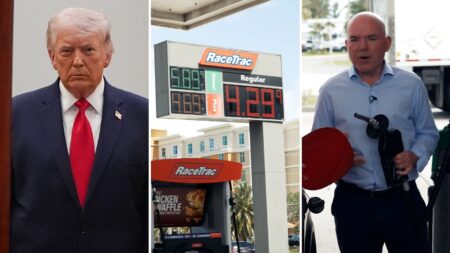
Motorists are also bracing for potential pain at the pump, though again the situation remains fluid. The RAC, which monitors fuel prices across the UK, indicated that average unleaded petrol costs were already expected to rise by about 1 penny per liter this week due to market movements that preceded the current conflict. Now, with oil prices spiking due to the Middle East situation, there could be an additional 2 pence per liter increase if current wholesale oil price levels are maintained. However, the motoring organization cautioned that it’s far too early to make definitive predictions, as the situation could change rapidly in either direction.
Similar to the energy bill situation, petrol prices don’t respond instantly to wholesale oil market movements. It would take many weeks of sustained elevated prices before these increases fully work their way through the supply chain to forecourts across the country. The oil market is complex, with numerous factors influencing the final price consumers pay, including refining costs, distribution expenses, currency exchange rates, and taxation. A temporary spike in crude oil prices doesn’t automatically translate to permanent increases at the pump, particularly if the situation stabilizes relatively quickly.
Stock Markets Show Widespread Declines
Global stock markets reflected the uncertainty and risk that comes with military conflict in such a strategically important region. London’s FTSE 100 index fell by 1.2%, closing at 10,780 points, which represented a significant but not catastrophic decline. However, the damage wasn’t spread evenly across all sectors – some industries actually benefited from the crisis. Defense contractors saw their share prices surge, with BAE Systems rising by 6% as investors anticipated increased demand for military equipment and services. Energy companies also posted gains initially, buoyed by those higher wholesale prices for oil and gas, though concerns about prolonged supply disruptions later tempered these increases.
The sectors that suffered most were those most vulnerable to global instability and reduced consumer confidence. Financial services companies saw their shares decline as investors worried about broader economic impacts. Travel-related stocks took an even harder hit, with IAG – the parent company of British Airways – falling by 5.5%, making it the biggest loser on the index. This reflected immediate concerns about reduced air travel to the affected region and potential knock-on effects if the conflict spreads or fuel costs remain elevated. Continental European markets fared worse than London, with Germany’s DAX and France’s CAC 40 both down more than 2%. Interestingly, US markets showed more resilience, with the broad S&P 500 down just 0.2%, suggesting American investors viewed the crisis as more geographically contained.
The Critical Role of the Strait of Hormuz
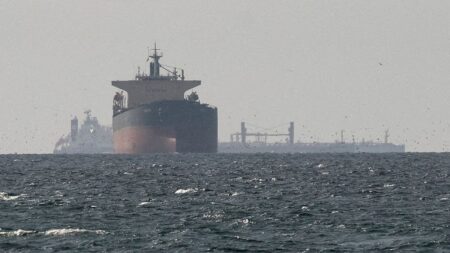
Market analysts consistently pointed to one geographical feature as the key factor that will determine how this situation unfolds: the Strait of Hormuz. This narrow shipping lane off the Iranian coast is one of the world’s most important energy chokepoints, normally seeing hundreds of ships pass through daily carrying oil and gas to global markets. Now, that vital waterway sits largely empty, with vessels kept at anchor for safety as insurance companies have withdrawn coverage for ships attempting the passage amid the conflict.
John Wyn Evans, head of market analysis at investment manager Rathbones, captured the market’s mood succinctly: “Everything hinges on the Strait of Hormuz.” He explained that the longer this critical shipping route remains closed or restricted, the worse the economic effects will be. For now, the world has some breathing room – existing inventories of oil and gas provide a buffer, and there are limited options to reroute some shipments around the closure, though these alternatives are more expensive and time-consuming. However, as Evans noted, “the situation remains finely balanced.” A closure lasting days might be absorbed without major long-term economic damage, but a closure measured in weeks or months could have severe consequences for global energy supplies and prices.
Investors sought safety in traditional “safe haven” assets during the turmoil. Gold prices rose by 2%, benefiting precious metal mining companies. Currencies considered stable stores of value – the US dollar, Japanese yen, and Swiss franc – all saw increased demand as investors moved money out of riskier assets. This flight to safety is a typical market response to geopolitical uncertainty, reflecting the age-old investment principle that in times of crisis, preservation of capital becomes more important than seeking returns. The coming days and weeks will reveal whether these initial market reactions were proportionate to the actual economic impact or whether they represented an overreaction to developments that may prove temporary.