
Understanding the Current Gas Price Surge: What American Drivers Need to Know
Why Your Gas Prices Keep Climbing Despite Falling Oil Costs
American drivers pulling up to the pump these days are experiencing serious sticker shock, and unfortunately, relief isn’t coming anytime soon. Even though crude oil prices have started to come down from their recent peaks, gas prices continue their upward climb. According to Patrick De Haan, a petroleum analyst at GasBuddy, motorists should prepare themselves for elevated fuel costs that will likely persist for several more weeks, regardless of what happens with crude oil prices. The situation is complex, involving not just international tensions but also seasonal patterns that affect how much we pay at the pump.
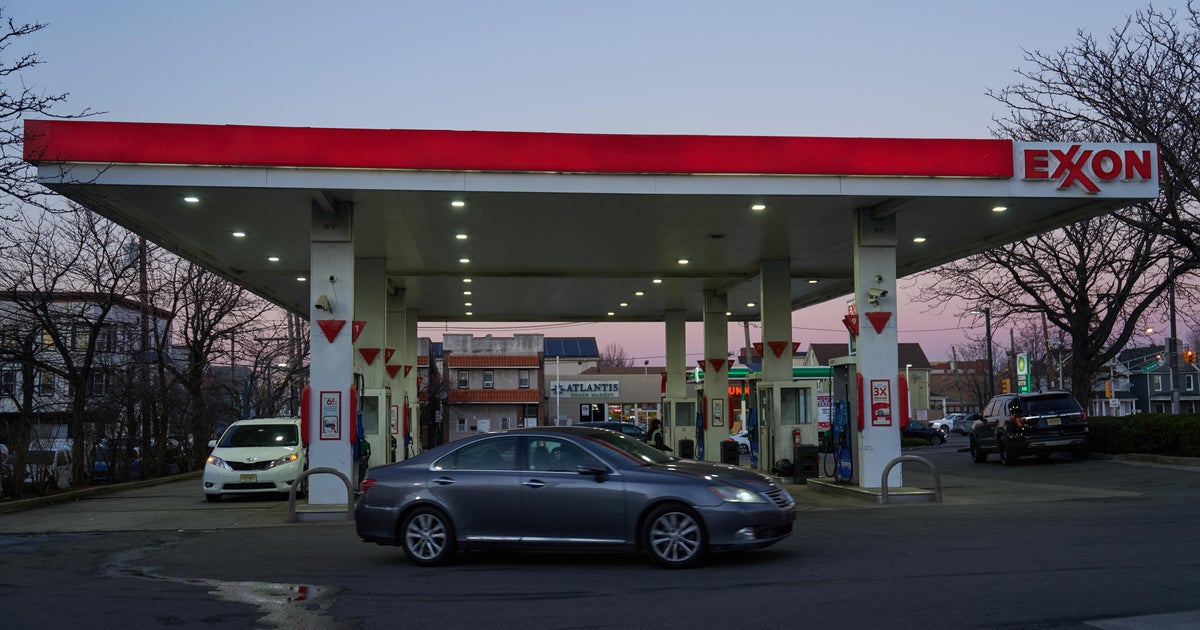
The volatility in the energy markets has been nothing short of dramatic. On a single Monday, global crude oil prices shot up to nearly $120 per barrel before pulling back after President Trump indicated to CBS News that the conflict with Iran might be nearing its end. By Tuesday, Brent crude had dropped approximately 13%, settling around $85 per barrel. However, despite this significant decline in oil prices, the national average for gasoline actually increased to $3.54 per gallon—that’s 6 cents higher than the day before, according to AAA data. This disconnect between falling oil prices and rising gas prices can be frustrating for consumers, but there are real reasons behind this lag that go beyond simple market dynamics.
The Impact of the Iran Conflict on Your Wallet
The conflict with Iran has had an immediate and substantial impact on American wallets. Since the war began, gas prices have jumped by more than 50 cents per gallon—a significant increase in a short period. To put this in perspective, the average price was sitting at $2.98 per gallon on February 27, just before the U.S. and Israel launched strikes on Iran. Within weeks, that price had climbed well above $3.50 per gallon. For a typical driver filling a 15-gallon tank, this represents an extra $7.50 to $8.00 every time they visit the gas station. For families with multiple vehicles or those with long commutes, these increases can quickly add up to hundreds of dollars in additional monthly expenses.
The situation is particularly concerning because of the strategic importance of the Strait of Hormuz, a narrow waterway through which approximately 20% of the world’s oil supply travels. This chokepoint has become a focal point of tension, with Iran threatening to set vessels ablaze if they attempt passage. According to Bloomberg’s tracking data, the strait remained effectively closed as of Tuesday, with only some Iran-linked traffic moving through. This disruption to global oil flow has created uncertainty in the markets, and uncertainty almost always translates to higher prices for consumers. De Haan emphasized that petroleum prices are likely to remain elevated as long as security risks persist in this crucial shipping lane, noting that the market is desperately seeking clarity on whether and when the Strait of Hormuz might reopen to normal traffic.
What to Expect at the Pump in the Coming Weeks
For those hoping for quick relief, De Haan’s forecast suggests patience will be necessary. He predicts that the national average gas price will stabilize somewhere between $3.55 and $3.65 per gallon within the next 24 to 36 hours, and it’s likely to remain in that range for the foreseeable future. Even if crude oil prices continue their recent downward trend, gas prices are unlikely to return to the levels we saw before the Iran conflict began. This isn’t just about geopolitics—seasonal factors play a significant role in keeping prices elevated during the spring and summer months.
As the weather warms up, Americans naturally drive more. Road trips increase, families visit vacation destinations, and outdoor activities require more transportation. This seasonal increase in demand puts upward pressure on prices. Additionally, gas stations are required to switch from winter-blend to summer-blend gasoline between June 1 and September 15 each year, according to the American Fuel and Petrochemical Manufacturers trade association. Summer-blend gasoline is more expensive to produce because it includes special additives designed to reduce evaporation during warmer months and takes longer to manufacture. Consumers typically end up paying about 15 cents more per gallon during the summer months because of this formulation change. When you combine this seasonal premium with the geopolitical premium from the Iran situation, it’s clear why prices are staying stubbornly high.
The Volatile Dance of Oil Markets
The oil markets have been on a wild ride, creating challenges not just for consumers but also for gas station owners and fuel distributors trying to price their products appropriately. Despite Tuesday’s sharp 13% drop in oil prices, crude oil still remains about 20% higher than it was just before the U.S. conflict with Iran began. Brent crude, the international benchmark that influences global pricing, jumped from roughly $70 per barrel at the end of February to about $85—even after the recent decline. Meanwhile, West Texas Intermediate, the U.S. benchmark, has surged approximately 25% over the same period, rising from $67 to about $80 per barrel.
Wayne Winegarden, a senior fellow in business and economics at the Pacific Research Institute, explained the challenge this volatility creates: “Oil prices have been exceptionally volatile. Today they are dropping, yesterday they were spiking up. It is difficult for producers to accurately price gasoline in such an environment.” Gas stations typically purchase their fuel days or even weeks before selling it to consumers, so when prices swing wildly, there’s often a mismatch between what retailers paid wholesale and what the current market suggests they should charge. Winegarden predicts that “until greater clarity emerges, we will likely continue to experience this pricing roller coaster.” For consumers, this means continued uncertainty and the possibility of sharp price movements in either direction depending on how the international situation develops.
Signs of Hope and Potential Resolution
There are some glimmers of hope on the horizon that could eventually bring relief to American drivers. President Trump has made statements suggesting the conflict might end soon, and he’s offered to increase U.S. protection in the Strait of Hormuz. On Monday, he told CBS News senior White House correspondent Weijia Jiang that the U.S. “could do a lot” about the strait and issued warnings to Iran against disrupting shipping in the waterway. He later indicated that U.S. military involvement in keeping the strait open was a possibility and predicted the war could end “very soon.” These statements helped calm markets somewhat, contributing to the significant drop in oil prices on Tuesday.
Nigel Green, CEO of deVere Group, an investment advisory firm, observed that “markets are beginning to trade the end of the conflict before it has actually happened.” He noted that oil dropping back below $90 per barrel and equities pushing higher suggests that investors are already pricing in a scenario where tensions cool down and supply disruptions remain limited. However, it’s important to note that hope and reality don’t always align in international conflicts. Iran’s foreign minister said Tuesday that his country was prepared to continue attacks for as long as necessary and ruled out talks with the U.S. This disconnect between American optimism and Iranian resolve means that the situation remains unpredictable, and consumers should prepare for continued volatility rather than counting on immediate relief. De Haan stressed that the real turning point will come “once ships start sailing” through the Strait of Hormuz again—that’s when relief will truly hit the gas pumps across America.