
Oil Prices Surge as Middle East Conflict Threatens Global Energy Markets
Understanding the Initial Price Shock
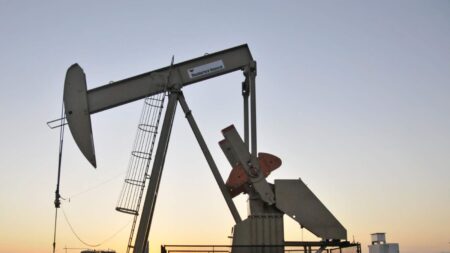
The global economy woke up to troubling news this week as oil prices experienced their sharpest increase in months following Iran’s military response to recent airstrikes. When Asian markets opened on Monday—the first major financial activity since Saturday’s escalation—traders watched nervously as Brent crude, the international benchmark that essentially sets the tone for global oil pricing, jumped an eye-watering 13% to reach $82 per barrel. This marked the highest price point we’ve seen since last July, sending ripples of concern through financial markets worldwide. The dramatic spike didn’t come entirely out of the blue, though. Friday’s trading session had already shown warning signs, with oil contracts climbing 1% as whispers circulated that peace negotiations between the United States and Iran were faltering. By the end of February, Brent crude had already climbed 8% higher, reflecting growing anxiety among traders about the region’s stability. What we’re witnessing now is the market’s immediate reaction to what many feared might happen—a significant military escalation that could threaten one of the world’s most critical energy supply routes and potentially ignite a broader conflict that would send energy prices spiraling even higher.
What Rising Oil Prices Mean for Everyday Life
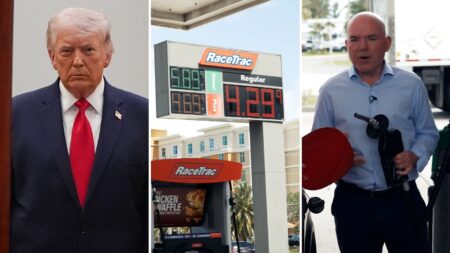
For ordinary people in the UK and around the world, these geopolitical tremors in the Middle East translate into very real financial pressures at home. British consumers can expect to see noticeably higher prices at the petrol pump before the month is out—an unwelcome development for households already stretched thin by years of elevated living costs. But the impact goes far beyond just filling up the car. Oil prices have a cascading effect throughout the entire economy, touching virtually everything we buy and use daily. Transportation costs rise, manufacturing becomes more expensive, and goods that need to be shipped anywhere become pricier. The timing couldn’t be worse, really. Economic forecasters had been cautiously optimistic that inflation—which has squeezed family budgets for the past few years—was finally set to ease significantly, largely because energy prices, particularly natural gas, had been trending downward. Now those predictions are being called into question. Just last week, the overwhelming majority of financial experts fully expected the Bank of England to cut interest rates at its meeting scheduled for just over two weeks from now. Lower interest rates would mean relief for mortgage holders and businesses looking to borrow. However, that confidence is now wavering as the uncertainty created by this conflict clouds the economic outlook and threatens to push inflation back upward when we desperately need it to come down.
The Critical Importance of Maritime Chokepoints
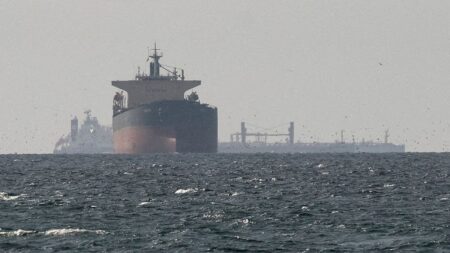
The Strait of Hormuz sits at the heart of global energy security concerns, and for good reason. This narrow waterway, squeezed between the Iranian coast and the United Arab Emirates, serves as the gateway through which roughly one-fifth of the world’s oil and natural gas supplies must pass. We’re talking about more than 20 million barrels of oil flowing through this channel every single day under normal circumstances. The geography makes it particularly vulnerable—at its narrowest point, the strait is just 21 miles wide, and when you account for islands in the channel, the navigable width shrinks to a mere eight miles in some places. Large tankers carrying millions of dollars worth of energy resources become sitting ducks in such confined waters. While Iran hasn’t yet made good on its earlier threats to completely close the strait, the current military actions have effectively created what amounts to a pause in normal shipping operations. Reports from the region indicate that at least three tankers have already been damaged by missile and drone strikes. Ship tracking data paints a revealing picture of the chaos: vessels that would normally transit through the area have instead made emergency dashes to safe anchorage, dropping anchor and waiting to see how the situation develops. New sailings are facing the prospect of dramatically increased insurance premiums—the kind of wartime coverage levels that can make shipping prohibitively expensive and ultimately drive up consumer prices for everything those ships carry.
Ripple Effects Across Global Shipping Networks
The disruption to shipping in the Gulf region extends beyond just oil tankers and creates complications that will be felt in ports around the world. Maritime industry experts report that shipping costs are climbing, at least in the short term, as the industry grapples with this new reality. Some vessels bound for Europe have been rerouted entirely, choosing to sail around the entire African continent rather than risk passage through the Suez Canal and into the conflict zone. This alternative route isn’t just slightly longer—it can add up to two full weeks to journey times, meaning delayed deliveries, higher fuel consumption, and increased labor costs, all of which ultimately get passed along the supply chain. According to Lloyd’s List, a respected maritime insurance industry news provider, approximately 170 container ships operating in the region had reported delays by Sunday evening. These aren’t just numbers on a tracking screen; each delayed ship represents thousands of containers filled with goods that businesses are waiting for and consumers have ordered. The knock-on effects can include inventory shortages, production delays for manufacturers waiting for components, and potentially empty shelves for certain products. We learned during the pandemic and subsequent supply chain crises just how interconnected global commerce has become, and how quickly disruptions in one region can cascade into problems worldwide.
How Financial Markets Are Responding
The broader financial markets are bracing for volatility as investors digest the implications of this escalating conflict. Early predictions suggested that London’s FTSE 100, which had just closed at a record high of 10,910 on Friday, would open down more than 0.9% on Monday, though such forecasts tend to shift as new information emerges before trading actually begins. Within this overall market uncertainty, however, there will be winners and losers among different sectors. Energy companies, somewhat paradoxically, stand to benefit from higher wholesale oil and gas prices, potentially seeing their stock prices rise even as the broader market falls. Mining companies focused on precious metals might also see gains as investors flee to traditional “safe haven” assets during times of geopolitical stress. On the flip side, airlines and hospitality groups face potentially sharp sell-offs. With flights grounded, airspace closed over parts of the Middle East, and reports that Iranian drones targeted UK military bases in Cyprus, the travel industry faces immediate headwinds. The timing is particularly unfortunate given that the lucrative Easter holiday period is approaching, and travel bookings that would normally be flowing in may instead turn into cancellations. Currency markets are also showing the stress, with the US dollar strengthening as investors seek stability. The British pound dropped by more than half a cent in early Asian trading, falling to just above $1.34—its weakest position since late January. Meanwhile, other traditional safe-haven currencies like the Japanese yen and Swiss franc gained ground as money flowed toward perceived safety.
Looking Ahead: Temporary Spike or Extended Crisis?
While the immediate price shock has been dramatic, some market observers suggest there are factors that might limit how long oil prices remain at these elevated levels. Members of OPEC+, the oil-producing alliance effectively controlled by Saudi Arabia, have reportedly responded to the conflict by pledging to increase production starting next month. Additional supply flowing into global markets could help moderate prices, assuming shipping routes remain at least partially functional. Gold, another classic refuge during uncertain times, climbed nearly 2% to trade above $5,360 per ounce, reflecting investor anxiety about what might come next. The fundamental question facing policymakers, businesses, and consumers alike is whether we’re looking at a temporary spike that will settle down once the immediate crisis passes, or the beginning of an extended period of elevated energy prices that could derail economic recovery and reignite the inflation that central banks have worked so hard to control. The answer depends largely on factors that remain unpredictable: How far will this military conflict escalate? Will diplomatic efforts succeed in bringing parties back to the negotiating table? Can shipping routes be secured and kept open? What we do know is that the global economy remains vulnerable to disruptions in this critical region, and the interconnected nature of modern commerce means that instability in the Middle East quickly translates into economic uncertainty everywhere else.