
How Will an Iran War Impact the Global Economy?
The Far-Reaching Economic Consequences of Military Conflict with Iran
The possibility of military conflict with Iran represents one of the most significant geopolitical risks facing the global economy today. While no one can predict with certainty whether such a conflict will occur, understanding the potential economic consequences is crucial for governments, businesses, and individuals alike. A war involving Iran would send shockwaves far beyond the Middle East, disrupting global energy markets, international trade routes, financial systems, and economic growth worldwide. The interconnected nature of today’s global economy means that even regional conflicts can trigger worldwide recessions, and Iran’s strategic position makes it particularly capable of causing extensive economic damage. From oil price spikes to supply chain disruptions, currency fluctuations to stock market crashes, the economic fallout from an Iran conflict could rival or exceed the impacts we’ve seen from previous Middle Eastern conflicts, potentially plunging the world into an economic crisis at a time when many nations are still recovering from recent financial challenges. Understanding these potential impacts isn’t about fear-mongering; it’s about being prepared and recognizing how deeply our economic lives are connected to geopolitical stability in regions thousands of miles away from where most of us live.
Energy Markets and the Oil Price Shock That Could Reshape Global Economics
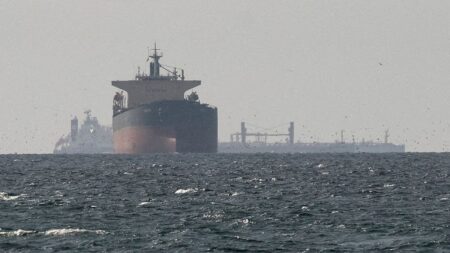
Perhaps the most immediate and dramatic economic impact of a war with Iran would be felt in global energy markets, particularly oil prices. Iran sits on approximately 9% of the world’s proven oil reserves and produces around 3-4 million barrels of oil per day, making it one of the world’s largest oil producers. But the real economic danger isn’t just Iran’s own production—it’s the country’s strategic position along the Strait of Hormuz, a narrow waterway through which roughly 21% of global petroleum passes daily. If Iran were to blockade, mine, or otherwise disrupt shipping through this critical chokepoint, the global oil supply could instantly contract by a fifth or more, sending prices skyrocketing to levels that would make previous oil shocks look modest by comparison. Economists estimate that oil prices could potentially double or even triple within days of a major conflict, surging from current levels to $150, $200, or even higher per barrel. Such a price spike would have cascading effects throughout the entire global economy. Transportation costs would explode, making everything from your morning commute to international shipping exponentially more expensive. Airlines would face bankruptcy-level fuel costs, potentially grounding flights and devastating the travel industry. Manufacturing costs would soar as energy-intensive industries struggle with production expenses. For ordinary people, this would translate into painful inflation at the gas pump, higher heating costs, and increased prices for virtually all goods that need to be transported—which is essentially everything we buy. Countries highly dependent on oil imports, particularly in Asia and Europe, would face potential energy crises, possibly requiring rationing or emergency measures. Even oil-producing nations wouldn’t be immune, as global economic slowdown would eventually reduce demand and create long-term market instability. The 1970s oil shocks, which triggered severe recessions and stagflation across Western economies, offer a historical preview of what an Iran-related energy crisis might look like, though today’s more interconnected global economy could amplify the effects even further.
Global Trade Disruption and Supply Chain Chaos in an Interconnected World
Beyond energy markets, a war with Iran would severely disrupt global trade and supply chains that have been carefully constructed over decades of globalization. The Strait of Hormuz isn’t just an oil transit point—it’s also a critical passage for container ships carrying manufactured goods, raw materials, and commodities between Asia, Europe, and the rest of the world. Any military conflict that closes or restricts this waterway would force ships to take much longer alternative routes around Africa, adding weeks to shipping times and dramatically increasing costs. Insurance premiums for ships in the region would skyrocket, if coverage could be obtained at all, further adding to transportation expenses. Container shortages, port congestion, and delivery delays would ripple through global supply chains, affecting everything from smartphone production to automobile manufacturing to retail inventory. We’ve already seen during the COVID-19 pandemic how supply chain disruptions can lead to empty store shelves and frustrated consumers—an Iran war could create similar or worse scenarios. Manufacturing hubs in China, Japan, South Korea, and Southeast Asia heavily depend on Middle Eastern oil and smooth maritime trade routes; disruptions would slow production and potentially idle factories employing millions of workers. European manufacturers would face similar challenges, as would American companies dependent on components and materials from Asia. The “just-in-time” inventory management that modern businesses rely on would collapse, forcing companies to either halt production or desperately seek alternative (and more expensive) suppliers and routes. Developing nations particularly dependent on food imports could face genuine humanitarian crises as grain shipments are delayed and prices increase. The global trading system, which has lifted billions out of poverty and created unprecedented prosperity, would face its most serious stress test in generations, potentially reversing years of economic integration and cooperation.
Financial Markets, Investment Collapse, and the Risk of Global Recession
The financial sector would experience immediate and severe turbulence in the event of an Iran conflict, with stock markets worldwide likely experiencing sharp declines as investors flee to safety. Historical patterns show that geopolitical crises trigger “risk-off” sentiment, where investors sell stocks, corporate bonds, and other growth-oriented assets in favor of safe havens like gold, government bonds, and the US dollar. A war with Iran would likely trigger one of the most severe flights to safety in modern history, potentially wiping trillions of dollars from global equity markets within days. Companies across virtually all sectors would see their valuations plummet—energy companies facing uncertain supply, airlines and transportation firms facing unsustainable fuel costs, manufacturing companies facing supply chain chaos, and retail businesses facing collapsing consumer confidence. The resulting wealth destruction would affect not just wealthy investors but ordinary people whose retirement accounts, pension funds, and savings are tied to market performance. Currency markets would experience extreme volatility, with oil-importing nations seeing their currencies weaken dramatically while safe-haven currencies strengthen, creating winners and losers in unpredictable ways. Developing nations with dollar-denominated debt would face potential sovereign debt crises as their currencies collapse and their ability to service foreign loans evaporates. The combination of soaring energy costs, disrupted trade, collapsing confidence, and financial market turmoil would almost certainly push the global economy into recession—defined as two consecutive quarters of economic contraction. Some economists warn that the recession could be severe and prolonged, potentially comparable to the 2008 financial crisis or worse, with unemployment rising sharply as businesses cut costs, consumer spending falling as people worry about their financial futures, and governments struggling to respond effectively while dealing with war-related expenditures. Developing economies would be hit especially hard, potentially experiencing depressions rather than mere recessions, reversing years of poverty reduction and development progress.
Government Spending, Debt, and the Long-Term Fiscal Consequences of Conflict
Wars are extraordinarily expensive, and a conflict with Iran would impose massive fiscal burdens on the countries involved, particularly the United States. The wars in Iraq and Afghanistan together cost American taxpayers somewhere between $4 trillion and $6 trillion when all direct and indirect costs are tallied, and a war with Iran—a larger, more populous, and more militarily capable country—could easily exceed those figures. Military operations, from missile strikes to troop deployments to naval operations, consume resources at a staggering rate, with advanced weapons systems costing millions of dollars per unit and daily operational expenses running into the billions. Beyond the direct military costs, governments would likely need to implement economic stimulus and relief programs to cushion their economies from war-related shocks—subsidizing fuel costs, supporting struggling industries, extending unemployment benefits, and providing emergency assistance to affected sectors. These emergency measures, while necessary to prevent complete economic collapse, would dramatically increase government deficits and national debt at a time when many countries are already carrying historically high debt loads from pandemic-era spending. Higher government borrowing would eventually lead to higher interest rates as debt markets demand greater returns for increased risk, making it more expensive for businesses and individuals to borrow for productive investments like new factories, home purchases, or education. The “crowding out” effect, where government borrowing reduces funds available for private investment, would slow long-term economic growth and innovation. Countries would face difficult choices between maintaining war efforts, supporting their struggling economies, and keeping their fiscal houses in order—with no good options available. The long-term economic consequences could include austerity measures, higher taxes, reduced public services, and a generation of diminished economic prospects, particularly for young people entering a weak job market with reduced opportunities.
Human Costs and the Economic Impact on Ordinary Lives Worldwide
While economists and policymakers discuss oil prices, GDP figures, and market indices, the real economic impact of an Iran war would ultimately be measured in how it affects the daily lives of ordinary people around the world. For families in countries directly involved in the conflict, the costs would be immediately devastating—loved ones deployed to dangerous combat zones, communities living under the threat of missile attacks or terrorism, and the psychological trauma that accompanies war. But even for people thousands of miles from any battlefield, the economic consequences would reshape daily life in painful ways. Imagine paying twice as much to fill your gas tank, with that increase rippling through your entire budget as grocery prices rise, utility bills increase, and your commute becomes financially unsustainable. Parents would face impossible choices between heating their homes adequately and buying sufficient food for their children. Small businesses operating on thin profit margins would face bankruptcy as costs rise and customer spending falls. Workers in affected industries—airlines, hospitality, manufacturing, retail—would face layoffs and reduced hours, joining unemployment lines and struggling to make mortgage or rent payments. Retirement accounts that people have spent decades building would lose substantial value, forcing older workers to delay retirement and younger workers to question whether financial security is even achievable. Students would graduate into a weak job market with limited opportunities, potentially affecting their lifetime earning trajectories. In developing countries, the impacts would be even more severe, with hunger, poverty, and desperation increasing as food and fuel prices surge beyond what ordinary families can afford. Political instability often follows economic crisis, potentially leading to protests, civil unrest, and governmental collapse in fragile states. The human dimension of economic disruption is ultimately about dashed hopes, delayed dreams, increased stress and anxiety, family conflicts over money, health problems from inadequate nutrition or heating, and the general erosion of quality of life that happens when economic security disappears. These human costs, while harder to quantify than stock market movements or GDP figures, represent the true price of war—paid not by politicians or generals, but by ordinary people trying to build decent lives for themselves and their families in an increasingly uncertain and dangerous world.