
Oil Prices Surge as Iran’s Strategic Attacks Target Middle East Energy Infrastructure
A Crisis Unfolds in Global Energy Markets
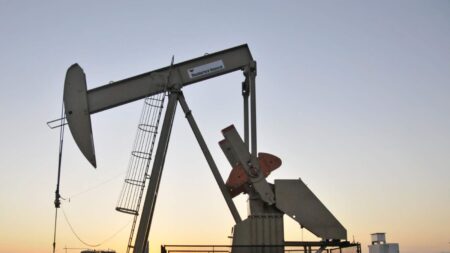
The world is witnessing a dramatic escalation in energy market tensions as Iran’s calculated attacks on Middle East oil and gas infrastructure have propelled crude oil prices back above the psychologically significant $100 per barrel threshold. Market experts aren’t just concerned about immediate price spikes—they’re increasingly worried about lasting damage to the region’s energy production capabilities that could reshape global supply chains for years to come. Brent crude briefly touched $101 overnight following reports of widespread destruction affecting key energy facilities across the Gulf region, both onshore installations and maritime infrastructure. What makes this situation particularly alarming is the systematic nature of these attacks, suggesting a deliberate strategy to cripple the region’s energy export capabilities. The reverberations are already being felt worldwide, from gas stations in London to manufacturing plants across Europe, as the true scale of disruption becomes apparent and markets grapple with an uncertain future.
Direct Strikes and Immediate Consequences
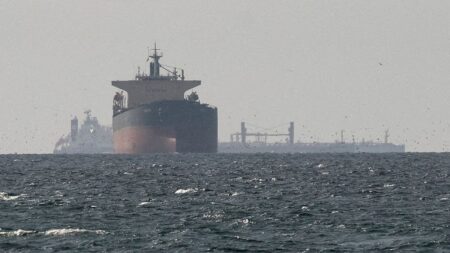
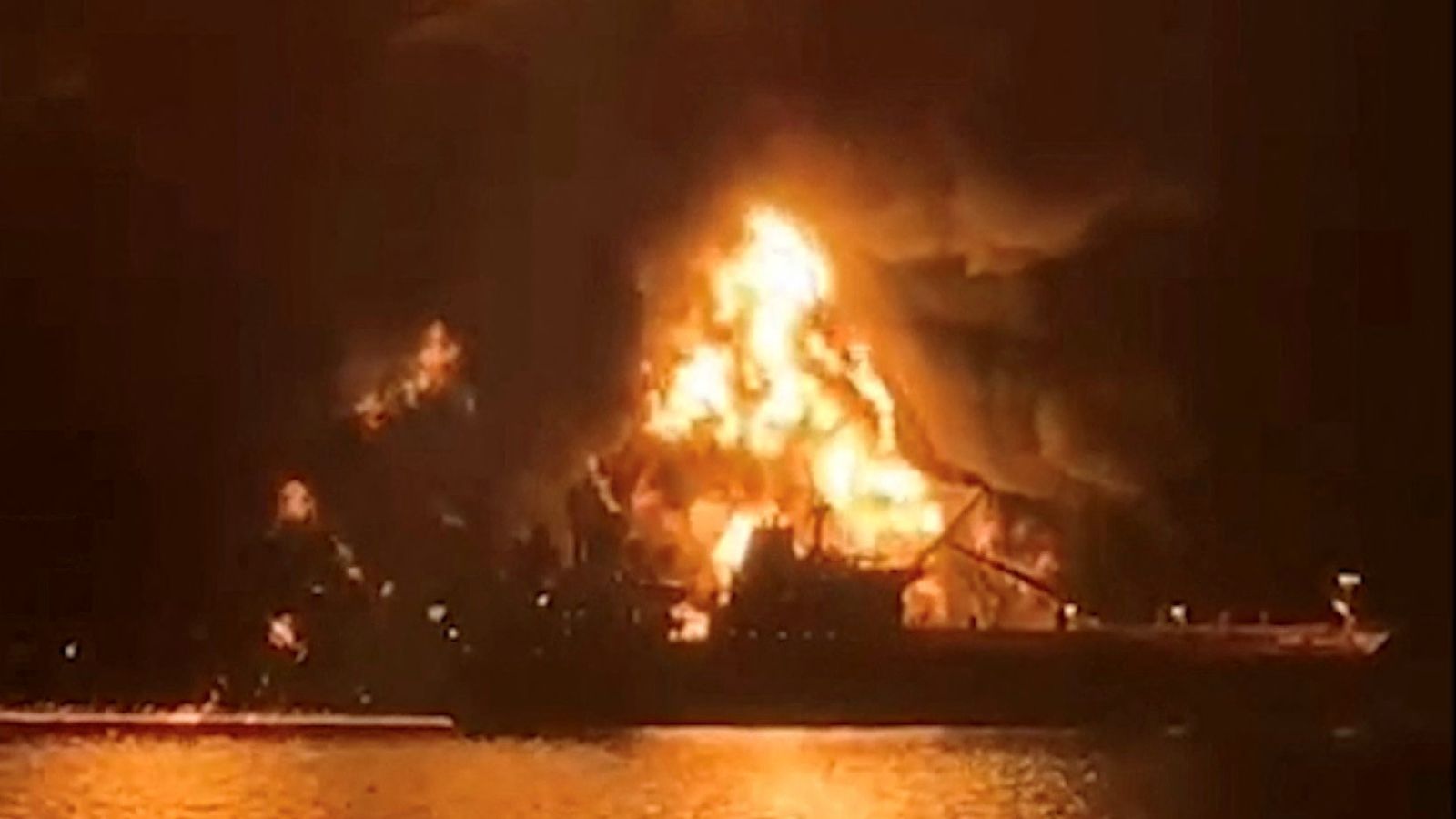
The most striking incident that captured international attention involved a brazen Iranian assault on two fuel tankers operating in Iraqi territorial waters near Basra. The attackers employed explosive-laden boats in what appears to be a coordinated operation designed to maximize damage and send a clear message about Iran’s reach and capabilities. The immediate response from Iraq was swift and significant—authorities suspended all operations across the country’s oil ports, effectively shutting down a crucial node in global energy distribution. But the attacks didn’t stop there. Reports emerged throughout Thursday of additional strikes affecting Dubai and Bahrain, painting a picture of coordinated assaults across multiple Gulf nations. Industry analysts are pointing out that this isn’t random violence—it’s a calculated campaign targeting the energy sector specifically. This strategic focus raises troubling questions about Iran’s long-term objectives and the potential for sustained disruption. The concern among experts is that even after hostilities eventually cease, the physical damage to critical infrastructure could take months or even years to fully repair, creating a prolonged period of reduced output that will fundamentally alter global energy flows.
The Strait of Hormuz: A Chokepoint Under Siege
At the heart of this crisis lies the Strait of Hormuz, one of the world’s most critical maritime passages for energy transportation. The effective closure of this vital shipping route has dealt a devastating blow to global supply, cutting off approximately one-fifth of the world’s oil and natural gas deliveries. To put this in perspective, this narrow waterway normally facilitates the passage of tankers carrying roughly 21 million barrels of oil per day—about 21% of global petroleum consumption. Its closure represents the single largest disruption to energy markets since records began. The International Energy Agency’s latest monthly report didn’t mince words, declaring that “the war in the Middle East is creating the largest supply disruption in the history of the global oil market.” Their analysis estimates the damage at roughly eight million barrels of oil per day lost this month alone, with a staggering 10% of total world production knocked offline due to emergency shutdowns. These aren’t just numbers on a spreadsheet—they represent heating oil for homes, fuel for transportation, and feedstock for countless industries that keep modern civilization running.
Global Response and Market Dynamics
In response to this unprecedented crisis, the International Energy Agency coordinated what amounts to a historic intervention in global oil markets. More than thirty nations agreed to tap their strategic petroleum reserves, releasing a record 400 million barrels to partially compensate for lost supplies. This announcement initially helped bring prices down from their peak of $118 per barrel on Monday, offering brief hope that coordinated international action could stabilize the situation. However, Wednesday’s confirmation that this stored oil would be gradually introduced—rather than immediately flooding the market—failed to push prices lower as traders recognized the scale of the challenge. The intensification of attacks became clear even as officials were announcing the reserve releases, undermining confidence that this measure alone could solve the problem. By Thursday afternoon, Brent crude was trading just below the $100 mark, having barely retreated from overnight highs. The reality setting in among traders is sobering: there simply isn’t enough oil in strategic reserves for a second massive release of this magnitude, meaning the world’s cushion against further disruption is now significantly thinner than it was just days ago.
Cascading Economic Consequences
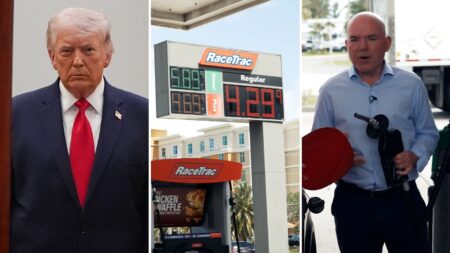
The impacts of these energy market disruptions extend far beyond the price displayed at the pump, though those effects are certainly visible and painful. In the United Kingdom, diesel prices have already jumped 9% on average since the conflict began, while wholesale gas costs surged more than 4% in a single day—a staggering 74% increase over the course of the month. British households are somewhat insulated for now, as the energy price cap adjustment covering April through June was set before hostilities erupted. However, anyone seeking new fixed-rate energy contracts will face these elevated costs immediately. The more insidious threat lies in secondary effects rippling through entire economies. Higher energy costs don’t exist in isolation—they flow through supply chains like poison through veins, raising production costs for manufacturers, transportation expenses for logistics companies, and operational costs for service providers. Everything from the plastic in your smartphone to the delivery of your online shopping order depends on affordable energy. As these costs inevitably get passed along to consumers, inflation threatens to spike once again, potentially forcing central banks like the Bank of England to raise interest rates further to prevent price growth from becoming permanently embedded in economic expectations. Higher borrowing costs would then squeeze household budgets from another direction entirely, creating a painful pincer movement on living standards.
Uncertain Future and Contradictory Messages
Perhaps the most troubling aspect of the current situation is the growing disconnect between political rhetoric and ground-level reality. Former President Donald Trump has made statements suggesting that US military objectives are nearly complete and the war is approaching its conclusion. Yet Iran’s continued attacks on energy infrastructure tell a very different story—one of an adversary far from defeated and willing to strike at the economic jugular of both regional rivals and the broader international community. Market analyst Neil Wilson of Saxo captured the skepticism pervading trading floors when he noted that while the IEA’s reserve release was significant, “it’s going to be hard to do much more,” adding sarcastically, “but it’s ok because Trump said ‘we’ve won.'” His pointed observation that “markets are going to increasingly discount remarks like these the longer the shooting continues” reflects a broader truth: financial markets ultimately respond to facts on the ground, not political spin. The critical question facing analysts is how long these disruptions will persist, as duration will prove decisive in determining both immediate price trajectories and long-term structural changes to energy markets. The growing consensus among experts is deeply concerning—recovery will take considerably longer than initially hoped because the physical damage is more extensive than early reports suggested, production infrastructure has been deliberately targeted for maximum impact, and there are insufficient reserve stocks available for another major intervention should the situation deteriorate further. The world is entering uncharted territory in energy markets, and nobody can say with confidence when or how this crisis will ultimately resolve.