


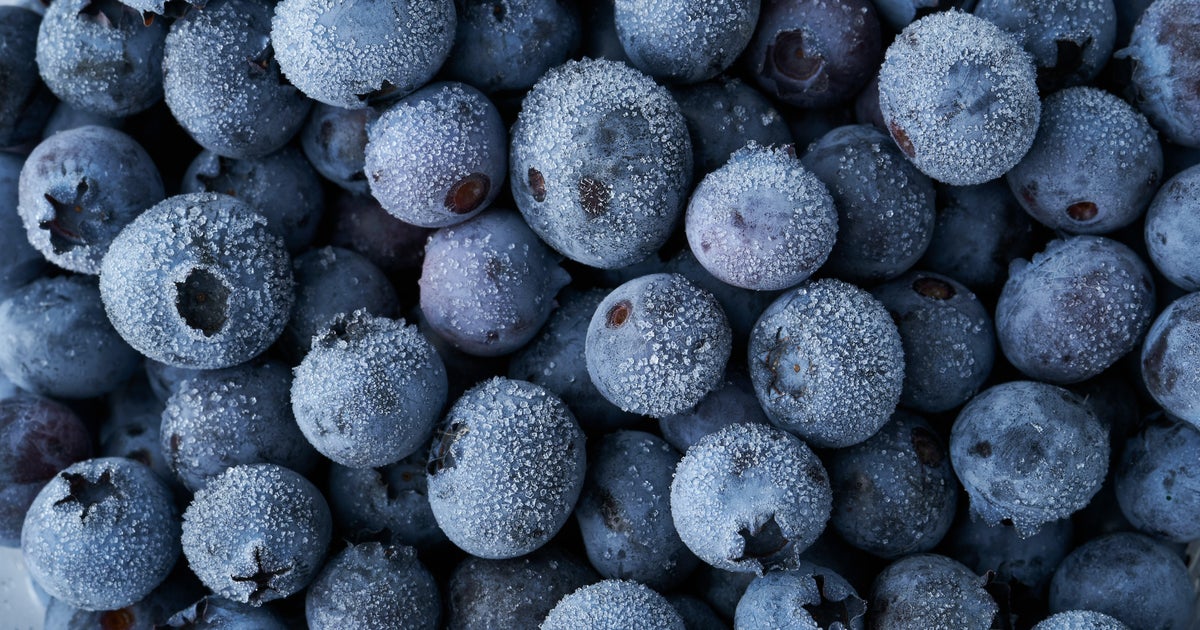

Oregon Company Recalls Thousands of Pounds of Frozen Blueberries Over Listeria Concerns
Understanding the Recall and Its Scope
A significant food safety issue has emerged from Oregon, where a local company specializing in frozen produce has initiated a massive recall affecting nearly 56,000 pounds of frozen blueberries. The Oregon Potato Company, despite its name suggesting a focus on potatoes, also produces various frozen fruit and vegetable products. The company discovered potential contamination with Listeria, a dangerous bacterium that can cause serious illness and even death in vulnerable populations. What started as a voluntary recall on February 12th quickly escalated when federal regulators reviewed the situation and determined it warranted the highest level of concern. By Tuesday of this week, the U.S. Food and Drug Administration elevated the recall to “Class I” status, their most serious classification. This designation isn’t given lightly—it indicates that health officials believe there’s a reasonable probability that consuming these blueberries could result in serious adverse health consequences or death. The affected products were distributed across multiple states including Michigan, Oregon, Washington, and Wisconsin, as well as reaching customers across the border in Canada. This wide distribution pattern underscores the potential reach of the contamination and why federal authorities acted swiftly to upgrade the recall classification.
Who Is Affected and How to Identify Recalled Products
One reassuring aspect of this recall is that the frozen blueberries in question were not sold directly to consumers through typical retail grocery stores. According to the FDA’s announcement, these products went through different distribution channels, though the specific nature of those channels hasn’t been fully disclosed. This could mean the blueberries were sold to food service operations, manufacturers who use them as ingredients in other products, or through specialized wholesale channels. However, the fact that they weren’t in regular retail stores doesn’t mean consumers couldn’t have purchased them—they may have reached individuals through restaurant suppliers, food co-ops, bulk purchasing clubs, or other alternative sources. For anyone who may have purchased large quantities of frozen blueberries recently, especially from non-traditional sources, checking the product details is crucial. The recalled items were sold in two distinct packaging formats: smaller 30-pound cases and much larger 1,400-pound totes. The 30-pound cases bear lot codes 2055 B2, 2065 B1, and 2065 B3, while the massive 1,400-pound totes carry lot codes 3305 A1 and 3305 B1. Anyone who has product matching these specific lot codes should immediately stop using the blueberries and follow proper disposal procedures or return protocols.
The Serious Health Risks of Listeria Contamination
Understanding why this recall received such a serious classification requires knowing what Listeria is and why it poses such a significant public health threat. Listeria monocytogenes is a type of bacteria that can survive and even grow in cold temperatures, which makes it particularly problematic for refrigerated and frozen foods that people often assume are safe simply because of how they’re stored. Unlike many other foodborne pathogens that are neutralized by cold, Listeria can persist in freezers and refrigerators, waiting to infect unsuspecting consumers. For many healthy adults, Listeria exposure might result in relatively mild symptoms—fever, muscle aches, nausea, and diarrhea that could be mistaken for a common stomach bug or flu. These symptoms typically appear within a few days to a few weeks after consuming contaminated food, and most healthy individuals recover without specific treatment. However, for certain vulnerable populations, Listeria infection can be devastating. Pregnant women face particular risks because Listeria can cross the placental barrier and infect the developing fetus, potentially causing miscarriage, stillbirth, premature delivery, or life-threatening infection in the newborn. Older adults, especially those over 65, face increased risks because their immune systems naturally weaken with age, making them less able to fight off the infection. People with compromised immune systems due to conditions like HIV/AIDS, cancer treatments, diabetes, or organ transplants are similarly vulnerable. In these high-risk groups, Listeria can cause invasive listeriosis, where the infection spreads beyond the gastrointestinal tract to the bloodstream or nervous system, causing severe illness, meningitis, or even death.
The Company’s Response and Communication Gaps
The Oregon Potato Company initiated this recall independently on February 12th after apparently discovering the potential for Listeria contamination, though the exact circumstances that led to the discovery haven’t been publicly disclosed. The contamination might have been detected through routine testing, following an illness report, or during a facility inspection—the company has not provided those details. In fact, communication from the Oregon Potato Company has been notably limited throughout this situation. When contacted by media outlets for additional information about the recall, the circumstances that led to it, whether any illnesses have been reported, and what steps the company is taking to prevent future contamination, the company did not respond. This silence is unfortunate because transparency during food safety crises helps build public trust and ensures that consumers have the information they need to protect themselves. Without detailed information from the company, consumers are left with only the basic facts provided by the FDA: what products are affected, where they were distributed, and the potential health risks. Important questions remain unanswered: How was the contamination discovered? Has anyone become ill from these blueberries? What corrective actions has the facility taken? How can consumers who may have purchased these products get refunds or replacements? The lack of response to these fundamental questions leaves information gaps that can fuel anxiety and uncertainty among consumers who may have been exposed.
What Consumers Should Do If They Have Affected Products
If you have any reason to believe you might have purchased or received frozen blueberries that could be part of this recall, taking immediate action is essential. First, check any frozen blueberries in your possession against the specific lot codes mentioned in the recall: for 30-pound cases, look for codes 2055 B2, 2065 B1, or 2065 B3; for the much larger totes, check for 3305 A1 or 3305 B1. These codes are typically printed on the packaging and may be accompanied by production dates or other identifying information. If you find matching products, do not consume them under any circumstances, and do not simply throw them in your regular trash where someone else might retrieve them. The safest approach is to seal the product in a plastic bag and dispose of it in a secure manner, or return it to the place of purchase for a refund if that option is available. Even if you’ve already consumed some of the blueberries from an affected lot, knowing this information is valuable—you can monitor yourself for symptoms and seek medical attention promptly if they develop. Contact your healthcare provider if you experience fever, muscle aches, nausea, or other concerning symptoms, especially if you’re pregnant, over 65, or have a weakened immune system. Make sure to mention your potential exposure to recalled blueberries, as this information can help your doctor make a faster, more accurate diagnosis and begin appropriate treatment if necessary. Additionally, you might want to contact the location where you purchased the blueberries to ask about their recall procedures and whether they have additional information about affected products.
Broader Context and Food Safety Lessons
This recall serves as an important reminder of the complex systems that bring food from farms and processing facilities to our tables, and the multiple points where contamination can occur. Frozen fruits like blueberries might seem inherently safe because of the freezing process, but freezing doesn’t kill bacteria—it merely puts them in a dormant state. When the product is thawed and consumed, any bacteria present can become active again and cause infection. This is why proper handling practices throughout the supply chain are so critical. Processing facilities must maintain rigorous sanitation standards, regularly test for pathogens, and ensure that equipment and surfaces are properly cleaned and sanitized. The fact that this recall was classified as Class I by the FDA reflects how seriously federal regulators take Listeria contamination, given the severe consequences it can have for vulnerable populations. For consumers, this situation underscores several important food safety practices: always wash fruits and vegetables, even frozen ones that you plan to cook; be aware of recalls by checking the FDA website regularly or signing up for recall alerts; pay attention to lot codes and expiration dates on products; and never ignore symptoms that could indicate foodborne illness, especially if you’re in a high-risk category. While it’s impossible to eliminate all food safety risks, staying informed and following proper food handling procedures can significantly reduce your chances of experiencing a foodborne illness.