

State Pension Increases by £575: What This Means for Britain’s Retirees
A Significant Boost for Pensioners Across the UK
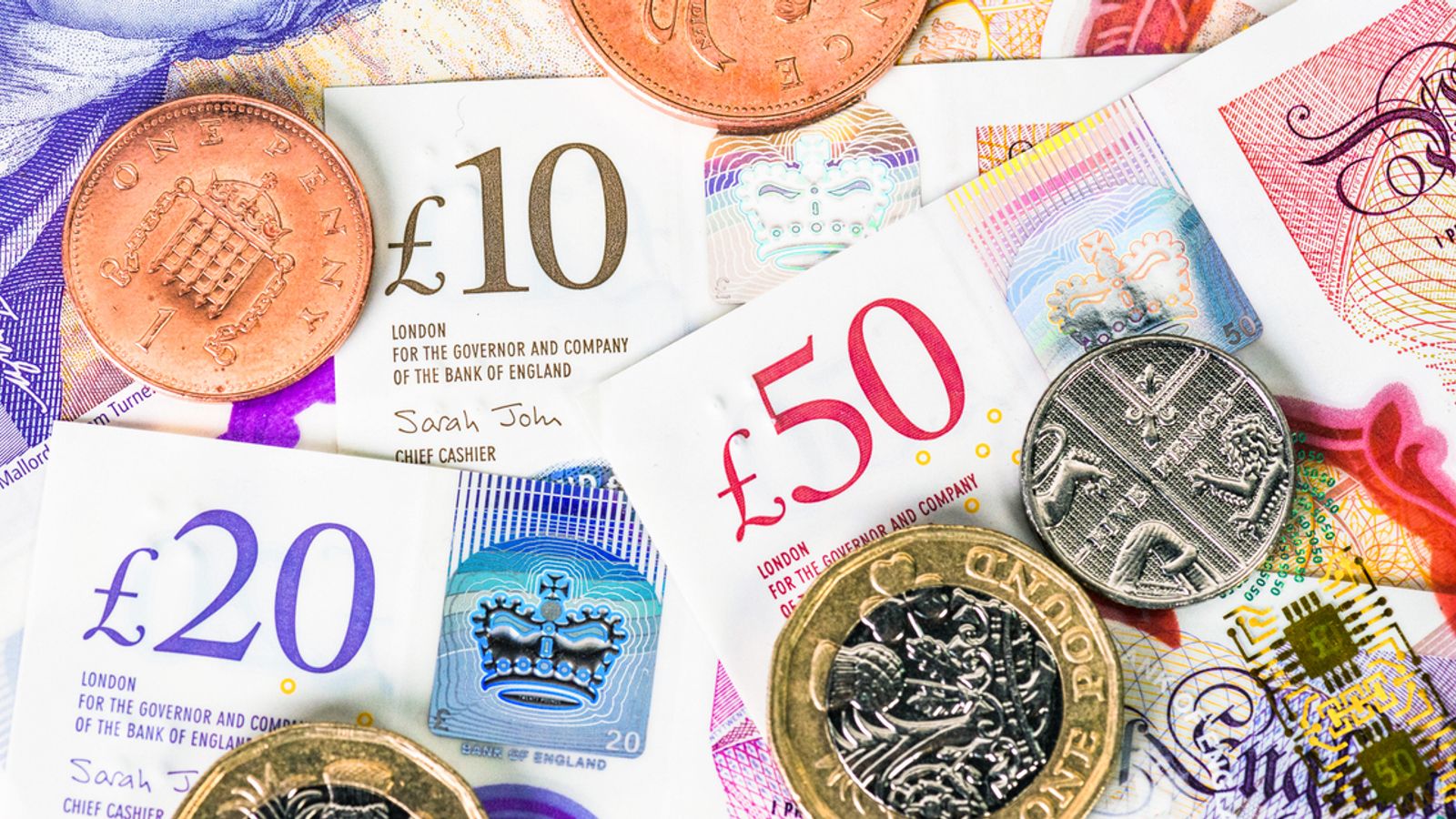
Starting tomorrow, over 12 million pensioners across the United Kingdom will notice a welcome increase in their state pension payments. Thanks to the triple lock guarantee, state pensions are rising by 4.8%, which translates to an annual increase of £575 for those receiving the full new state pension. This automatic adjustment, which happens every April, ensures that pensions increase by whichever is highest among three measures: the rate of inflation, average wage growth, or a baseline of 2.5%. This year’s increase reflects average earnings growth and will see the full rate of the new state pension jump from £230.25 to £241.30 per week. For those on the older basic state pension scheme, payments will increase from £176.45 to £184.90 weekly. The government has positioned this commitment as a crucial measure to help pensioners weather ongoing cost of living pressures, providing financial security during uncertain economic times when many households are feeling the pinch from rising prices across essential goods and services.
Understanding the Triple Lock and Its Impact
The triple lock guarantee has become one of the most politically sacred commitments in British policy, designed to ensure that pensioners don’t fall behind financially as the economy changes. The mechanism is straightforward: each year, the government examines three key economic indicators—inflation rates, average wage increases, and a fixed 2.5% benchmark—and increases state pensions by whichever figure is highest. This year’s 4.8% increase is based on average earnings growth, which outpaced both inflation and the minimum 2.5% threshold. For recipients, this means tangible relief in their weekly budgets. An extra £11.05 per week for those on the new state pension might not seem enormous at first glance, but it accumulates to £575 annually—money that can make a real difference when covering heating bills, groceries, or medical expenses. Work and Pensions Secretary Pat McFadden emphasized the government’s commitment to protecting pensioners, acknowledging that global economic shocks continue to create anxiety for many households. The timing of this increase is particularly relevant as international events, including the Iran conflict causing oil prices to surge, are directly affecting British consumers through higher costs at petrol pumps and throughout the supply chain.
Growing Criticism and the Cost to Public Finances
Despite the political popularity of the triple lock, not everyone agrees it represents sound long-term policy. Prominent critics, including the influential Institute for Fiscal Studies (IFS), have called for the triple lock to be scrapped and replaced with “a better approach.” The IFS has raised concerns about the substantial and growing impact this policy has on public finances, particularly as Britain’s population continues to age and more people become eligible for state pensions. According to their analysis, the Office for Budget Responsibility estimates that spending on state pensions will increase by approximately £80 billion in today’s terms by the 2070s, with over half of this increase directly attributable to the triple lock mechanism. The thinktank warns that in a volatile economic environment, the triple lock could cost an additional 1.5% of national income—equivalent to £44 billion in 2025 terms—on top of already projected increases. This presents a significant policy dilemma: while protecting pensioners from financial hardship is widely viewed as morally right and politically essential, the fiscal sustainability of the current system faces serious questions as demographic trends point toward an increasingly elderly population supported by a proportionally smaller working-age taxpayer base.
Political Commitment Across Party Lines
The political consensus around maintaining the triple lock remains remarkably strong, even in the face of fiscal concerns. Earlier this week, Reform UK became the latest major British political party to commit to preserving the pension triple lock, joining Conservatives, Labour, and Liberal Democrats in pledging not to tamper with this popular benefit. At a news conference, Reform UK’s economics spokesperson Robert Jenrick outlined his party’s approach to funding this commitment, suggesting it would be achieved through cutting the benefits bill by billions of pounds—though the specifics of which benefits would face reductions and how this would affect vulnerable populations remain unclear. This cross-party support reflects the political reality that pensioners represent a significant voting bloc, and any party perceived as threatening their financial security risks severe electoral consequences. However, this political calculus creates a policy environment where difficult conversations about fiscal sustainability are often avoided or postponed, potentially storing up larger problems for future governments. The challenge facing policymakers is finding ways to provide adequate support for retirees while ensuring the system remains affordable and fair to younger generations who will both fund current pensions through their taxes and eventually rely on the system themselves.
The Broader Economic Context
The pension increase arrives during a period of considerable economic uncertainty and pressure on household budgets across all age groups. While pensioners benefit from the triple lock protection, working-age households face their own financial challenges, including stagnant wage growth in many sectors, rising housing costs, and the same increases in energy and food prices that affect everyone. Six significant tax changes are also coming into force this month, adding another layer of financial adjustment for many families. The surge in global oil prices, driven partly by geopolitical tensions including the Iran conflict, is creating a ripple effect throughout the economy, with motorists paying more at the pump and transportation costs affecting the price of goods throughout the supply chain. In this context, the government’s commitment to protecting pensioners takes on additional significance—it represents a deliberate policy choice to prioritize one demographic group’s financial security even as others struggle. This raises complex questions about intergenerational fairness and resource allocation during economically challenging times. While few would argue against supporting elderly citizens who have contributed throughout their working lives, the sustainability of this approach depends on maintaining a healthy economy with sufficient tax revenue to fund these commitments without overburdening younger workers or cutting other essential services.
Looking Ahead: Sustainability and Fairness
As we look toward the future, the debate around the pension triple lock will likely intensify. The immediate £575 annual increase provides real, tangible support to millions of pensioners who rely on their state pension as a primary or significant income source. For many elderly Britons, this increase offers peace of mind and a modest buffer against rising costs. However, the longer-term questions raised by organizations like the Institute for Fiscal Studies cannot be dismissed. With an aging population and the projected costs mounting significantly over coming decades, policymakers will eventually need to confront difficult choices about how to balance generosity toward current pensioners with fairness to future generations and fiscal responsibility. Potential reforms might include adjusting the triple lock mechanism to be less generous during periods of exceptional wage growth, means-testing pension increases so that wealthier pensioners receive smaller increases, or raising the state pension age further to reflect increasing life expectancy. Whatever approach future governments take, they will need to navigate the challenging political terrain of reforming a popular benefit while maintaining adequate support for elderly citizens, many of whom have limited ability to supplement their income through work. The current £575 increase demonstrates that for now, political commitment to the triple lock remains solid across the spectrum, but the underlying fiscal pressures suggest that this may be one of the defining policy debates of the coming decades as Britain grapples with demographic change and its economic implications.