

Devastating Wildfires Ravage South Georgia: A Community in Crisis
When Home Becomes Ashes: Stories of Survival and Loss
The nightmare unfolded in the worst possible way for Anna Dudek. As flames approached her family’s property in south Georgia, she made the heart-wrenching decision that no parent wants to face—grabbing her four children and ten dogs and fleeing to Florida for safety. But even hundreds of miles away, she couldn’t escape what was happening back home. Through the modern lens of Ring security cameras, she watched helplessly as fire consumed everything she knew as home. The moment both camera feeds went dark, cutting to black screens, reality hit with devastating force. “When both of my devices were offline, and it was black and I couldn’t see no more, it was so gut-wrenching because then I knew, like, they got … what I call home,” Dudek shared with reporters, her words carrying the weight of profound loss. Her story represents just one of over 100 families whose homes have been destroyed by two massive wildfires that have transformed south Georgia into a disaster zone, scorching more than 40,000 acres of land and leaving devastation in their wake.
The Perfect Storm: Drought Turns Georgia into a Tinderbox
The catastrophic fires didn’t emerge from nowhere—they’re the result of extreme drought conditions that have turned the region into what firefighters grimly call a “tinderbox.” The lack of rainfall has left vegetation bone-dry, creating ideal conditions for fires to ignite and spread with terrifying speed. What makes this situation particularly dangerous is how quickly new fires continue to spark across rural south Georgia, even as firefighters battle to contain existing blazes. The two largest fires—the Brantley Highway 82 Fire and the Pineland Road Fire—have become the focal points of emergency response efforts. By Saturday, the Brantley County fire had consumed more than 9,500 acres, while the even larger Pineland Road fire in Clinch County had exploded to cover more than 31,000 acres as of Friday. Governor Brian Kemp, who toured the damage and met with exhausted first responders on Friday, revealed that federal authorities have designated these two fires as the “most dangerous, biggest, problematic fires anywhere” in the entire country. Perhaps most striking is how one of these infernos began—investigators believe the Brantley Highway 82 fire was sparked when a party balloon drifted into a power line, creating a spark that would ultimately destroy homes and businesses. This seemingly innocent object became the catalyst for unimaginable destruction, a reminder of how vulnerable drought-stricken areas are to even the smallest ignition source.
Dreams Reduced to Rubble: The Human Cost Beyond Statistics
Behind every statistic of destroyed property lies a human story, and few are more heartbreaking than that of Jesse Morgan. For nearly three decades, Morgan poured his heart and soul into building his automotive business, which he founded back in 1996. Through years of hard work, long hours, and dedication to his customers, he created something that was more than just a livelihood—it was his legacy, his contribution to the community, and his future security. Then the fires came, and everything he’d built over 28 years was gone. The cruel twist in Morgan’s story came when his insurance company denied his claim, invoking the “acts of God” clause that excludes coverage for natural disasters. Now facing financial ruin through no fault of his own, Morgan finds himself in an impossible position. Despite desperately needing assistance, his pride makes it difficult to ask for help. “I definitely could use some help,” he admitted to reporters, the conflict evident in his voice. “But I’m, you know, I guess my pride is too much. I’m not gonna get out there and ask for it.” His words reflect a sentiment common in many rural communities—a fierce independence and reluctance to seek charity, even when circumstances are dire. Morgan’s situation highlights a broader issue facing disaster victims: the gap between what insurance covers and the actual costs of rebuilding lives after catastrophic events.
Fighting an Unrelenting Enemy: The Battle to Contain the Flames
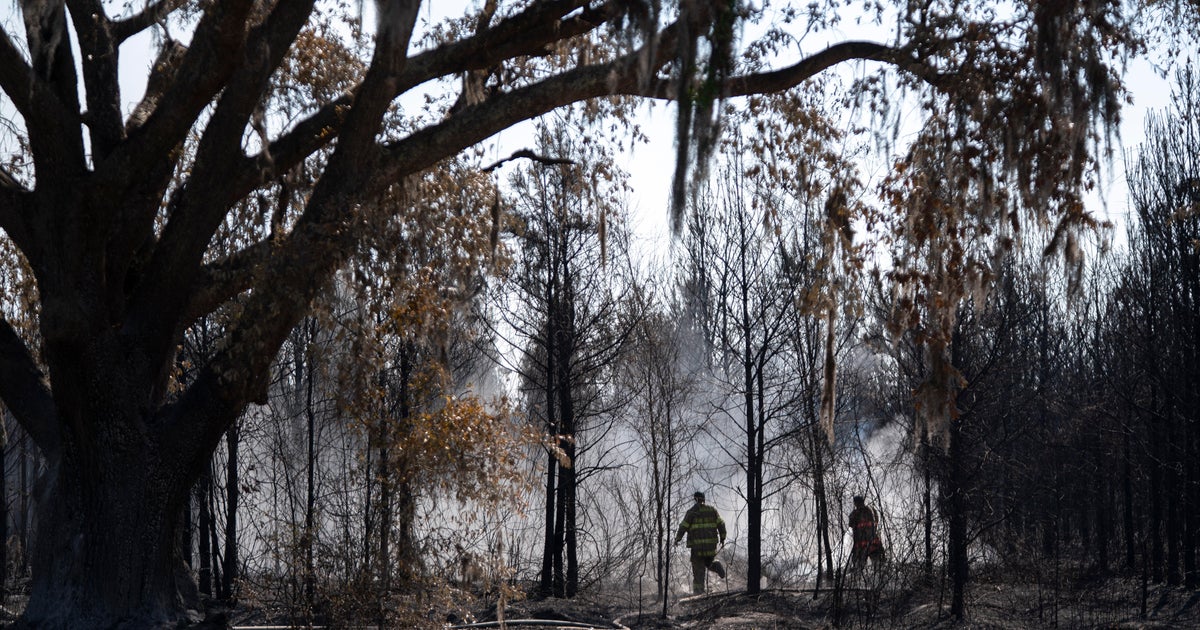
As Governor Kemp surveyed the devastation, his message to residents was both honest and sobering. The firefighters and emergency responders working around the clock to battle these blazes are doing everything humanly possible, but they’re fighting against nature itself. “We need a change in the weather, but until we get that, we’re just going to stay after these fires and do everything we can to get them contained,” Kemp stated during a press conference. His words acknowledge a difficult truth—without rain or significant weather changes, these fires will continue to pose an extreme threat. Fire activity was projected to remain dangerously high throughout the weekend, meaning more sleepless nights for firefighters and more anxiety for residents wondering if their homes would be next. The images emerging from the fire zones paint a picture of apocalyptic conditions: orange skies, smoke-choked air, and exhausted firefighters working to extinguish hot spots that could reignite into full-blown blazes. The scope of the disaster has required coordination between local, state, and federal agencies, with resources being pooled to combat fires that seem to have an endless appetite for destruction. These brave first responders face not only the immediate danger of the flames but also the physical toll of working in extreme heat, breathing smoke-filled air, and operating on minimal rest.
A Community Transformed: When Nature Becomes the Enemy
The rural communities of south Georgia have always had a close relationship with the land—it’s where families have lived for generations, where children played in yards shaded by old trees, where neighbors knew each other by name. Now, that landscape has been transformed into something unrecognizable and hostile. Overnight fires continue to spark in areas already stressed by drought, creating a situation where residents live in constant fear and uncertainty. The psychological impact of watching your community burn cannot be overstated. For those who evacuated, there’s the agonizing wait to learn if their homes survived. For those who stayed, there’s the terror of seeing flames on the horizon and wondering if they’ll need to flee. And for those like Anna Dudek, who watched remotely as fire consumed their homes, there’s a unique kind of trauma—witnessing destruction in real-time but being powerless to stop it. The loss extends beyond physical structures; it’s the family photos that can never be replaced, the heirlooms passed down through generations, the sense of security that comes from having a place to call home. It’s also the collective trauma of a community watching itself burn, knowing that even after the flames are extinguished, recovery will take years and some things will never be the same.
The Long Road Ahead: Recovery and Resilience
As firefighters continue their exhausting battle against the flames and officials assess the full extent of the damage, south Georgia faces a long and difficult recovery process. The immediate priority remains containing the fires and preventing further loss of life and property, but questions about the future loom large. How will families like Anna Dudek’s rebuild when they’ve lost everything? What happens to business owners like Jesse Morgan whose insurance won’t cover their losses? How will communities recover economically when so much infrastructure has been destroyed? The answers won’t come quickly or easily. Disaster recovery is a marathon, not a sprint, requiring sustained support from government agencies, charitable organizations, and the broader community. There will need to be discussions about building codes and fire-resistant construction methods, about land management practices that could reduce fire risk, and about ensuring insurance policies actually protect people when disasters strike. But perhaps most importantly, there needs to be recognition of the human beings behind the statistics—the families displaced, the business owners facing financial ruin, the children who’ve lost their homes, and the first responders risking their lives. Governor Kemp’s acknowledgment that officials will “stay after these fires and do everything we can to get them contained” offers some reassurance, but residents need to know that commitment will extend beyond firefighting to long-term recovery support. South Georgia’s ordeal reminds us that climate-related disasters are becoming more frequent and severe, and communities need not just emergency response capabilities but also resilience-building measures that help them withstand and recover from such events. As new fires continue to spark overnight and fire activity remains extremely high, the people of south Georgia demonstrate the resilience that defines rural American communities—they may be knocked down, but they’re not giving up.