
Public Opposition Mounts as Trump’s White House Ballroom Faces Final Approval
A Controversial Addition to America’s Most Famous Home
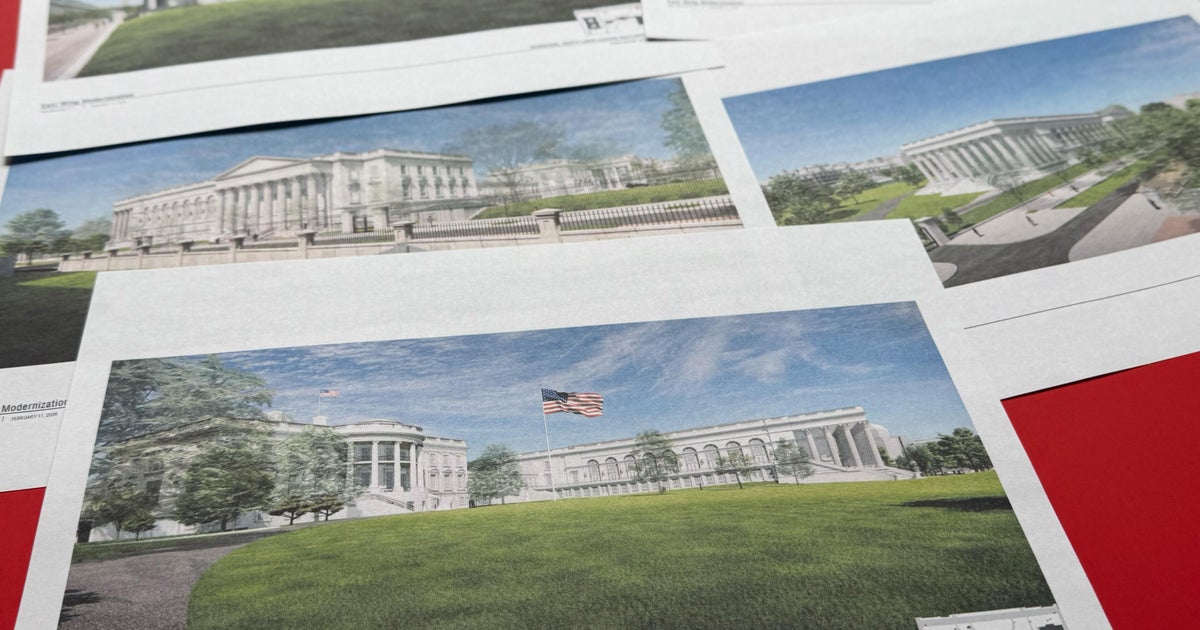
The National Capital Planning Commission is set to meet this week to consider what has become one of the most contentious architectural decisions in recent White House history. President Trump’s proposal to add a massive ballroom to the East Wing of the White House—spanning nearly 90,000 square feet—is expected to receive approval from the Trump-appointed commission members. However, this rubber-stamp approval comes against a backdrop of unprecedented public resistance and concern from preservation experts, architects, and everyday Americans who view the project as an assault on the integrity of one of the nation’s most cherished landmarks. The meeting, scheduled for Thursday, has attracted extraordinary attention, with approximately 100 speakers registered to voice their opinions, including prominent figures from the preservation community and citizens from across the country who feel compelled to speak out against what they see as an inappropriate and rushed transformation of the “People’s House.”
An Overwhelming Wave of Public Dissent
The scale of opposition to the East Wing expansion has been remarkable by any measure. The National Capital Planning Commission has received more than 32,000 written comments regarding the project, with the commission itself acknowledging that the “vast majority” of these submissions oppose the construction plans. These comments, now publicly available on the NCPC website, span nearly 10,000 pages of concerns, critiques, and objections from Americans who feel the project represents a fundamental misunderstanding of what the White House means to the nation. The criticisms cover multiple aspects of the proposal: the sheer size of the ballroom addition, which many feel is disproportionate and inappropriate for the historic site; the controversial decision to finance the project through private donations rather than public funds, raising questions about potential conflicts of interest and the commodification of a national symbol; and the notable absence of congressional oversight or input in a decision that affects a building that belongs not to any individual president but to the American people themselves.
Voices of Concern and Preservation
Among those scheduled to speak at Thursday’s meeting is Carol Quillen, president of the National Trust for Historic Preservation, representing an organization that has taken the extraordinary step of filing a lawsuit against the president to halt construction on the ballroom. The National Trust’s legal action underscores the depth of concern among preservation professionals who view the project as a threat to the architectural and historical integrity of the White House complex. Comments from ordinary citizens reflect a deep emotional connection to the building and what it represents. Susan Ruiz’s written comment captures the sentiment of many: “To take the People’s House and turn it into a monstrosity such as that is incredibly ridiculous.” This sentiment—that the White House belongs to all Americans, not to any single administration—runs through countless submissions. Many commenters also expressed alarm at the sudden demolition of the original East Wing, which was razed without adequate public notice or opportunity for historical documentation, a move that preservation experts consider both shocking and disrespectful to the building’s history.
A Process Critics Call Rushed and Irregular
The speed at which the Trump administration has pushed the East Wing project through the approval process has become a major point of contention. Historically, significant White House renovations have undergone months or even years of careful review by oversight bodies, allowing time for public input, expert analysis, and thoughtful consideration of alternatives. In stark contrast, this project has moved at breakneck speed through the approval process. The Commission of Fine Arts, another oversight board now composed of Trump appointees, granted both preliminary and final design approval at its February meeting after what observers described as only cursory consideration. The NCPC staff reviewing the East Wing design are recommending that commissioners approve “the preliminary and final site and building plans” with only minimal, non-binding suggestions for tweaks to landscaping and the columns on the south facade—changes that would do nothing to address the fundamental concerns about the project’s scale and appropriateness. Several commenters specifically cited this accelerated timeline as evidence of a flawed process. Katherine Wyman’s comment reflects the frustration many feel: “This is a very concrete example of what happens when we have a leader who thinks he’s above the rules. He lives to thumb his nose at civility and the rule of law.”
The Final Hurdle and What Comes Next
Thursday’s meeting represents the last formal obstacle before construction can begin in earnest. Once the National Capital Planning Commission provides its approval—which appears all but certain given the composition of the commission—no further approvals will be required before vertical construction commences. Administration officials have indicated they could begin building upward as soon as April, meaning that within weeks, the massive ballroom structure could start taking physical form on the White House grounds. The monthly NCPC meeting, typically held in person to allow for public attendance and observation, has been moved to an online format, a decision that some critics view as another way to minimize public participation and scrutiny. While 100 speakers will have their opportunity to address the commission, the virtual format lacks the impact and visibility of an in-person public hearing where commissioners must face their constituents directly and where media coverage tends to be more robust.
The Larger Questions About Presidential Power and Public Heritage
Beyond the specific architectural merits or flaws of the ballroom design, the East Wing controversy has raised fundamental questions about presidential authority over national symbols and the balance between executive prerogative and public interest. The White House is unique among government buildings—it serves simultaneously as the president’s residence, the executive office, and a museum of American history that belongs to all citizens. Every president makes changes to the building, but those changes have traditionally been measured, respectful of the structure’s history, and subject to rigorous oversight. Critics of the ballroom project argue that President Trump has treated the approval process as a formality to be dispensed with rather than a meaningful check on executive action. The decision to stack oversight commissions with appointees willing to approve plans quickly, the private financing arrangement that bypasses normal appropriations scrutiny, and the rapid demolition of existing structures before alternative approaches could be properly considered all suggest an administration more interested in leaving a dramatic personal mark than in thoughtful stewardship of a national treasure. As the commission prepares to vote, the thousands of pages of public comments serve as a reminder that while presidents may temporarily occupy the White House, its ultimate ownership rests with the American people—and those people are making their voices heard, even if the outcome seems predetermined.