


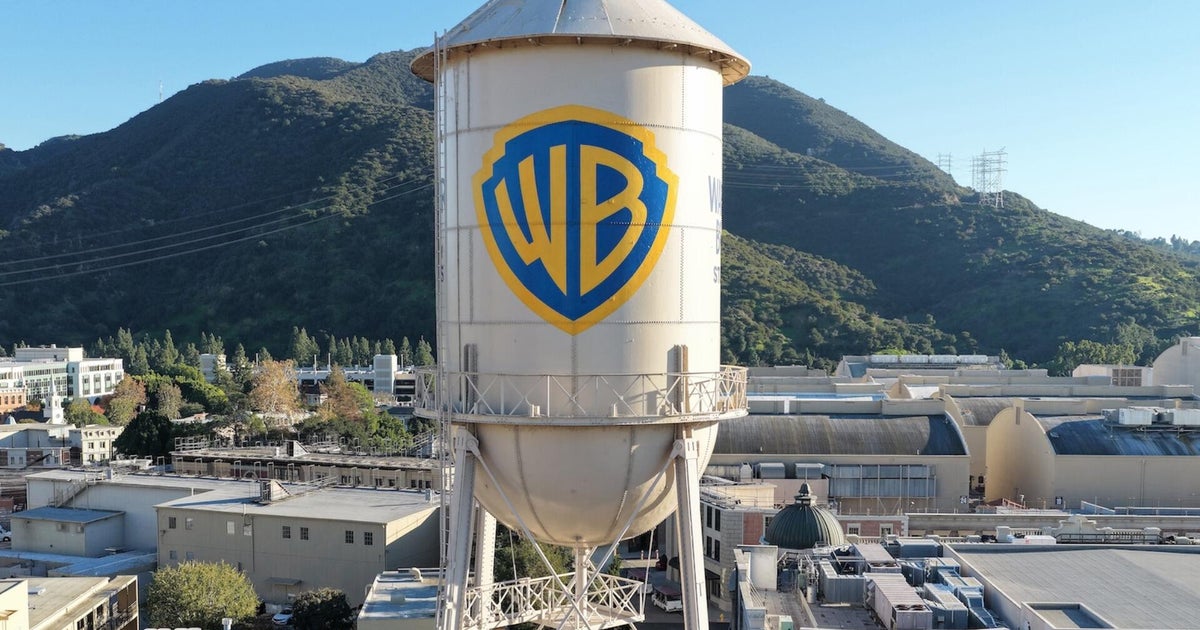

Major Entertainment Giants Battle for Warner Bros. Discovery in Billion-Dollar Bidding War
A High-Stakes Corporate Showdown Unfolds
The entertainment industry is witnessing one of its most dramatic corporate battles in recent memory as Warner Bros. Discovery finds itself at the center of an intense bidding war. On Tuesday, the company announced that Paramount Skydance had sweetened its acquisition offer to an impressive $31 per share, escalating the competition against streaming powerhouse Netflix, which had previously secured an agreement to purchase the media giant for $27.75 per share—a deal valued at approximately $82.7 billion. This unexpected development has thrown the future of one of Hollywood’s most storied studios into question and set the stage for what could be a transformative moment in the entertainment landscape. The situation puts Warner Bros. Discovery’s board of directors in a challenging position as they must now carefully evaluate whether this new proposal from Paramount Skydance represents a genuinely superior offer compared to the Netflix agreement already on the table.
The Board’s Difficult Decision and Next Steps
Warner Bros. Discovery has made it clear that while they’ve received this enhanced offer, their board hasn’t yet determined whether Paramount Skydance’s latest bid actually surpasses Netflix’s proposal in terms of overall value and strategic benefit to shareholders. In an official statement, the company indicated that it would “engage further with Paramount Skydance to determine if a proposal that constitutes a ‘Company Superior Proposal,’ as defined in the Netflix Merger Agreement, can be reached.” This language is particularly significant because it references specific contractual terms in the existing Netflix deal, suggesting that any competing offer must meet clearly defined criteria before it can be officially considered superior. If Warner’s board ultimately decides that Paramount Skydance’s offer does indeed qualify as superior, the ball would then be in Netflix’s court, giving the streaming giant just four business days to either match or exceed the competing bid or potentially walk away from the deal altogether. This carefully choreographed process reflects the complex legal and financial considerations involved in major corporate mergers of this magnitude.
Financial Protections and Deal Security
One of the most interesting aspects of Paramount Skydance’s revised offer is the substantial financial protections it includes to demonstrate serious commitment and mitigate Warner Bros. Discovery’s risk. The proposal includes a remarkable $7 billion termination fee that Paramount Skydance would be obligated to pay if the deal fails to close due to regulatory concerns—a provision that addresses one of the major uncertainties surrounding any transaction of this size. Additionally, and perhaps even more compelling from Warner’s perspective, Paramount Skydance has agreed to cover the $2.8 billion termination fee that Warner Bros. Discovery would otherwise be required to pay Netflix if it chooses to abandon that agreement in favor of the Paramount Skydance deal. These financial commitments total nearly $10 billion in protective provisions, demonstrating that Paramount Skydance is not making a casual offer but rather putting substantial resources behind its determination to acquire Warner Bros. Discovery. Such generous terms are designed to make the board’s decision easier by removing much of the financial downside risk associated with switching horses mid-race.
The Evolving Negotiation Timeline
This latest bid didn’t emerge from nowhere—it represents an escalation in what has been an evolving negotiation process. Just one week before announcing the increased $31 per share offer, Warner Bros. Discovery had revealed it would resume discussions with Paramount Skydance to consider their previous proposal of $30 per share. That earlier figure apparently wasn’t quite compelling enough to immediately override the Netflix agreement, prompting Paramount Skydance to return with an improved offer that raises the ante by an additional dollar per share. While a single dollar might not sound like much, when multiplied across all outstanding shares of a company the size of Warner Bros. Discovery, it represents hundreds of millions of dollars in additional value. Throughout these developments, Warner Bros. Discovery has been careful to maintain that its existing merger agreement with Netflix remains fully in effect and that the board of directors “continues to recommend” that deal to shareholders, at least for now. This measured approach protects the company legally while keeping all options open as negotiations continue.
What’s Actually at Stake: The Warner Bros. Discovery Empire
Understanding why these suitors are willing to pay such astronomical sums requires appreciating exactly what Warner Bros. Discovery brings to the table. The company represents one of the most valuable and diverse collections of entertainment assets in the world. Beyond its famous film studio and streaming platforms, Warner Bros. Discovery controls an impressive portfolio of cable channels that remain valuable despite the ongoing shift toward streaming, including household names like Food Network, HBO Max, HGTV, TBS, and TNT. These properties generate substantial revenue and reach millions of viewers daily, making them extremely attractive to potential acquirers looking to expand their footprint in the entertainment space. Paramount Skydance has positioned its bid as offering superior financial value for Warner Bros. Discovery shareholders while simultaneously raising concerns that Netflix’s proposed acquisition might face significant obstacles from U.S. antitrust regulators who are increasingly skeptical of mega-mergers that could reduce competition in the entertainment industry.
Different Visions for the Future
Perhaps the most significant difference between the two competing offers lies not in their price tags but in their fundamental structure and vision for Warner Bros. Discovery’s future. Netflix’s agreement covers only Warner Bros. Discovery’s studio and streaming business—the content creation and digital distribution arms that align most naturally with Netflix’s existing operations. This deal is structured to occur after Warner spins off its traditional television networks into a separate entity, essentially breaking up the company. In contrast, Paramount Skydance is proposing to acquire all of Warner Bros. Discovery’s assets as an integrated whole, keeping the studio, streaming services, and cable networks together under one corporate umbrella. This difference reflects competing philosophies about the future of entertainment: Netflix sees value in the content and streaming infrastructure while viewing traditional TV networks as legacy assets, whereas Paramount Skydance apparently believes there’s strategic value in maintaining the full ecosystem. For Warner Bros. Discovery shareholders and employees, these different approaches could mean very different futures, making the board’s decision about more than just which number is bigger. The outcome of this corporate drama will likely influence industry consolidation trends for years to come and could reshape how millions of people access their favorite entertainment content.