


Pentagon Releases Long-Awaited UFO Files to the Public
A Historic Disclosure of Classified Documents
In a groundbreaking move that marks a significant shift in government transparency, the Pentagon initiated the release of previously classified UFO-related documents on Friday. This first batch of declassified materials includes approximately 162 documents, photographs, and videos drawn from the archives of multiple federal agencies, including the FBI, the Department of Defense, the State Department, and NASA. This release represents just the beginning of what officials promise will be an ongoing disclosure process, with additional materials expected to be made available to the public in the coming weeks and months. The decision to declassify these files comes after years of speculation and demands from both lawmakers and citizens who have long questioned what the government knows about unidentified flying objects and potential extraterrestrial encounters. Defense Secretary Pete Hegseth, in announcing the release, acknowledged the public’s right to access this information, stating that “these files, hidden behind classifications, have long fueled justified speculation — and it’s time the American people see it for themselves.” This historic moment represents a new chapter in the government’s relationship with the American people regarding one of the most mysterious and controversial topics in modern history.
What the Initial Release Contains
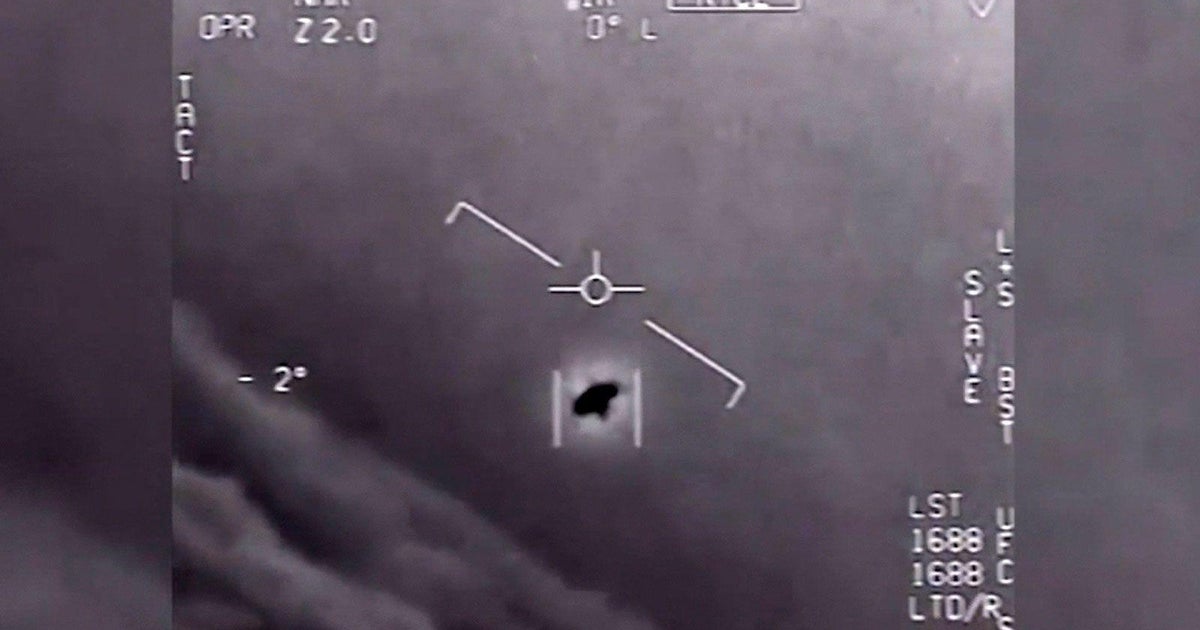
Among the newly released materials are photographs that have already captured public attention, including what the Pentagon describes as an “Unresolved UAP Report” from U.S. Indo-Pacific Command dating from 2024. This particular image shows what officials characterize as a “UAP that resembles a football-shaped body near Japan,” offering the public a rare glimpse into the types of phenomena that military personnel have been tracking and documenting. The files span decades of observations and investigations, representing a comprehensive look at how various government agencies have approached the question of unidentified aerial phenomena. The documents include not only visual evidence but also written reports, analysis, and correspondence between different agencies as they attempted to understand and categorize these mysterious sightings. For researchers, enthusiasts, and skeptics alike, these materials provide an unprecedented opportunity to examine the government’s actual records rather than relying on secondhand accounts or speculation. The diversity of sources—ranging from military installations to space agency observations—suggests that these phenomena have been taken seriously across multiple branches of government, each bringing their own expertise and perspective to the investigation.
Presidential Directive Sparks the Disclosure
The catalyst for this historic release came directly from President Trump, who in February took to Truth Social to direct the Pentagon and other agency heads to begin declassifying files related to UFOs and “any alien and extraterrestrial life.” In his directive, the President specifically asked these officials “to begin the process of identifying and releasing” any relevant files in their possession. Going further, he called for the comprehensive release of “any and all other information connected to these highly complex, but extremely interesting and important, matters.” This presidential directive represents an unusual level of executive involvement in what has traditionally been a highly classified area of government operations. The President’s decision to use his authority to force disclosure reflects growing public pressure and bipartisan congressional interest in understanding what the government knows about these phenomena. His willingness to openly discuss and demand transparency on this topic marks a departure from previous administrations, which typically maintained strict secrecy around UFO-related materials. The language of his directive—calling the matters “highly complex, but extremely interesting and important”—suggests an acknowledgment that these phenomena, regardless of their origin, deserve serious attention and public scrutiny.
Decades of Government Investigation and Tracking
The Pentagon’s involvement with tracking and investigating UFO sightings is far from new. For decades, the military has systematically documented reports of what it now officially terms “unidentified aerial phenomena,” or UAPs—a designation that reflects a more scientific and less sensational approach to the subject. This terminology shift from “UFO” to “UAP” represents an attempt to destigmatize reporting and encourage military personnel and pilots to come forward with their observations without fear of ridicule or career repercussions. The tracking of these phenomena has involved sophisticated technology, trained observers, and careful documentation procedures designed to capture as much detail as possible about each sighting. Military pilots, radar operators, and other personnel have been encouraged in recent years to report any unusual aerial phenomena they encounter, leading to a growing database of incidents that defy conventional explanation. The government’s systematic approach to investigating these reports demonstrates that, regardless of public perception, officials have taken the matter seriously enough to dedicate resources and personnel to understanding what’s being observed in our skies.
The Question of Extraterrestrial Life Remains Unanswered
Despite decades of investigation and the accumulation of numerous reports, photographs, and videos, the Pentagon made clear in a 2024 report that there remains no confirmed evidence that any government investigation into UAPs has verified the existence of extraterrestrial life. This conclusion, while perhaps disappointing to those hoping for definitive proof of alien visitation, underscores the careful, evidence-based approach that investigators have taken to the phenomenon. The absence of confirmed extraterrestrial evidence does not mean the phenomena themselves are not real or worthy of study—many of the documented incidents involve objects or occurrences that trained observers cannot explain using conventional knowledge of aircraft, weather phenomena, or other known factors. President Trump himself has expressed uncertainty on the fundamental question, stating that he’s not sure whether or not aliens exist—a position that reflects the ambiguity inherent in the available evidence. This honest admission of uncertainty may actually serve the disclosure process well, as it sets realistic expectations and emphasizes that the release of these files is about transparency and allowing the public to examine the evidence themselves, rather than providing definitive answers to questions that may not yet be answerable with the information currently available.
An Ongoing Process and What Comes Next
As officials have emphasized, Friday’s release represents only the first installment in what promises to be an extensive disclosure process. The Pentagon and other agencies are working through vast archives of classified materials, reviewing documents for declassification while balancing transparency with legitimate national security concerns. This review process takes time, as officials must ensure that releasing information about UAP sightings doesn’t inadvertently reveal sensitive information about military capabilities, surveillance technologies, or operational procedures. As this story continues to develop, additional batches of files are expected to be released, potentially offering more detailed information, additional photographic and video evidence, and perhaps insights into how government understanding of these phenomena has evolved over the decades. For the American public, this represents an extraordinary opportunity to engage directly with materials that have been the subject of speculation, conspiracy theories, and intense curiosity for generations. Whether these files ultimately provide evidence of extraterrestrial visitation, reveal advanced technologies from foreign adversaries, or simply document a series of misidentified conventional phenomena, the process of disclosure itself marks an important moment in government transparency. The commitment to ongoing releases suggests that officials recognize the public interest in this topic and are willing to share what they know, even when that knowledge doesn’t provide simple or satisfying answers to complex questions about what might be visiting our skies.