

Tragedy Strikes as Mount Dukono Erupts: Three Hikers Killed in Restricted Volcanic Zone
A Devastating Day on Halmahera Island
Friday morning brought unimaginable tragedy to Indonesia’s Mount Dukono when the active volcano suddenly erupted, claiming the lives of three hikers who had ventured into an area explicitly marked as off-limits. Among the deceased were two citizens from Singapore and one Indonesian local, according to official reports from Indonesian authorities. The eruption, which occurred on Halmahera island in the early morning hours, sent a massive ash cloud soaring approximately six miles into the sky, creating a terrifying scene for the twenty hikers who found themselves on the mountain’s slopes when disaster struck. While the remote location of the volcano meant that no nearby towns or villages faced immediate danger from the eruption, the group of adventurers found themselves in a life-threatening situation with little warning and limited options for escape.
The incident has sparked serious questions about safety protocols, tourist management in dangerous volcanic areas, and the responsibility of guides who lead paying customers into restricted zones. North Halmahera police chief Erlichson Pasaribu provided updates to reporters gathered at a volcano monitoring station in Mamuya village, painting a picture of chaos, danger, and a desperate rescue operation unfolding in real-time. The international nature of the group—with nine hikers from Singapore and eleven Indonesians—has drawn attention from both countries and highlighted the popular yet perilous appeal of volcano hiking in one of the world’s most geologically active regions.
The Rescue Operation and Those Still Unaccounted For
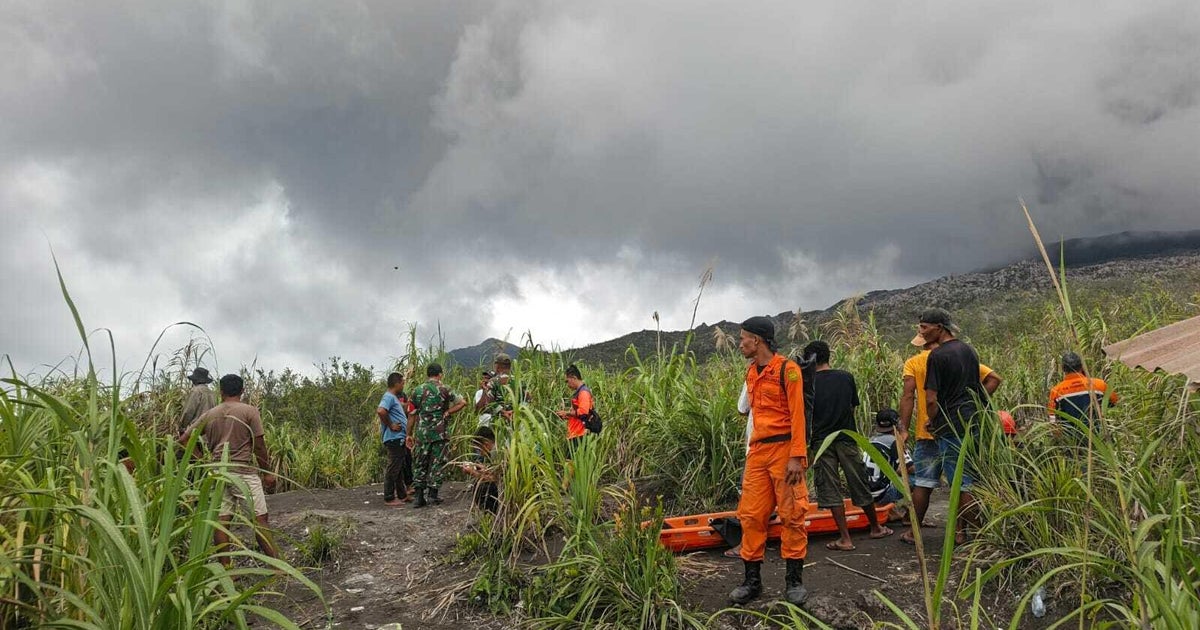
As authorities scrambled to respond to the emergency, the focus quickly turned to accounting for all twenty hikers and getting survivors to safety. By several hours after the early-morning eruption, police chief Erlichson was able to confirm that fifteen climbers had successfully descended from the mountain and reached safety. This news provided some relief amid the tragedy, though the situation remained far from resolved. The bodies of the three deceased hikers remained on the mountain, their recovery delayed by the ongoing volcanic activity that made any rescue attempt extremely dangerous. In addition to the three confirmed deaths, two hikers remained unaccounted for, their whereabouts unknown, adding another layer of anxiety to an already heartbreaking situation.
The police chief emphasized the precarious nature of the rescue operation, explaining that the mountain’s continued volcanic activity made it impossible to safely send teams up to retrieve the bodies or search for the missing hikers. “Due to ongoing eruptions, the situation is still considered unsafe for evacuation. So, the joint team is still waiting for the right time to begin the search,” Erlichson told reporters, highlighting the agonizing position rescue teams found themselves in—wanting desperately to help but unable to risk more lives in the process. Meanwhile, several of the hikers who made it down the mountain had sustained minor injuries during their harrowing descent and were transported to a local hospital for medical treatment. The fortunate survivors likely owed their lives to quick thinking, physical fitness, and perhaps simply being positioned on a part of the mountain that offered a clearer escape route when the eruption began.
Legal Consequences and Questions of Responsibility
As the immediate crisis continued to unfold, attention also turned to questions of accountability and responsibility. Indonesian authorities took swift action by bringing the group’s guide and a porter to the police station for questioning. According to police chief Erlichson, both individuals could face criminal charges for leading hikers into an area that had been clearly designated as prohibited due to volcanic danger. This development underscores the serious view Indonesian authorities take regarding safety regulations around active volcanoes, particularly when those regulations are violated and result in loss of life. The potential charges raise important questions about the duty of care that tour guides owe to their clients, the enforcement of restricted zone boundaries, and whether adequate warnings and deterrents exist to prevent such tragedies.
The situation also highlights a broader issue in adventure tourism worldwide: the tension between people’s desire for extraordinary experiences and the very real dangers that make those experiences feel so thrilling. Mount Dukono is known to be an active volcano, with eruptions occurring with some regularity. The restricted zone designation exists precisely because experts understand the mountain poses genuine, potentially lethal risks. Yet the lure of seeing an active volcano up close, of standing on the slopes of a mountain that could erupt at any moment, clearly proved too tempting for this group of twenty adventurers. Whether the guide adequately explained the risks, whether the hikers fully understood what “off-limits” meant, or whether financial incentives drove the guide to take chances they knew were inappropriate—these are questions that will likely be explored as the legal process moves forward.
Indonesia’s Volatile Geography and the Ring of Fire
This tragic incident serves as yet another reminder of Indonesia’s precarious position atop some of the most geologically active terrain on Earth. The nation sits squarely on the “Ring of Fire,” an extensive arc of volcanoes and fault lines that encircles the Pacific Basin and accounts for roughly 90% of the world’s earthquakes and about 75% of the world’s active volcanoes. This geographic reality means that Indonesia experiences frequent earthquakes and volcanic eruptions as a simple fact of life. The country is home to more active volcanoes than any other nation—approximately 130—and millions of Indonesians live and work in the shadows of these mountains, understanding that the rich volcanic soil that makes farming so productive comes with inherent risks.
For residents of Indonesia, living with volcanic activity is nothing new. Communities have developed over centuries with an understanding of evacuation procedures, warning signs, and the unpredictable nature of the mountains that dominate their landscapes. However, for tourists and visitors, the reality of these dangers may not fully register until it’s too late. Mount Dukono itself has been particularly active in recent years, with scientists monitoring it closely and adjusting restriction zones as activity levels change. The volcano’s pattern of regular eruptions makes it both fascinating to volcanologists and dangerous to anyone who ventures too close. While tourism authorities work to balance allowing visitors to experience Indonesia’s natural wonders while keeping them safe, incidents like this Friday’s tragedy demonstrate how difficult that balance can be to maintain, especially when guides and tourists choose to ignore clearly established safety boundaries.
The Human Cost of Adventure Tourism
Behind the statistics and official statements lie heartbreaking human stories. Three people who woke up Friday morning expecting an adventurous day hiking a volcano never returned home. Two families in Singapore are grieving the loss of loved ones who traveled to Indonesia seeking an exciting experience. One Indonesian family faces the same devastating loss. The two hikers whose whereabouts remained unknown as of the last official update left families in agonizing uncertainty, hoping for good news while fearing the worst. Even the survivors, though physically safe, will likely carry the psychological scars of their experience for years to come, having witnessed the terrifying power of nature unleashed and perhaps having seen friends or fellow hikers perish.
This tragedy also ripples outward to affect the families of the guide and porter now facing potential criminal charges, to the rescue workers who must risk their own safety to recover bodies and search for the missing, and to the broader communities in both Singapore and Indonesia that must process this loss. It raises uncomfortable questions about risk, responsibility, and the price we’re willing to pay for adventure. As adventure tourism continues to grow globally, with travelers seeking ever more extreme and unique experiences, incidents like the Mount Dukono eruption force us to confront the reality that nature cannot be controlled or made safe simply because we wish it so. The restricted zone designation existed for precisely this reason—to protect people from harm. When those warnings are ignored, whether through carelessness, overconfidence, or deliberate risk-taking, the consequences can be fatal. As rescue teams await the right conditions to recover the victims and continue searching for the missing, the tragedy stands as a sobering reminder that in the contest between human ambition and nature’s power, nature always has the final word.