

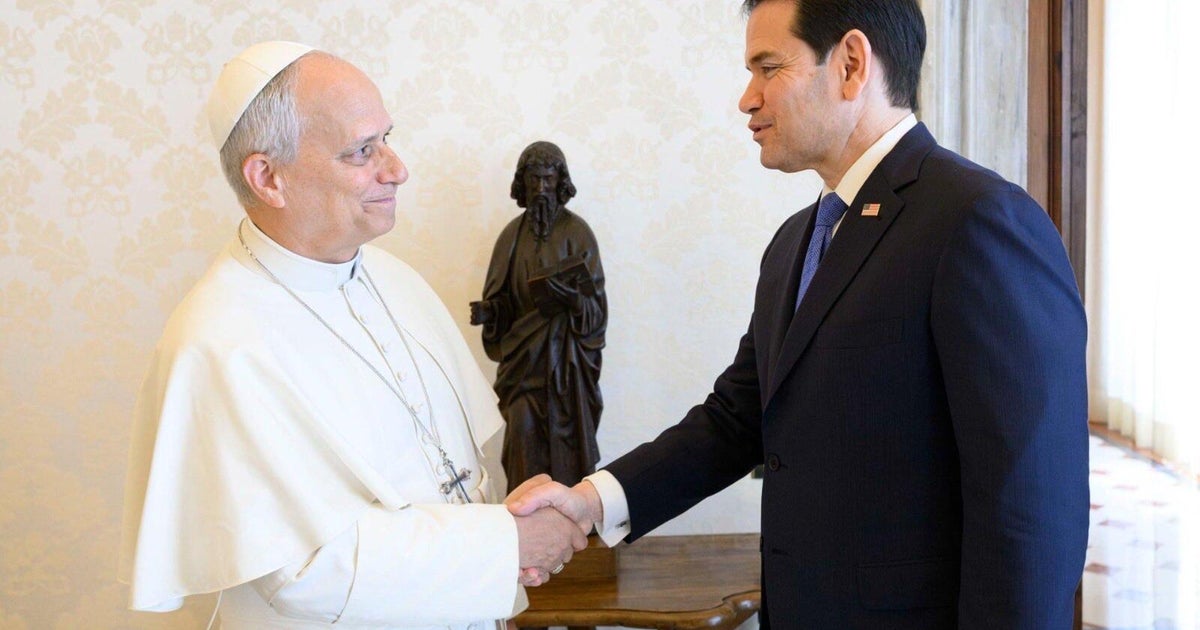

A Diplomatic Bridge: Rubio Meets Pope Leo XIV Amid White House-Vatican Tensions
Historic Meeting at the Vatican
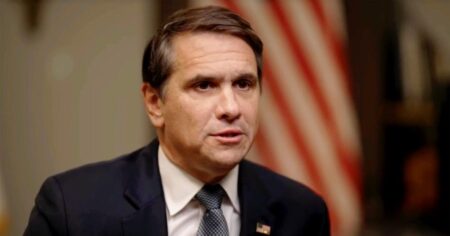
In what marks a significant moment of diplomatic outreach, U.S. Secretary of State Marco Rubio traveled to the Vatican this Thursday for a face-to-face meeting with Pope Leo XIV, the first American-born pontiff in Catholic history. The meeting, which lasted over two hours, focused primarily on the volatile situation unfolding in the Middle East, along with other pressing matters affecting the Western Hemisphere. State Department spokesperson Tommy Pigott characterized the encounter as a reaffirmation of the deep-rooted relationship between the United States and the Holy See, emphasizing their mutual dedication to advancing peace and protecting human dignity across the globe. The meeting took on added significance given the backdrop of recent public friction between Pope Leo XIV and President Trump, making Rubio’s visit a crucial attempt to mend diplomatic fences and restore the traditionally strong ties between Washington and the Vatican. For Rubio, a devout Catholic himself, this was more than just a diplomatic mission—it represented a personal connection to his faith and an opportunity to serve as a bridge between two powerful institutions that have found themselves at odds in recent weeks.
The Substance of Diplomatic Discussions
During his time at the Apostolic Palace, Secretary Rubio engaged in extensive conversations not only with Pope Leo XIV but also with Cardinal Pietro Parolin, the Vatican’s Secretary of State. According to official readouts from the State Department, these discussions covered a wide range of topics, from regional cooperation to some of the most challenging international crises of our time. The Middle East situation dominated much of the conversation, with both sides exploring pathways toward what they described as “a durable peace” in that troubled region. The fact that Rubio spent two hours and fifteen minutes inside the Vatican walls suggests the depth and seriousness of these talks. While the actual meetings were closed to the press—a standard practice for such sensitive diplomatic exchanges—the Vatican did release official photographs showing the Secretary of State and the Pope together, images that spoke to the importance both sides placed on demonstrating unity despite recent tensions. These conversations represented an attempt to find common ground on humanitarian concerns and international security issues, even as the White House and the Vatican have publicly disagreed on matters of policy and principle in recent weeks.
The Roots of Recent Tensions
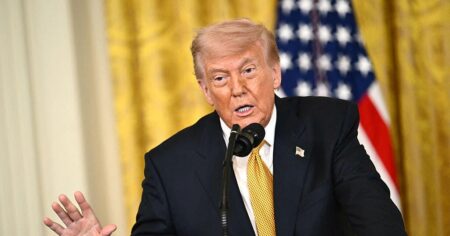
The context surrounding this Vatican meeting cannot be understood without acknowledging the unprecedented public disagreement that has developed between President Trump and Pope Leo XIV over the past several weeks. The conflict came to a head on Palm Sunday, March 29th, when the Pope posted a pointed message on social media declaring, “This is our God: Jesus, King of Peace, who rejects war, whom no one can use to justify war. He does not listen to the prayers of those who wage war, but rejects them.” While the Pope didn’t mention President Trump by name, the timing and content of the message were widely interpreted as criticism of American military policy. Things escalated further following a “60 Minutes” segment that aired on April 12th, in which cardinals discussed the pontiff’s concerns about the Trump administration’s deportation policies and military actions in Iran. That very evening, President Trump fired back with a scathing social media post, calling the Pope “WEAK on Crime, and terrible for Foreign Policy”—remarkably harsh language directed at the leader of the world’s 1.3 billion Catholics. The president even posted an AI-generated image that appeared to show him in a Christ-like pose healing the sick, an image that drew immediate backlash from religious leaders and political figures across the spectrum, forcing Trump to delete it and claim it merely showed him as a doctor.
Navigating Faith and Politics
The ongoing dispute between the White House and the Vatican has placed Catholic members of the Trump administration in an uncomfortable position, forcing them to navigate the complex intersection of their religious faith and their political loyalty. Both Secretary Rubio and Vice President JD Vance, who are practicing Catholics, have faced repeated questions about how they reconcile their devotion to the Church with their service to a president who has publicly attacked their spiritual leader. Just before Rubio departed for Rome, President Trump made additional controversial comments in an interview with radio host Hugh Hewitt, suggesting that the Pope’s positions were “endangering a lot of Catholics and a lot of people” and claiming that the pontiff was comfortable with Iran possessing nuclear weapons. Vice President Vance, when pressed on these tensions last month, offered a carefully worded response that attempted to create space for disagreement while respecting both institutions. He suggested that just as he must be careful when speaking about public policy in his governmental role, the Pope should exercise similar caution when addressing theological matters—a statement that itself drew criticism for appearing to lecture the head of the Catholic Church on how to discuss theology. These Catholic officials find themselves walking a tightrope, trying to maintain their credibility as faithful Catholics while defending or explaining away their boss’s unprecedented attacks on the Pope.
The Broader Implications for U.S.-Vatican Relations
The relationship between the United States and the Vatican has historically been one of mutual respect and cooperation, even when disagreements have emerged on specific policies. American presidents of both parties have traditionally treated the Pope with deference, recognizing the moral authority he holds for Catholics worldwide and the diplomatic influence the Holy See wields on the global stage. The current tensions represent a departure from this norm, particularly given that Pope Leo XIV is himself American-born, which one might have expected to create a natural affinity with the U.S. administration. Instead, the Pope’s American origins seem to have given him a particular sense of responsibility to speak out about American policies he views as contrary to Catholic teaching on peace, justice, and the treatment of migrants and refugees. The institutional stakes are high: the Vatican serves as an important diplomatic partner on humanitarian issues, religious freedom, and peace negotiations around the world. A prolonged rift between Washington and the Holy See could complicate American efforts on numerous international fronts. Secretary Rubio’s visit represented an attempt to compartmentalize the personal conflict between the president and the pontiff, reassuring Vatican officials that the United States still values the relationship and seeks common ground on shared priorities, particularly regarding peace in the Middle East and humanitarian concerns in the Western Hemisphere.
Looking Forward: Can the Relationship Be Repaired?
As Secretary Rubio departed the Vatican after his extensive meetings, the question remained whether this diplomatic outreach could truly ease the tensions that have developed between the Trump White House and Pope Leo XIV. The official statements from both sides struck a positive tone, emphasizing shared values and common interests, but words on paper cannot entirely erase the very public nature of the recent conflict. President Trump has shown a pattern of doubling down on controversial positions rather than backing away from them, and Pope Leo XIV has demonstrated that he will not be silenced when he believes moral principles are at stake. For now, the temperature seems to have cooled somewhat—the president’s rhetoric has been slightly less inflammatory in recent days, and the Pope has refrained from additional pointed social media posts. Rubio’s personal role as a devout Catholic serving in a key diplomatic position may prove crucial in maintaining channels of communication between these two powerful institutions. His ability to speak the language of both faith and realpolitik could serve the country well as it navigates these unprecedented waters. The meetings at the Vatican this week won’t resolve all differences, but they represent an important step toward ensuring that disagreements on specific policies don’t completely rupture a relationship that has been built over decades and serves important purposes for both the United States and the global Catholic Church. In an increasingly divided world, maintaining these bridges of communication and mutual respect matters more than ever.