
The Austin Bar Shooting: What We Know About the Gunman and His Motives
New Evidence Emerges About the Shooter’s Identity
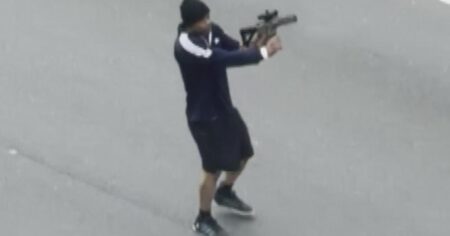
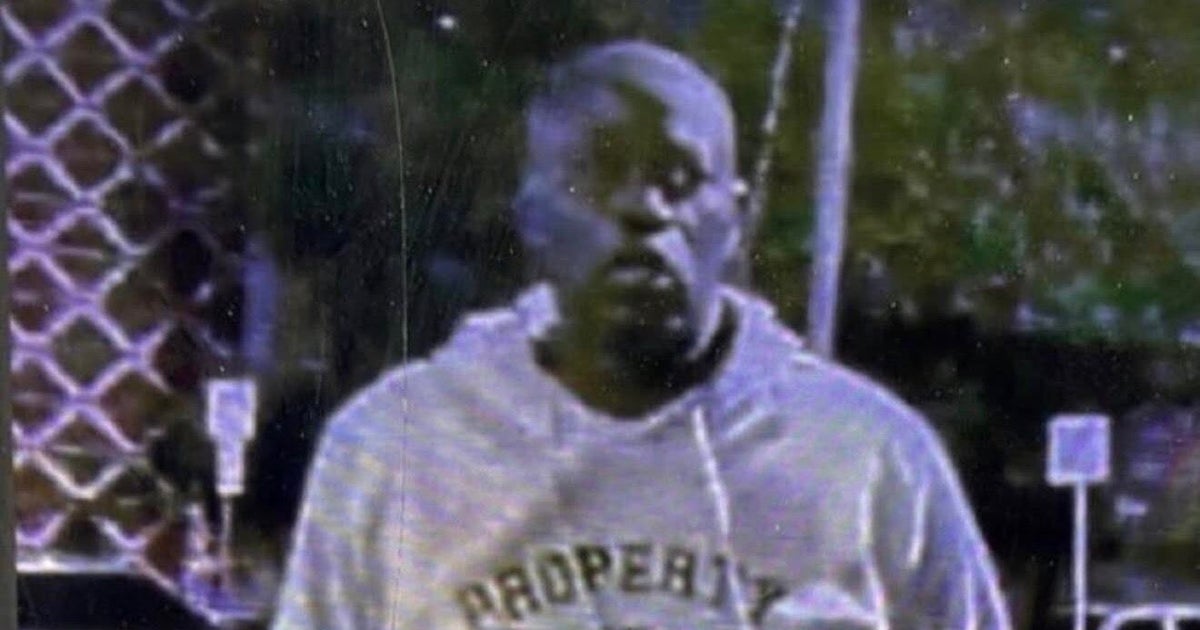
CBS News has uncovered disturbing new details about the deadly shooting that rocked Austin’s entertainment district early Sunday morning. Photographs obtained by the news organization reveal that Ndiaga Diagne, the gunman responsible for killing two people and injuring fourteen others, was wearing clothing with significant religious and political symbolism at the time of the attack. The images show him wearing a hoodie emblazoned with the words “Property of Allah,” and underneath, a shirt featuring a design resembling the Iranian flag. These details have become crucial pieces of evidence as investigators work to understand what motivated this tragic violence in one of Austin’s most popular nightlife areas. The discovery of these items has raised serious questions about whether the attack was ideologically motivated and whether it might be connected to recent international tensions involving Iran and the United States.
The Gunman’s Background and Path to Citizenship
Ndiaga Diagne’s journey to that fatal night represents a complex immigration story spanning more than two decades. According to U.S. officials who have been investigating the case, Diagne was born in Senegal and first arrived in the United States in 2000 on a tourist visa. His path to permanent residency came six years later in 2006 when he married an American citizen and obtained his green card. By 2013, he had achieved full U.S. citizenship, completing a process that many immigrants hope to accomplish. However, this seemingly successful integration story was complicated by other factors that have emerged during the investigation. Diagne had at least one prior encounter with law enforcement in Texas, having been arrested in 2022 following a car collision. Perhaps more significantly, sources close to the investigation have revealed that he had a documented history of mental health issues, adding another layer of complexity to understanding what drove him to commit such violence. This combination of factors—his immigration background, previous legal troubles, and mental health struggles—paints a picture of someone whose life trajectory took a devastating turn.
Investigating Possible Terrorism Connections
Federal and local authorities have been working around the clock to determine whether this attack had connections to terrorism, and the evidence they’ve uncovered is pointing in a concerning direction. Law enforcement sources briefed on the investigation have indicated that Diagne appears to have been motivated, at least partially, by recent U.S. military actions against Iran. This potential political motivation has elevated the investigation to include federal counterterrorism officials who are now deeply involved in the case. When investigators executed a search warrant at Diagne’s home on Sunday, they discovered items that further suggested his ideological leanings: an Iranian flag was found displayed in his residence, along with photographs of Iranian leaders. Additionally, sources have confirmed to CBS News that a Quran was discovered inside the vehicle he used during the attack. While these findings suggest a possible terrorism nexus, investigators are being careful to examine all angles. They are currently scrutinizing Diagne’s digital footprint—his social media accounts, internet search history, and online communications—to determine whether he acted entirely alone or if he had been in contact with anyone in the United States or abroad who might have influenced or encouraged him to carry out this attack.
How the Attack Unfolded in Austin’s Entertainment District
The violence erupted in the early morning hours of Sunday, beginning shortly after 1:30 a.m. in the heart of Austin’s Sixth Street entertainment district, an area known for its vibrant nightlife, live music venues, and crowded bars. The target was Buford’s, a popular establishment where people had gathered to enjoy their weekend. According to sources who spoke with CBS News, the attack began while Diagne was driving around the area in an SUV, circling the block repeatedly. Witnesses and investigators believe he was scoping out the scene before he began his assault. The gunman then opened fire from the vehicle’s open window, targeting people who were seated outdoors enjoying the warm Texas night. The chaos intensified when he exited his SUV and continued shooting as he walked up the street, firing at random individuals. The rampage only ended when Austin Police officers who had responded to the scene engaged the gunman in a firefight and ultimately shot and killed him. When authorities searched his vehicle afterward, they discovered multiple weapons, indicating he had come prepared for prolonged violence and potentially even more casualties than he managed to inflict.
Eyewitness Accounts of the Terror
The human experience of this attack is perhaps best captured through the accounts of those who witnessed it firsthand. Nathan Comeaux, who was in the area when the shooting began, managed to capture video footage that has since been obtained by CBS News. His recording shows law enforcement officers with their weapons drawn, running westbound away from Buford’s as terrified civilians scramble for cover, running in all directions and seeking any shelter they could find from the gunfire. According to Austin Police, the suspect had moved westbound down the block after initially shooting at patrons outside the bar, before then reversing direction and walking eastbound. Comeaux’s account is particularly chilling—he witnessed the exchange of gunfire between the gunman and police officers, seeing Diagne fire at the responding officers before they returned fire. The video and eyewitness testimonies paint a picture of absolute chaos and terror, with innocent people simply trying to enjoy a night out suddenly finding themselves in a life-or-death situation. The officers’ quick response likely prevented even more casualties, as the gunman was heavily armed and appeared intent on causing maximum harm.
The Broader Implications and Ongoing Investigation
This tragic event raises important questions about domestic security, radicalization, and the intersection of mental health issues with ideological extremism. The fact that Diagne had been a U.S. citizen for more than a decade, seemingly integrated into American society through marriage and the naturalization process, yet still allegedly became radicalized enough to carry out a mass shooting, represents a significant concern for law enforcement and counterterrorism officials. The investigation continues as authorities work to piece together a complete timeline of Diagne’s radicalization—if that’s indeed what occurred—and to determine whether he had any accomplices or if he received guidance from extremist organizations either domestically or internationally. The discovery of Iranian nationalist symbols and religious items in his possession, combined with the timing of the attack following U.S. military strikes against Iran, suggests a possible political motive, though investigators are careful not to rush to conclusions. Mental health professionals and terrorism experts will likely study this case for years to come, trying to understand how someone’s mental health struggles might intersect with political grievances to produce such devastating violence. For the victims and their families, the investigation’s findings will be crucial not just for legal proceedings but for understanding why their lives were forever changed by this senseless act of violence in what should have been a safe, enjoyable environment.