
The Paramount Takeover Drama: A Hollywood Power Play with Unexpected Turns
Netflix Steps Back from the Battle
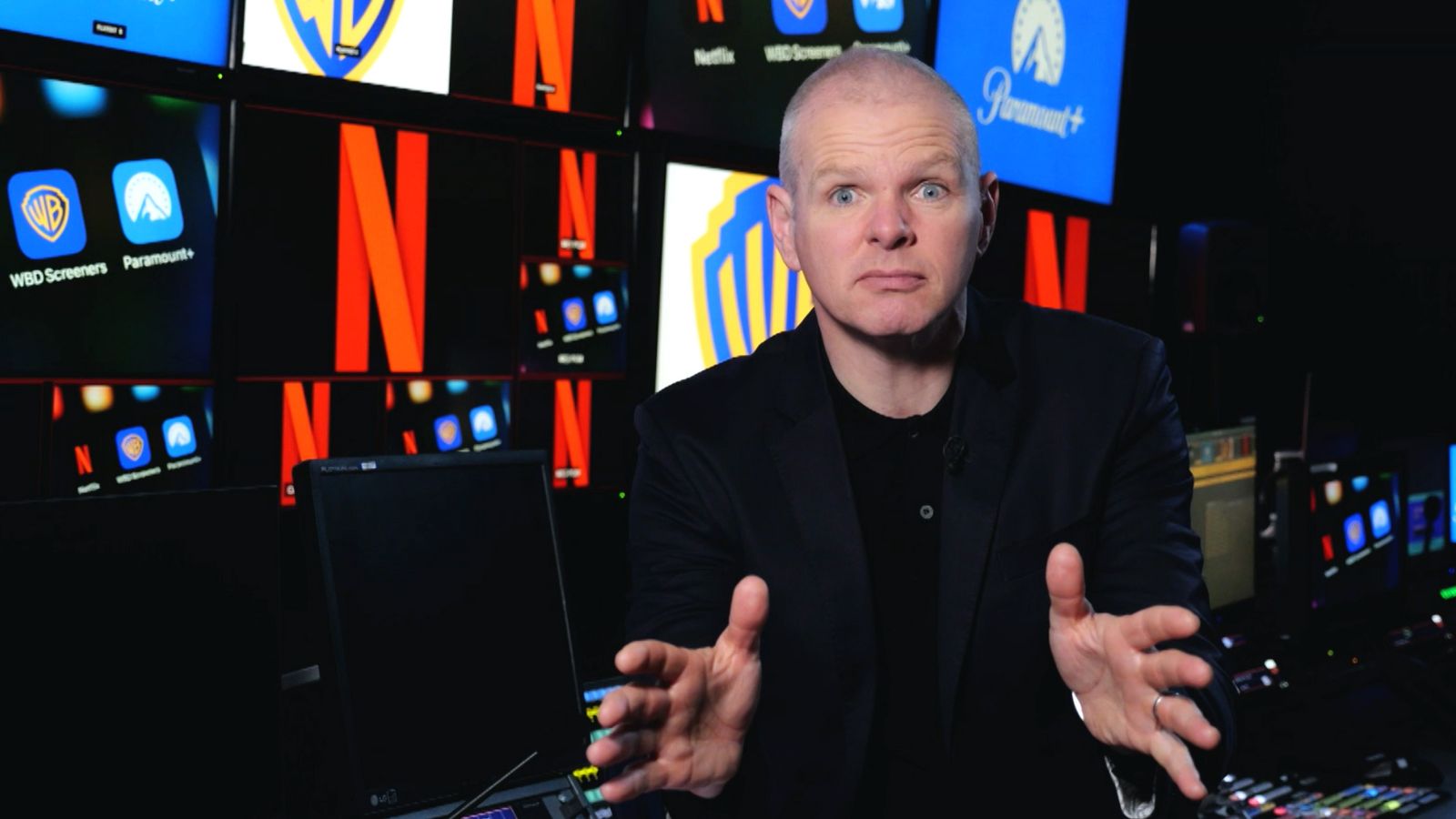
In what has become one of Hollywood’s most captivating corporate dramas, Netflix has made the surprising decision to walk away from its pursuit of Paramount, citing concerns over valuation and refusing to sweeten its initial offer. This unexpected withdrawal marks a significant turning point in the media industry’s ongoing consolidation saga, leaving the door wide open for Warner Bros Discovery to potentially secure a victory in what has evolved into a hostile takeover attempt. The streaming giant’s decision to step back wasn’t made lightly, but rather reflects a calculated business strategy that prioritizes financial discipline over empire-building at any cost. Netflix, which has spent years establishing itself as the dominant force in streaming entertainment, appears to have drawn a line in the sand when it comes to overpaying for assets, even ones as prestigious and content-rich as Paramount. This move signals a broader shift in the streaming wars, where companies are increasingly focused on profitability and sustainable growth rather than simply acquiring market share through expensive acquisitions. The decision has sent shockwaves through Hollywood, where dealmakers and industry insiders had anticipated an intense bidding war that would push Paramount’s price to unprecedented heights.
The Value Proposition That Didn’t Add Up
Netflix’s withdrawal from the Paramount bidding process comes down to fundamental questions about value and return on investment. While Paramount brings to the table an impressive catalog of iconic properties, including Star Trek, Mission: Impossible, and the vast library of CBS content, along with the Paramount+ streaming service, Netflix executives apparently concluded that the price required to secure the deal simply didn’t justify the potential benefits. In today’s challenging media landscape, where streaming services are under intense pressure to demonstrate profitability after years of cash-burning growth strategies, every major investment must meet rigorous financial scrutiny. Netflix has been working hard to prove to investors that it can generate consistent profits while continuing to grow its subscriber base, and overpaying for Paramount could have jeopardized that carefully constructed narrative. The company’s leadership likely ran the numbers and determined that the capital required to acquire Paramount, integrate its operations, and realize synergies would be better deployed elsewhere—whether that means investing in original content production, expanding into new markets, or returning value to shareholders. This pragmatic approach stands in stark contrast to the more aggressive acquisition strategies we’ve seen play out in recent years, where media companies seemed willing to pay almost any price to bulk up their content libraries and subscriber counts.
Warner Bros Discovery’s Path Forward Isn’t Guaranteed
While Netflix’s withdrawal seemingly clears the runway for Warner Bros Discovery to complete its hostile takeover of Paramount, the reality is far more complicated than a simple two-horse race suddenly becoming a one-horse affair. Warner Bros Discovery itself is navigating treacherous financial waters, carrying a substantial debt load from its own recent merger and facing many of the same profitability pressures that influenced Netflix’s decision-making. The company, led by CEO David Zaslav, would need to convince its own shareholders and lenders that taking on Paramount makes strategic and financial sense, especially given the challenges of integrating yet another major media company after still working through the complexities of combining WarnerMedia and Discovery. There’s also the matter of regulatory approval, as any merger of this magnitude would face intense scrutiny from antitrust authorities concerned about excessive consolidation in the media industry. Beyond these practical obstacles, Warner Bros Discovery must consider whether Paramount’s asking price, while apparently too rich for Netflix’s blood, represents genuine value for a company that’s already stretched thin financially. The fact that Netflix walked away on valuation grounds should give any other potential acquirer pause to reconsider their own numbers and assumptions. Additionally, other bidders could still emerge from the woodwork, potentially including private equity firms, international media conglomerates, or even tech giants like Apple or Amazon, who have shown interest in building out their entertainment portfolios and possess the financial resources to make competitive offers.
The Broader Context of Media Industry Consolidation
This Paramount takeover saga is playing out against a backdrop of unprecedented change and uncertainty in the entertainment industry. The streaming revolution that Netflix itself pioneered has fundamentally disrupted traditional media business models, forcing legacy companies to reinvent themselves while simultaneously defending their existing revenue streams from cable television and theatrical releases. This transformation has created both opportunities and vulnerabilities, with companies like Paramount caught between worlds—possessing valuable content and brands but lacking the scale and financial resources to compete effectively with tech-powered streaming giants. The result has been a wave of consolidation as companies seek to achieve the size and scope necessary to survive in this new landscape. We’ve already seen Disney acquire 21st Century Fox, AT&T merge with Time Warner before spinning off the combined WarnerMedia to merge with Discovery, and Amazon purchase MGM Studios. Each of these deals was predicated on the belief that bigger is better in the streaming age, where content libraries, production capabilities, and subscriber scale create competitive advantages. However, the enthusiasm for mega-mergers has cooled considerably as the harsh realities of streaming economics have set in, with most services struggling to achieve profitability despite adding millions of subscribers. This context helps explain Netflix’s cautious approach to the Paramount opportunity—having already established its dominant position through organic growth and strategic content investments, the company may have concluded that expensive acquisitions represent an unnecessary risk.
What This Means for Paramount and Its Stakeholders
For Paramount itself, Netflix’s withdrawal creates a moment of uncertainty and perhaps some anxiety about the company’s future prospects. The fact that the world’s leading streaming service evaluated the company’s assets and ultimately decided they weren’t worth the asking price sends a potentially troubling signal to other potential acquirers and to Paramount’s own shareholders. The company’s leadership must now navigate a delicate situation where they need to maintain employee morale, continue producing and distributing content effectively, and work toward a resolution of the ownership question without appearing desperate or accepting an undervalued offer. Paramount’s shareholders, many of whom have likely been anticipating a premium buyout that would deliver handsome returns, may need to adjust their expectations depending on how the remaining negotiations unfold. The uncertainty also affects Paramount’s creative talent, business partners, and the broader ecosystem of producers, distributors, and service providers who work with the studio. Long-term planning becomes difficult when ownership questions remain unresolved, potentially affecting everything from green-lighting new projects to negotiating licensing deals. There’s also the possibility that if no acceptable acquisition offer materializes, Paramount might need to chart a path forward as an independent company, which would require a clear and compelling strategic vision for how it can compete effectively against larger, better-resourced rivals. This could mean making difficult decisions about cost-cutting, asset sales, or strategic partnerships that stop short of a full acquisition.
The Future Landscape of Streaming and Entertainment
Looking beyond this particular deal, the Netflix-Paramount saga offers important insights into where the streaming and entertainment industry is heading in the next phase of its evolution. The era of growth at any cost appears to be definitively over, replaced by a more mature focus on sustainable business models, profitable operations, and disciplined capital allocation. Companies are increasingly recognizing that simply accumulating content and subscribers isn’t enough—they need to demonstrate that they can convert those assets into consistent profits and cash flow. This shift is likely to result in fewer mega-mergers and more strategic partnerships, content licensing arrangements, and focused acquisitions of specific assets rather than entire companies. We may also see continued consolidation, but with more creative deal structures that address financial and regulatory concerns, such as joint ventures, staged acquisitions, or spin-mergers that combine entities while shedding non-core assets. For consumers, these industry dynamics will ultimately shape what content gets made, how it’s distributed, and what they’ll pay to access it. The streaming landscape could evolve toward a smaller number of dominant players who’ve achieved the scale necessary for profitability, alongside a tier of niche services targeting specific audiences or content categories. As this Paramount situation demonstrates, not every media company will survive as an independent entity, and the winners will likely be those who’ve managed to build sustainable businesses rather than just impressive subscriber counts. Whatever happens next with Paramount, whether Warner Bros Discovery ultimately prevails, another buyer emerges, or the company remains independent, the Netflix withdrawal serves as a important reminder that in the maturing streaming era, financial discipline and strategic clarity matter more than ever before.