

Bad Bunny Takes a Stand: Grammy Speech Champions Love Over Hate in Immigration Debate
A Powerful Moment on Music’s Biggest Stage
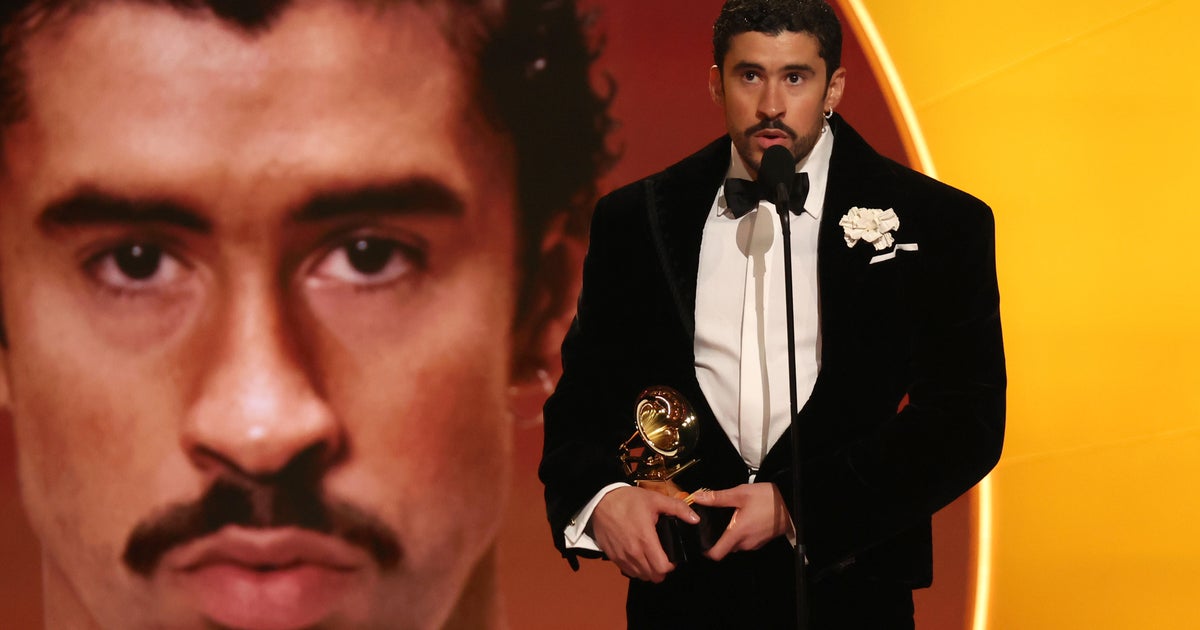
The 68th Annual Grammy Awards ceremony on Sunday night became an unexpected platform for political activism when global superstar Bad Bunny used his acceptance speech to make an impassioned plea for immigration reform and human dignity. The Puerto Rican artist, whose real name is Benito Antonio Martínez Ocasio, didn’t mince words when he took the stage at Los Angeles’s Crypto.com Arena to accept his Grammy for Best Música Urbana Album for “Debí Tirar Más Fotos.” In a moment that immediately went viral and sparked conversations across social media, the 31-year-old musician opened his speech with a direct challenge to federal immigration authorities, declaring “ICE out” before even thanking God. His words resonated throughout the arena and beyond, as the ceremony was being broadcast live on CBS and streaming on Paramount+, reaching millions of viewers worldwide. The timing of his statement was particularly poignant, coming amid nationwide protests against Immigration and Customs Enforcement operations, including demonstrations happening right outside the venue in Los Angeles that very weekend.
Demanding Humanity and Recognition
What made Bad Bunny’s speech particularly moving was his insistence on the basic humanity of immigrants and their rightful place in American society. “We’re not savage, we’re not animals, we’re not aliens,” he stated firmly, his voice carrying the weight of countless stories from communities affected by aggressive immigration enforcement. “We are humans and we are Americans.” These simple yet profound words cut through the political rhetoric that often dehumanizes immigrants, reminding the audience—and the nation watching—that the people affected by immigration policies are individuals with families, dreams, and contributions to American society. The response was immediate and overwhelming: the audience erupted in applause, with many attendees rising to their feet in solidarity. This standing ovation wasn’t just for his musical achievement but for his courage in using his platform to speak truth to power. In an era where celebrities often stay silent on controversial issues to protect their commercial interests, Bad Bunny’s willingness to speak out demonstrated the kind of moral leadership that transcends entertainment.
A Message of Love in Times of Division
Perhaps the most compelling part of Bad Bunny’s speech came when he pivoted from condemnation to a message of hope and love. Acknowledging the difficulty of maintaining compassion in polarized times, he spoke directly to those who might be tempted to respond to aggression with aggression. “I know it’s tough to know, not to hate on these days,” he admitted, showing an understanding of the emotional toll these issues take on affected communities. He then struggled to find the English word for “contaminado”—contaminated—illustrating how hate can spread like a contagion when left unchecked. But rather than letting that darkness prevail, he offered an alternative: “The hate get more powerful with more hate. The only thing that’s more powerful than hate is love.” This wasn’t naive optimism or empty platitudes; it was a strategic call for resistance through love rather than hatred. He urged his listeners to remember that fighting for justice doesn’t require becoming what you oppose. “If we fight, we have to do it with love,” he emphasized. “We don’t hate them. We love our people. We love our family and there’s a way to do it, with love, and don’t forget that.” These words reflected a deep wisdom about sustainable activism—that movements built on love for one’s community are more enduring than those fueled solely by anger.
An Artist Who Walks the Walk
Bad Bunny’s Grammy speech wasn’t an isolated incident or opportunistic moment of virtue signaling—it was consistent with his long-standing advocacy on immigration issues. The superstar, who has won four Grammys and an impressive 12 Latin Grammys throughout his career, has put his principles into practice in ways that have cost him professionally. Most notably, he made the bold decision not to include any U.S. dates on his world tour promoting his most recent album. In an interview with i-D magazine, he revealed that this decision was made partly out of concern over ICE raids and the climate of fear they create in immigrant communities. This wasn’t a small sacrifice—touring in the United States represents enormous revenue potential for any artist, particularly one with Bad Bunny’s massive following. By forgoing these opportunities, he sent a clear message that his values weren’t for sale and that he stood in solidarity with communities living under the constant threat of family separation and deportation. As he prepares to headline the 2026 Apple Music Super Bowl halftime show next week—one of the most-watched musical performances in the world—his platform and influence continue to grow, and with it, his ability to amplify these critical issues.
A Chorus of Solidarity
Bad Bunny wasn’t alone in using the Grammy platform to speak out against current immigration enforcement policies. British singer Olivia Dean, who won the award for Best New Artist earlier in the evening, acknowledged her own immigrant heritage during her acceptance speech. “I’m up here as a granddaughter of an immigrant,” she said proudly. “I wouldn’t be here… I am a product of bravery and I think that those people deserve to be celebrated.” Her words highlighted the fundamental truth that immigration is woven into the fabric of American society and the entertainment industry itself. Many artists throughout history—and in that very room—owe their success to ancestors who took brave journeys to new lands seeking better lives. The solidarity continued beyond the stage, with several high-profile artists making quieter but equally important statements. Billie Eilish and Jack Antonoff were among those spotted wearing “ICE OUT” pins as they walked the red carpet and sat in the audience, using their visibility to support the cause. Eilish, never one to shy away from speaking her mind, also used her own acceptance speech to declare, “No one is illegal on stolen land,” and added an emphatic “F*** ICE,” demonstrating that the younger generation of artists is increasingly unwilling to separate their art from their activism.
The Ripple Effect of Speaking Out
The impact of moments like Bad Bunny’s Grammy speech extends far beyond the awards ceremony itself. When artists with massive platforms use their visibility to address social justice issues, they accomplish several important things simultaneously. First, they validate the experiences and fears of affected communities, letting them know they’re seen and their struggles matter. For immigrants and their families living in fear of deportation, hearing a beloved artist speak up on their behalf can provide comfort and solidarity during frightening times. Second, these statements educate and raise awareness among people who might not otherwise engage with these issues. Many viewers tune in to the Grammys purely for entertainment, but they leave having been exposed to perspectives and realities they might not encounter in their daily lives. Third, they help normalize the idea that speaking out is not only acceptable but necessary—that silence in the face of injustice is itself a choice with consequences. As more artists follow Bad Bunny’s example, the collective voice becomes harder to ignore, potentially influencing public opinion and, ultimately, policy. In an entertainment landscape often criticized for superficiality, these moments remind us of the power of art and artists to inspire change, challenge the status quo, and insist that we can—and must—do better as a society. Bad Bunny’s message that love is more powerful than hate offers a roadmap forward, one that honors the dignity of all people while fighting for justice with compassion rather than cruelty.