
FBI Closes Nevada Voter Fraud Investigation: Finding Only 38 Potential Non-Citizen Voters
Investigation Reveals Minimal Evidence of Election Irregularities
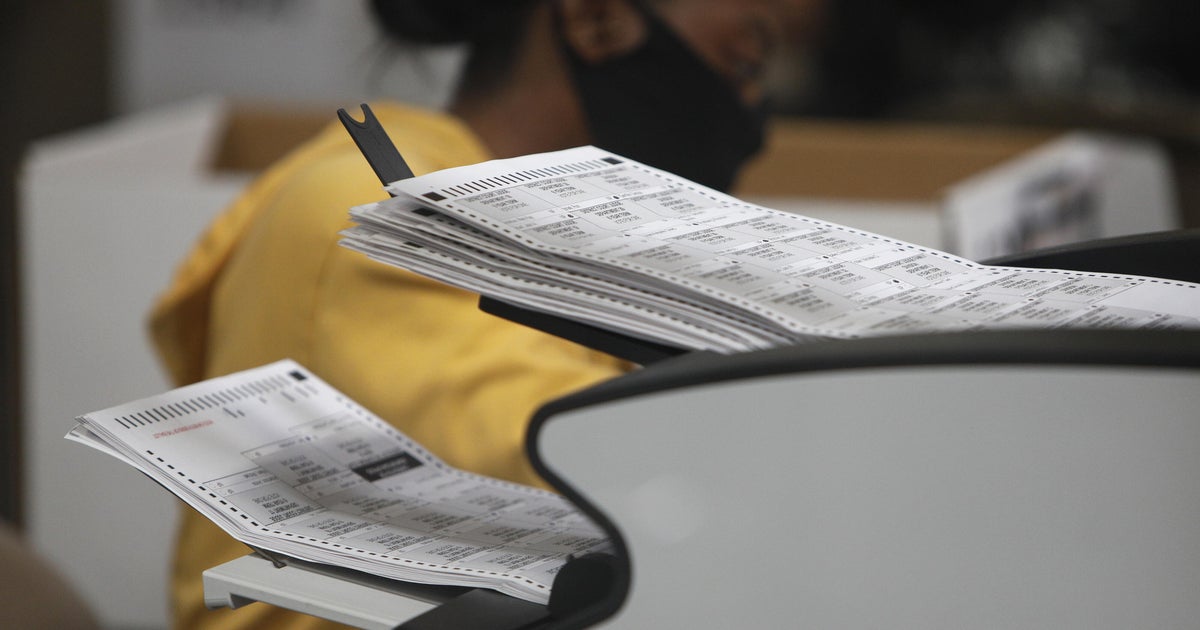
The FBI has wrapped up a controversial investigation into alleged voter fraud during Nevada’s 2020 presidential election, discovering that only 38 non-citizens may have cast ballots. This finding comes after months of politically charged inquiry initiated by Sigal Chattah, Nevada’s first assistant U.S. attorney, who had claimed the investigation could potentially overturn a Democratic congressional seat and implicate President Trump’s political opponents. The probe, which began in July following Chattah’s directive to the FBI, centered on data provided by the Republican Party that supposedly demonstrated widespread voting by non-citizens and alleged cash-for-ballot schemes on Indian reservations. However, after cross-referencing Nevada voter registration records with Department of Homeland Security citizenship data, federal investigators found remarkably little evidence to support these explosive claims. The FBI officially closed the case in late January, citing not only the minimal findings but also the expiration of the statute of limitations for prosecuting any potential violations, making it legally impossible to pursue charges even in the few cases identified.
Ethical Questions Surrounding the Investigation’s Origins
The circumstances surrounding this investigation have raised significant concerns about potential conflicts of interest and violations of federal ethics guidelines. Sigal Chattah’s background as a defense attorney for the National Republican Committee, the Nevada Republican Party, and even one of the accused fake electors from the 2020 election creates a web of connections that legal ethics experts find troubling. Before her appointment to the U.S. Attorney’s office, Chattah served as chairwoman for the Republican National Committee in Nevada and unsuccessfully ran for state attorney general against Democrat Aaron Ford—the same official whose office prosecuted the fake elector she once defended. Despite receiving explicit orders from the deputy attorney general’s office to recuse herself from six cases involving individuals with political ties to her, Chattah proceeded with the election fraud investigation just days after receiving those instructions. She even continued attempting to contact Justice Department staff working on matters from which she was explicitly barred. Legal experts like Nancy Rapoport, a law professor specializing in ethics at the University of Nevada, emphasize that government officials must scrupulously avoid conflicts of interest to maintain public trust in the justice system, noting that the government’s vast resources compared to private citizens make fairness concerns even more critical.
Broader Implications for Election Integrity Investigations Nationwide
The Nevada investigation’s findings cast doubt on similar election fraud probes being conducted in other swing states, particularly Georgia and Arizona, where federal investigators continue pursuing allegations of 2020 election irregularities. In Georgia’s Fulton County, the FBI executed a search warrant to examine ballots and records, partly based on claims made by White House attorney Kurt Olsen, who has repeatedly made unsubstantiated assertions about widespread election fraud. Meanwhile, Arizona state Senate President Warren Petersen recently disclosed receiving a grand jury subpoena requesting records related to the state Senate’s 2020 audit of Maricopa County, which he turned over to federal investigators. The stark contrast between Nevada’s minimal findings and the ongoing investigations in these other states raises fundamental questions about what probable cause exists to justify continued scrutiny of already-certified elections. Election protection advocates like Dax Goldstein, Election Protection Program Director for the States United Democracy Center, suggest that Nevada’s system functioned properly in defending election integrity, while other states may not be handling similar challenges as effectively. The Justice Department has maintained its commitment to electoral system integrity, stating that it will continue prioritizing efforts to ensure all elections remain free, fair, and transparent, though it hasn’t clarified what distinguishes the cases that proceed from those that don’t.
Political Context and Legislative Response
Against this backdrop of investigations and allegations, former President Trump has been actively pushing Congress to pass the Safeguard American Voter Eligibility Act, legislation that would require Americans to present proof of citizenship in person when registering to vote in federal elections and implement photo ID requirements for casting ballots. Supporters argue such measures would prevent non-citizen voting and strengthen election security, pointing to cases like Nevada’s 38 potential non-citizen voters as justification for stricter requirements. However, Democratic lawmakers have strongly opposed the legislation, warning that it could disenfranchise millions of eligible voters who lack easy access to citizenship documentation or government-issued photo identification. This legislative battle reflects the broader national debate over election security versus voter access, with Republicans typically emphasizing fraud prevention measures and Democrats focusing on removing barriers to voting. The Nevada investigation’s findings—revealing that even in a closely contested swing state, potential non-citizen voting affected fewer than 40 ballots out of more than 1.4 million cast—provide important context for evaluating whether such sweeping legislative changes are proportionate responses to actual problems or solutions in search of problems that don’t meaningfully exist.
Ongoing Concerns About Prosecutorial Ethics and Accountability
Recent developments have intensified scrutiny of Chattah’s continued involvement in politically sensitive cases despite her recusal orders. Just this week, she used her social media account—where she still identifies herself as a U.S. attorney despite a federal court declaring her appointment as interim U.S. attorney unlawful—to comment on one of the six cases from which she was explicitly ordered to recuse herself. The case involves Nye County Republican Commissioner Leonardo Blundo, who faces indictment for allegedly defrauding a COVID-19 pandemic small business relief program. Blundo had previously praised Chattah’s initial appointment in glowing terms, calling her a “fierce patriot” with a “brilliant legal mind.” Chattah reposted a news article about Blundo’s indictment with her own commentary stating that “Fraud will not be tolerated in our community—regardless of the position or identity of those involved,” though the official press release from her office announcing the indictment contained no statement from her. The post was subsequently removed shortly after CBS News requested comment from the Justice Department. Richard Painter, who served as White House ethics lawyer during the George W. Bush administration, explained that lawyers entering government service are prohibited from participating in matters they worked on in the private sector, meaning if Chattah worked on election-related issues before joining the Justice Department, she shouldn’t be involved in them now. While Attorney General Pam Bondi could theoretically grant a waiver allowing such participation, Painter noted that such action would be highly irregular and unprecedented.
Looking Forward: Implications for Election Security and Public Trust
The conclusion of Nevada’s investigation without finding substantial evidence of voter fraud carries significant implications for how Americans understand election security and the integrity of their democratic processes. The fact that an investigation initiated with bold claims about election-stealing and supported by data compiled by a major political party ultimately uncovered only three dozen potential cases of improper voting suggests that many allegations of widespread fraud lack factual foundation. This finding is particularly important given Nevada’s status as a closely contested swing state where even small numbers of fraudulent votes could theoretically influence outcomes—yet even under intense scrutiny, investigators found minimal irregularities. For election officials, poll workers, and voters who have faced accusations of participating in or enabling fraud, the investigation’s results provide vindication and evidence that America’s electoral systems, while imperfect, generally function with remarkable accuracy and integrity. However, the investigation also highlights concerning questions about how political motivations might influence prosecutorial decisions, what safeguards exist to prevent conflicts of interest in sensitive cases, and whether investigations into already-debunked claims represent legitimate law enforcement or political theater. As similar probes continue in other states and as legislative debates over voting requirements intensify, the Nevada case serves as an important data point suggesting that the gap between rhetoric about massive fraud and evidence of actual fraud remains substantial. Moving forward, maintaining public confidence in elections will require both vigilant protection against genuine threats to electoral integrity and careful avoidance of politically motivated investigations that waste resources, undermine faith in democracy, and potentially violate ethical standards governing law enforcement conduct.