


“Isn’t A Crime”: Trump Official Gets Absolutely Roasted Over Epstein Party Defense
The Controversial Defense That Sparked Outrage
In a moment that has ignited fierce criticism across social media and political circles, a Trump administration official found themselves at the center of a firestorm after offering what many consider to be a tone-deaf defense of attending parties hosted by convicted sex offender Jeffrey Epstein. The official’s argument—that attending such gatherings “isn’t a crime”—has been met with widespread condemnation and ridicule from both sides of the political aisle. While the statement may be technically accurate from a legal standpoint, critics argue that it completely misses the point about judgment, character, and the moral responsibilities expected of public servants. The backlash highlights a growing frustration with political figures who seem more concerned with legal technicalities than ethical standards, particularly when it comes to associations with individuals like Epstein, whose crimes against young women and girls have become synonymous with elite exploitation and abuse of power.
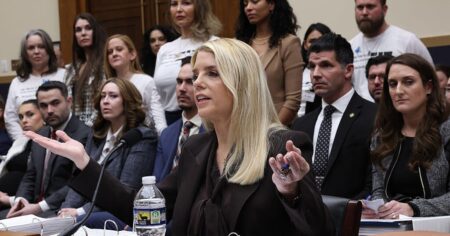
The controversy emerged during what was supposed to be a routine media appearance, where the official was questioned about past connections to Epstein’s social circle. Rather than expressing regret or acknowledging the problematic nature of such associations, the official chose to lean on the defense that merely attending parties wasn’t illegal. This response immediately drew comparisons to other controversial defenses offered by political figures throughout history, where technical legality is used as a shield against legitimate questions about judgment and fitness for office. Social media erupted with responses ranging from sharp-witted takedowns to serious critiques about what this defense reveals about priorities and values among certain political elites. The incident has reignited discussions about accountability, the normalization of connections to problematic figures, and whether the bar for public officials should be set higher than simply “not committing crimes.”
Understanding the Context: Epstein’s Shadow Over the Powerful
To fully grasp why this defense has generated such intense backlash, it’s essential to understand Jeffrey Epstein’s position within elite circles before his crimes became public knowledge and his subsequent conviction and death. Epstein cultivated relationships with politicians, business leaders, academics, and celebrities, positioning himself as a well-connected financier and philanthropist. His parties and gatherings were attended by numerous high-profile individuals who have since struggled to explain or distance themselves from these associations. However, the revelation of Epstein’s systematic sexual abuse of minors, his conviction, and the subsequent investigations into his network of enablers have fundamentally changed how these past associations are viewed. What might have once been dismissed as innocent social networking is now scrutinized through the lens of who knew what and when, and why so many powerful people seemed willing to overlook troubling signs about Epstein’s behavior.
The Epstein case has become a cultural touchstone representing how wealth, power, and connections can shield predators from accountability for extended periods. It has raised uncomfortable questions about complicity, willful ignorance, and the social structures that allow abuse to continue unchecked. When public officials attempt to minimize their connections to Epstein by arguing that attending parties wasn’t illegal, they reveal a fundamental misunderstanding of public concern. Citizens aren’t primarily worried about whether laws were technically broken by attending social events; they’re concerned about the judgment displayed in maintaining friendships or social connections with someone whose predatory behavior was, according to numerous accounts, an open secret among certain elite circles long before his arrest. The defense of “it isn’t a crime” sounds hollow when the real question is about the moral compass and decision-making abilities of those who seek or hold positions of public trust.
The Internet’s Swift and Merciless Response
Once the “isn’t a crime” defense hit the airwaves, social media users wasted no time in delivering their verdict. Twitter, Reddit, and other platforms exploded with responses that ranged from clever wordplay to devastating critiques. Many users pointed out that while attending parties might not be illegal, it certainly isn’t the ringing endorsement of character one might hope for from a government official. Memes proliferated showing the incredibly low bar being set: “I didn’t commit a crime” as a qualification for public service. Comedians and political commentators jumped into the fray, with several noting that “I attended parties with a convicted sex trafficker, but technically it wasn’t illegal” is perhaps the worst defense anyone could offer when trying to maintain public confidence.
The roasting extended beyond simple mockery, however. Legal experts and ethicists weighed in to explain why this defense fundamentally misunderstands the standards to which public servants should be held. Unlike private citizens, those who hold positions of public trust are expected to exercise exceptional judgment, not merely avoid criminal prosecution. The bar for elected and appointed officials should be significantly higher than simply staying on the right side of the law. Many responses highlighted how this defense inadvertently makes the official look worse, not better—it suggests that their moral calculus involves only whether something is technically legal, not whether it’s right, appropriate, or consistent with the values they claim to represent. Some of the most powerful responses came from victims’ advocates and survivors of sexual abuse, who expressed pain and frustration at seeing powerful people minimize associations with a known predator by hiding behind legal technicalities.
Political Ramifications and Double Standards
The incident has also highlighted perceived double standards in how political figures are held accountable for their associations and past behavior. Critics have been quick to point out that this same administration and its supporters have often demanded that political opponents answer for far more tenuous connections to controversial figures. The “isn’t a crime” defense has been contrasted with the intense scrutiny applied to others for attending events, belonging to organizations, or having any connection—no matter how distant—to individuals or groups considered problematic. This apparent inconsistency has fueled accusations of hypocrisy and selective application of ethical standards depending on political affiliation.
Furthermore, the controversy has reignited debates about how different standards seem to apply to different people within political and social hierarchies. Many observers have noted that ordinary citizens face professional and social consequences for associations and behavior far less problematic than maintaining friendships with convicted sex offenders, yet some political figures seem to believe that invoking legal technicalities is sufficient defense. This disconnect between the standards applied to regular people and those apparently applied to the powerful has become a source of significant public frustration. The incident serves as yet another example of what critics characterize as an elite class that operates by different rules, where connections, wealth, and political power provide insulation from the reputational consequences that others would face for similar associations.
The Broader Conversation About Accountability
Beyond this specific incident, the controversy has contributed to a larger cultural conversation about accountability, complicity, and what society should expect from its leaders. The #MeToo movement and subsequent reckonings with sexual misconduct and abuse have raised public awareness and expectations regarding how seriously allegations should be taken and how those connected to abusers should respond. In this context, a defense based on “it isn’t a crime” feels particularly outdated and disconnected from evolving social standards. People increasingly expect public figures to do more than simply avoid criminal prosecution—they expect genuine accountability, recognition of poor judgment, and meaningful efforts to address systemic issues that enable abuse.
The Epstein case specifically has become a litmus test for how seriously public figures take issues of sexual exploitation and abuse of power. When officials minimize their connections to Epstein or fail to acknowledge the significance of those associations, it sends a troubling message about priorities and values. The public response to this latest defense suggests that people are increasingly unwilling to accept minimizing rhetoric or legal technicalities as adequate responses to legitimate questions about judgment and character. This incident may represent a broader shift in which citizens demand more from their leaders than simply staying out of jail—they want leaders who demonstrate wisdom, ethical clarity, and a genuine understanding of right and wrong that goes beyond what’s merely legal.
Moving Forward: Lessons and Implications
As the controversy continues to unfold, it offers several important lessons for political figures and public servants. First and foremost, it demonstrates that the American public increasingly rejects the idea that avoiding criminal prosecution is sufficient qualification for leadership. When questioned about problematic associations or past behavior, responding with legal technicalities rather than genuine accountability is likely to backfire spectacularly in the court of public opinion. The swift and severe backlash to this “isn’t a crime” defense should serve as a warning that such arguments will be met with ridicule and condemnation rather than acceptance.
The incident also underscores the lasting impact of the Epstein scandal and what it represents in the public consciousness. Epstein has become a symbol of elite impunity, systemic abuse, and the failure of institutions to protect the vulnerable. Any association with him carries significant weight, and attempts to minimize those connections will be viewed with deep suspicion and criticism. For political figures hoping to maintain public trust, the lesson is clear: transparency, accountability, and genuine acknowledgment of poor judgment are far more effective than hiding behind the shield of “it isn’t technically illegal.” As society continues to grapple with questions of power, abuse, and accountability, the standards for those in public service will likely continue to rise, demanding not just legal compliance but ethical leadership that reflects genuine moral clarity and commitment to protecting the vulnerable rather than excusing associations with their abusers.