

Senior U.S. General’s Security Lapses in Ukraine Raise Serious Concerns
A Troubling Pattern of Misconduct
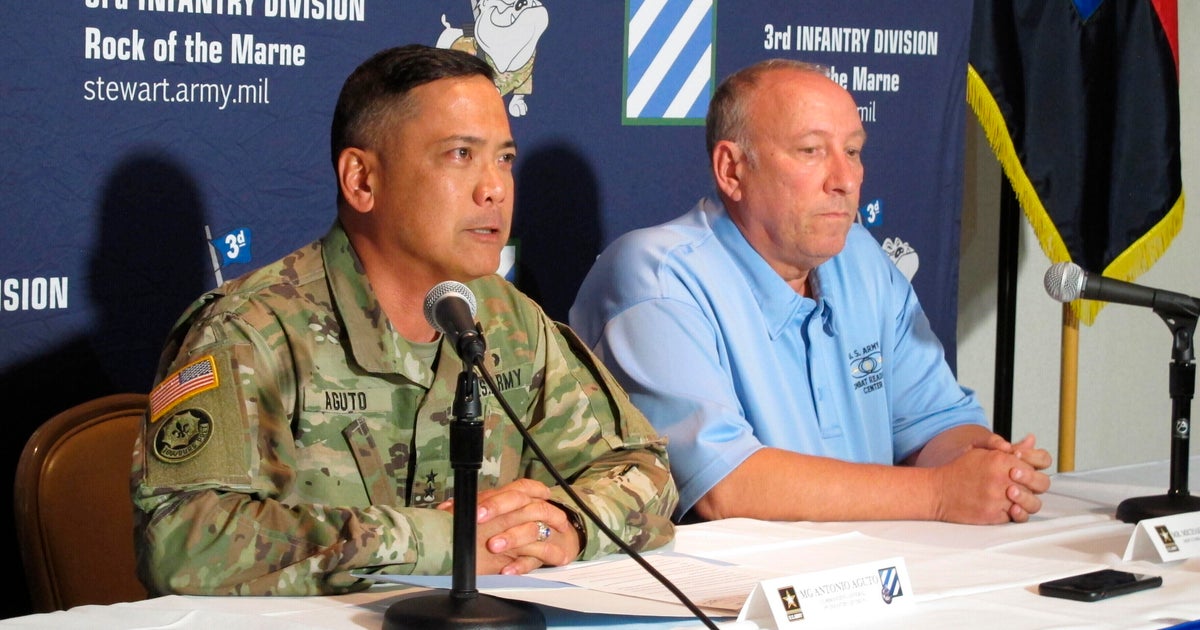
A recent Pentagon inspector general investigation has revealed serious lapses in judgment and security protocol by one of the highest-ranking U.S. military officials overseeing assistance to Ukraine during a critical period of the war. Major General Antonio Aguto, who was responsible for coordinating American military support to Ukraine from December 2022 through September 2024, found himself at the center of a damaging report that detailed two significant incidents involving mishandled classified information and alcohol-related impairment. These revelations come at a particularly sensitive time, as the United States has invested over $50 billion in security assistance to help Ukraine defend itself against Russian aggression. The findings underscore the immense responsibility carried by military leaders in such high-stakes positions and raise questions about oversight mechanisms designed to prevent such security breaches. For a general entrusted with coordinating billions of dollars in military aid and having access to some of America’s most sensitive intelligence about an ongoing conflict, these lapses represent not just personal failures but potential vulnerabilities in national security.
The Missing Maps Incident
The first major incident occurred in April 2024 when General Aguto was returning from Ukraine to Germany following an official visit. Somewhere during his journey, he misplaced a tube containing classified maps measuring between 1.5 and 3 feet that were marked with “SECRET” designation. These weren’t ordinary travel documents—they were detailed maps describing aspects of the ongoing war in Ukraine, the kind of sensitive intelligence that could potentially compromise military operations or reveal strategic American insights into the conflict. According to the inspector general’s report, Aguto realized the documents were missing either that same night or the following morning, prompting him to notify the U.S. embassy in Ukraine about the security breach. The general and his team had been traveling on a special train established by the State Department in partnership with Ukrainian railways specifically for transporting U.S. personnel—not a public transportation option but a supposedly secure means of moving American officials. When notified about the missing documents, the Ukrainian director of train security located the tube still aboard the train and dispatched a Ukrainian national to deliver it to the American embassy. While General Aguto argued in his response that there was no indication the classified information had been compromised, the inspector general’s office maintained he was at fault. The report’s language was particularly pointed, noting that “those documents were left on the train, unsecured, and later recovered by Ukrainian nationals.” This detail is significant because even though Ukraine is an American ally receiving substantial military support, classified U.S. documents are meant to remain under American control at all times, and their exposure to foreign nationals—even friendly ones—represents a security breach.
The Kyiv Incident: When Drinking Derailed Duty
The second incident from May 2024 proved even more problematic in some respects because it directly prevented General Aguto from performing his official duties, including attending a meeting with Secretary of State Antony Blinken, one of the most senior members of the U.S. government. The evening before these important meetings, Aguto went out to dinner in Kyiv around 5:00 p.m. and didn’t return to his accommodations until after 11:00 p.m. During this time, his condition deteriorated to the point where his own aide sent a revealing text message to another staff member who was preparing communication equipment for the general. At around 10:00 p.m., when asked how much longer they would be, the aide accompanying Aguto texted back: “We are still going strong… I don’t think he is going to check anything. Have it ready but he’s too drunk.” This contemporaneous assessment from his own staff member provides a stark picture of the general’s condition that evening. When Aguto finally returned to his hotel room, the situation went from problematic to dangerous. According to witness accounts, he suddenly lost his balance and fell backward, striking the back of his head against the wall. This wasn’t an isolated stumble—over the next 24 hours, he fell two more times, and his behavior was described as “slow” enough that it warranted medical consultations. Medical professionals conducted a CT scan and an EKG at a local hospital, ultimately diagnosing him with a concussion. While the inspector general’s investigation did not officially substantiate allegations that Aguto was intoxicated while on duty, the report reached a damning conclusion nonetheless: Aguto was unable to perform his duties because of a concussion caused by falls that began with the incident in his hotel room after what the report termed an “overindulgence in alcohol.”
The Broader Context and Stakes
Understanding the significance of these incidents requires appreciating the broader context of General Aguto’s role and responsibilities. During his tenure overseeing U.S. military assistance to Ukraine from late 2022 through much of 2024, America dramatically ramped up its support for Ukraine’s defense against the Russian invasion that began in February 2022. By May 2024, around the time of these incidents, the United States had committed an astounding $50.6 billion in security assistance to Ukraine, according to Pentagon fact sheets. This wasn’t simply financial aid—it represented sophisticated weapons systems, intelligence sharing, training programs, logistical support, and strategic coordination at the highest levels. General Aguto sat at the nexus of this massive undertaking, responsible for ensuring that American military support reached Ukrainian forces effectively and that U.S. interests were properly represented and protected. His position required impeccable judgment, absolute discretion with classified information, and the ability to represent American interests in meetings with senior Ukrainian officials, allied representatives, and top U.S. government leaders like Secretary Blinken. The classified maps he misplaced on the train likely contained sensitive information about Ukrainian defensive positions, Russian force deployments, or American assessments of the military situation—exactly the kind of intelligence that could prove valuable to adversaries if compromised. Similarly, his inability to attend meetings with the Secretary of State due to a concussion sustained after excessive drinking represented not just a personal failure but a gap in American diplomatic and military coordination at a crucial moment in the conflict.
Implications for Military Standards and Accountability
The inspector general’s findings and recommendations carry significant weight within the military justice and administrative system. The report explicitly recommended that the Secretary of the Army take “appropriate action” with respect to General Aguto in light of what it termed “substantiated misconduct.” This language is carefully chosen in military investigations and indicates that the inspector general found sufficient evidence to conclude that Aguto’s actions violated expected standards of conduct for an officer of his rank and position. For context, military officers, particularly those at the general officer level, are held to extraordinarily high standards precisely because they carry such significant responsibilities and have access to highly classified information. The concept of “conduct unbecoming an officer” encompasses a wide range of behaviors that might undermine confidence in military leadership or compromise operational security. What makes this case particularly notable is the combination of two separate types of misconduct: a security breach involving classified documents and impairment that prevented the performance of duties. Either incident alone might warrant administrative action, but together they paint a picture of a pattern of questionable judgment. The fact that these incidents occurred within weeks of each other, both during a critical period of Ukraine operations, raises questions about whether there were warning signs that went unaddressed or whether the demands and stress of the position contributed to deteriorating judgment and discipline.
Looking Forward: Lessons and Reforms
Beyond the immediate consequences for General Aguto’s career, these incidents should prompt broader reflection about how the military manages high-pressure assignments, ensures proper handling of classified information in active conflict zones, and addresses alcohol-related issues among senior leaders. The Ukraine assignment was undoubtedly demanding—coordinating tens of billions of dollars in military assistance, navigating complex diplomatic relationships, frequently traveling between Ukraine and European bases, and managing the stress of supporting a nation engaged in existential warfare. The military has long struggled with how to address alcohol culture, particularly in deployed or high-stress environments, where drinking can become both a social bonding mechanism and a coping strategy for stress. However, the standards for general officers must remain uncompromising because the consequences of impaired judgment at that level can affect national security and the lives of service members. Similarly, the mishandling of classified documents, even without evidence of intentional wrongdoing or confirmed compromise, represents an unacceptable security risk. The fact that Ukrainian nationals ultimately recovered the documents, despite Ukraine being an ally, highlights the vulnerability created when proper security protocols aren’t maintained. Moving forward, this case may prompt reviews of how classified materials are transported in conflict zones, what oversight mechanisms exist for senior officers operating in high-stress environments, and whether current systems for identifying and addressing potential alcohol-related issues among leadership are adequate. The lessons from General Aguto’s case extend beyond one individual’s misconduct to broader questions about how America’s military maintains the highest standards of professionalism and security even amid the extraordinary demands of supporting allies in active conflicts.