

Cuba Stands Firm as Trump Threatens Action Against the Island Nation
Defiant Leadership in the Face of American Pressure
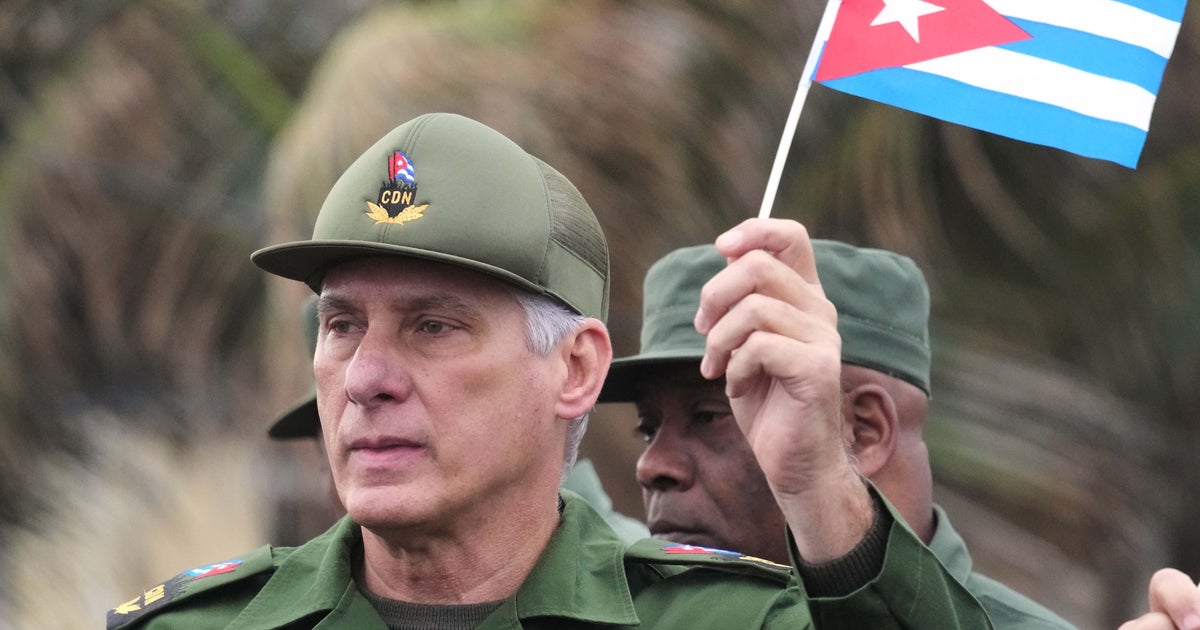
Cuban President Miguel Díaz-Canel Bermúdez has issued a strong warning to the United States, promising unwavering resistance against any potential American aggression toward his nation. In a passionate statement posted on social media late Tuesday evening, the Cuban leader made it clear that his country would not back down, declaring that “any external aggressor will clash with an impregnable resistance.” His words came in direct response to increasingly bold statements from President Trump about potentially “taking” Cuba, marking a significant escalation in tensions between the two nations that have been adversaries for over six decades. The Cuban president accused the United States of plotting to overthrow his government and exploit the island’s resources, framing the current situation as an existential threat to Cuban sovereignty. This exchange represents one of the most serious diplomatic confrontations between Washington and Havana in recent years, with both leaders using increasingly aggressive rhetoric that has observers wondering where this standoff might lead.
Trump’s Evolving Cuba Strategy and Ambiguous Intentions
President Trump’s comments about Cuba have become progressively more aggressive and concerning to international observers. During a White House event, he cryptically announced that “we’ll be doing something with Cuba very soon,” without providing specific details about what actions he’s contemplating. His statements over recent weeks have ranged from suggesting a “friendly takeover” to more forceful declarations that he could “free it, take it” and do “anything I want with it.” The president has also indicated that discussions are ongoing between the two governments, telling reporters that he expects to either “make a deal or do whatever we have to do” with Cuba in the near future. However, he added that addressing the ongoing conflict with Iran takes priority over Cuban affairs. This vague and sometimes contradictory messaging has left both allies and adversaries uncertain about America’s true intentions toward the island nation. Trump’s foreign policy approach this year has been characterized by bold military and economic actions, including an operation to capture Venezuelan President Nicolas Maduro and the launch of military operations against Iran, suggesting he may be willing to back up his words with concrete action regarding Cuba as well.
Economic Warfare: Sanctions Intensify Cuba’s Suffering
The Trump administration has dramatically increased economic pressure on Cuba through aggressive sanctions that have brought the island nation to its knees. Earlier this year, the U.S. government threatened to impose tariffs on any countries that sell oil to Cuba, effectively cutting off the island’s petroleum supply lines and causing shipments to virtually stop. This move has had devastating consequences for ordinary Cubans, who were already struggling with severe energy shortages. The sanctions have aggravated an existing energy crisis to catastrophic levels, triggering widespread fuel shortages that have paralyzed transportation and commerce across the island. Just this week, the entire country experienced island-wide power blackouts, leaving millions of Cubans without electricity for essential needs like refrigeration, cooking, and medical care. The desperate situation has sparked public protests—a rare occurrence in the tightly controlled communist state—as frustrated citizens took to the streets last week to express their anger over the intolerable living conditions. These economic pressures appear designed to force the Cuban government to make significant concessions or face complete economic collapse, though it remains unclear whether this strategy will achieve its intended goals or simply deepen the humanitarian crisis affecting ordinary Cuban families.
Legal Threats and Regime Change Ambitions
Beyond economic sanctions, the United States is pursuing legal avenues to pressure Cuban leadership. Federal prosecutors in Miami have been actively targeting Cuban government officials for possible prosecution on a range of serious charges, including economic crimes, drug trafficking, violent offenses, and immigration violations. This legal strategy represents another front in America’s multifaceted campaign against the Cuban government, potentially putting individual leaders at risk of arrest and prosecution if they ever leave Cuban territory. In January, a U.S. official attempted to clarify American intentions, telling reporters that Washington does not seek to trigger a complete collapse of the Cuban government. Instead, the official claimed the goal is to negotiate with Havana to facilitate a transition away from its authoritarian communist system toward a more democratic form of governance. However, this reassurance seems contradicted by the severity of the economic sanctions and the president’s threatening rhetoric, leaving many to question whether regime change remains the true objective. The combination of economic strangulation, legal threats, and aggressive presidential statements suggests a coordinated strategy designed to force fundamental political transformation in Cuba, whether through negotiated transition or through the collapse and replacement of the current government.
Cuba’s Desperate Economic Reforms
Facing unprecedented pressure and economic catastrophe, Cuban officials have announced significant policy changes that would have been unthinkable just a few years ago. On Monday, one of Cuba’s top economic officials revealed plans to allow Cuban nationals living abroad—including the large Cuban-American community in the United States—to invest directly in companies on the island for the first time in decades. This represents a remarkable concession from a government that has maintained strict state control over the economy since the 1959 revolution. The move appears designed to attract desperately needed foreign capital and expertise to help stabilize Cuba’s collapsing economy. However, there’s considerable skepticism about whether this reform will actually generate significant new investment. The tight U.S. sanctions regime makes it extremely difficult and risky for Americans to conduct business with Cuba, potentially limiting the practical impact of this policy change. Even Cuban-Americans who might want to invest in their homeland face legal obstacles and the risk of running afoul of U.S. sanctions. Secretary of State Marco Rubio, himself of Cuban descent, quickly dismissed the reforms as inadequate, declaring on Tuesday that “Cuba has an economy that doesn’t work and a political and governmental system that can’t fix it.” He insisted that much more dramatic changes would be necessary to address Cuba’s fundamental problems, essentially telling Cuban leaders that their concessions don’t go nearly far enough to satisfy American demands.
Uncertain Future and Humanitarian Concerns
As tensions continue to escalate between Washington and Havana, the immediate future remains deeply uncertain for Cuba’s eleven million citizens. The island nation finds itself caught between an unyielding American pressure campaign and a Cuban government determined to maintain its political system despite mounting economic catastrophe. The humanitarian situation continues to deteriorate, with ordinary Cubans bearing the brunt of both the sanctions and their government’s economic mismanagement. The power blackouts, fuel shortages, and general economic collapse are creating conditions of genuine hardship that affect access to food, medicine, and basic services. International observers worry that continued escalation could lead to a refugee crisis, with desperate Cubans attempting dangerous sea crossings to reach the United States, as happened during previous crisis periods. President Trump’s ambiguous statements about “doing whatever we have to do” raise concerns about potential military action, though such a move would face significant international opposition and practical challenges. Meanwhile, the Cuban government shows no signs of capitulating to American demands for fundamental political transformation, setting the stage for a prolonged standoff. The question now is whether diplomacy can find a path forward that addresses legitimate concerns about democracy and human rights while avoiding humanitarian catastrophe, or whether this confrontation will continue to escalate with unpredictable and potentially dangerous consequences for the entire region.