


Trump Administration Launches Major Anti-Fraud Task Force to Target Welfare Abuse
A New Watchdog Takes Shape in Washington
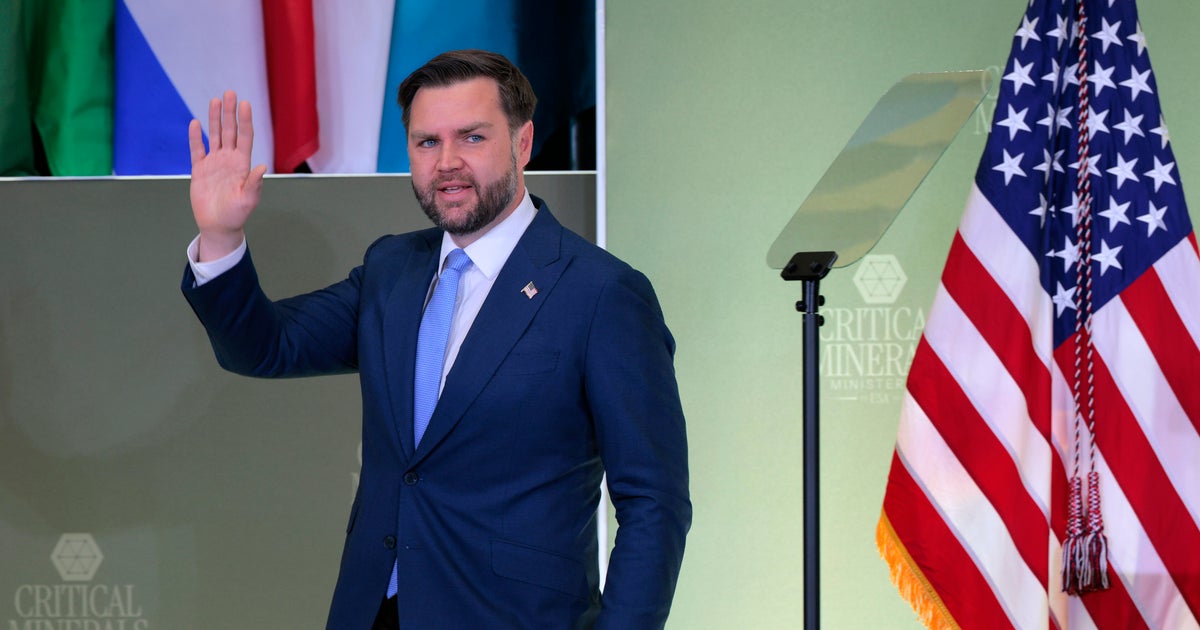
The Trump White House is putting the finishing touches on an ambitious new initiative designed to crack down on fraud in government welfare programs across the United States. According to multiple sources familiar with the planning, President Trump is expected to sign an executive order in the coming days that will establish a specialized anti-fraud task force, with Vice President JD Vance taking the helm as chairman. This high-profile appointment signals just how seriously the administration views the issue of welfare abuse and fraud in taxpayer-funded programs. The decision to place the Vice President at the forefront of this effort is clearly meant to send a strong message about its importance to both the American public and government agencies at all levels.
Working alongside Vance will be Andrew Ferguson, currently serving as chairman of the Federal Trade Commission, who will step into the role of vice chairman for the task force. Ferguson brings considerable experience in consumer protection to the table, having spent his career working to prevent Americans from being exploited by fraudulent schemes. In this dual capacity, he’ll be juggling his existing responsibilities at the FTC while also managing the day-to-day operations of the newly formed task force. The structure also includes Colin McDonald, Trump’s nominee for a newly created fraud investigator position at the Justice Department, who will technically report to Attorney General Pam Bondi and Deputy AG Todd Blanche but will maintain close working relationships with both Vance and Ferguson. This somewhat unconventional arrangement has already raised eyebrows among Democrats and government watchdog groups, who worry it could potentially allow the White House to exert inappropriate political influence over investigations, possibly targeting political opponents of the president.
Why Now? The Fraud Problem Reaching Crisis Levels
The push for this new task force isn’t happening in a vacuum. Across the country, particularly in states like California and Minnesota, auditors have uncovered staggering amounts of fraud in various government programs. In California alone, investigators have discovered billions of dollars in fraudulent claims related to unemployment benefits, pandemic relief assistance, and healthcare programs. These aren’t just accounting errors or bureaucratic mix-ups—we’re talking about systematic exploitation of programs designed to help Americans during their most vulnerable moments. California Governor Gavin Newsom, a Democrat who’s widely considered a potential presidential candidate for 2028, has publicly defended his administration’s efforts to identify and prevent fraud, though the sheer scale of the problem has raised serious questions about oversight and accountability.
Meanwhile, in Minnesota, the situation became so politically toxic that Democratic Governor Tim Walz actually dropped his reelection bid amid mounting scrutiny over massive fraud discovered in the state’s child care program and other welfare initiatives. These high-profile cases have created bipartisan concern about the vulnerability of government assistance programs to exploitation, though there’s considerable disagreement about the best approach to solving the problem. Some officials involved in planning the task force have expressed frustration with what they see as resistance from career Justice Department staff who disagree with Trump’s priorities and methods. There’s a sense among some in the administration that existing fraud units within the DOJ haven’t been aggressive enough in pursuing these cases, possibly due to bureaucratic inertia or political disagreement with the administration’s approach.
The Political Dimension and Concerns About Overreach
It’s impossible to discuss this new initiative without acknowledging the political dynamics at play. The structure of the task force, with its direct White House involvement through Vice President Vance’s leadership, has created immediate concerns about potential political weaponization. Critics worry that an anti-fraud operation with such close ties to the White House could be used to selectively investigate programs in states led by Democratic governors or to pursue cases that might embarrass political opponents. The arrangement that places Colin McDonald within the Justice Department’s reporting structure while simultaneously working closely with White House officials creates what some see as troubling potential for political interference in what should be independent law enforcement activities.
That said, supporters of the initiative argue that the fraud problem is real and demands a coordinated, high-level response that cuts through bureaucratic red tape and jurisdictional squabbles between different agencies. They point to the billions lost to fraud in just a few states as evidence that the existing system isn’t working and that bold action is necessary. The fact that even Democratic governors like Newsom have acknowledged the problem and taken steps to address it suggests this isn’t purely a partisan issue, even if the proposed solutions and their implementation might break along party lines. The challenge will be maintaining credibility and bipartisan support while ensuring that legitimate fraud is pursued vigorously without the effort becoming a political witch hunt.
The Players and Their Portfolios
Vice President JD Vance is already juggling multiple high-profile responsibilities beyond his constitutional duties. He currently serves as vice chair for White House task forces focused on the 2026 FIFA World Cup and 2028 Summer Olympics, positions that involve considerable logistical planning and coordination with multiple government agencies and private sector partners. He’s also the finance chair for the Republican National Committee, a crucial role that puts him in regular contact with the party’s network of major donors and fundraisers. Beyond these organizational roles, Vance has emerged as one of the administration’s most visible spokespeople on economic policy, traveling extensively around the country to promote and defend the president’s agenda. He’s also been a central figure in defending the administration’s immigration policies, particularly following tragic incidents like the fatal shootings of Renee Good and Alex Pretti during encounters with federal officials in Minnesota.
Andrew Ferguson, meanwhile, hasn’t been sitting idle at the Federal Trade Commission. He’s continued pursuing major litigation against some of America’s biggest corporations, particularly in the technology sector, seeking to protect consumers and ensure fair competition. Just last September, Amazon agreed to a substantial $2.5 billion settlement with the FTC. Currently, the commission is appealing its antitrust case against Meta (formerly Facebook) over allegations that the company violated antitrust laws when it acquired Instagram and WhatsApp, fundamentally reshaping the social media landscape in ways that may have harmed consumers and competition. Ferguson’s track record of taking on powerful corporations and his expertise in identifying fraudulent or exploitative business practices make him a logical choice for this new assignment, though managing both roles simultaneously will undoubtedly be challenging.
Implementation Challenges and Unanswered Questions
While the broad outlines of the task force are taking shape, significant logistical and organizational questions remain unanswered. Officials in Deputy Attorney General Blanche’s office are still in the very early stages of figuring out how to build the Justice Department’s new fraud division from the ground up. Basic but crucial decisions about physical location, staffing levels and qualifications, IT infrastructure, and operational procedures are still being worked out. Creating an entirely new federal entity isn’t as simple as signing an executive order—it requires careful planning, substantial resources, and coordination across multiple existing agencies and departments.
One particularly thorny issue is how to structure this new division to avoid unnecessary duplication of effort with the numerous fraud investigation units that already exist within the Justice Department. These existing units operate both at the department’s Washington, D.C. headquarters and within U.S. attorneys’ offices scattered across the country. Coordinating between all these entities while establishing clear jurisdictional boundaries and avoiding bureaucratic turf battles will require diplomatic skill and clear leadership. There’s also the question of timeline—while sources indicate President Trump could sign the executive order creating the task force within days, the actual operational capacity might take considerably longer to develop. Some sources have suggested the signing could slip to later this month, and even after the formal announcement, it could be weeks or months before the task force is fully functional and beginning to produce tangible results. As with many ambitious government initiatives, the devil will be in the details of implementation, and the true measure of success will be whether the task force actually reduces fraud while maintaining appropriate legal and political boundaries.