
Government Plans Emergency Support for Heating Oil Users as Energy Crisis Deepens
Urgent Relief Package on the Horizon
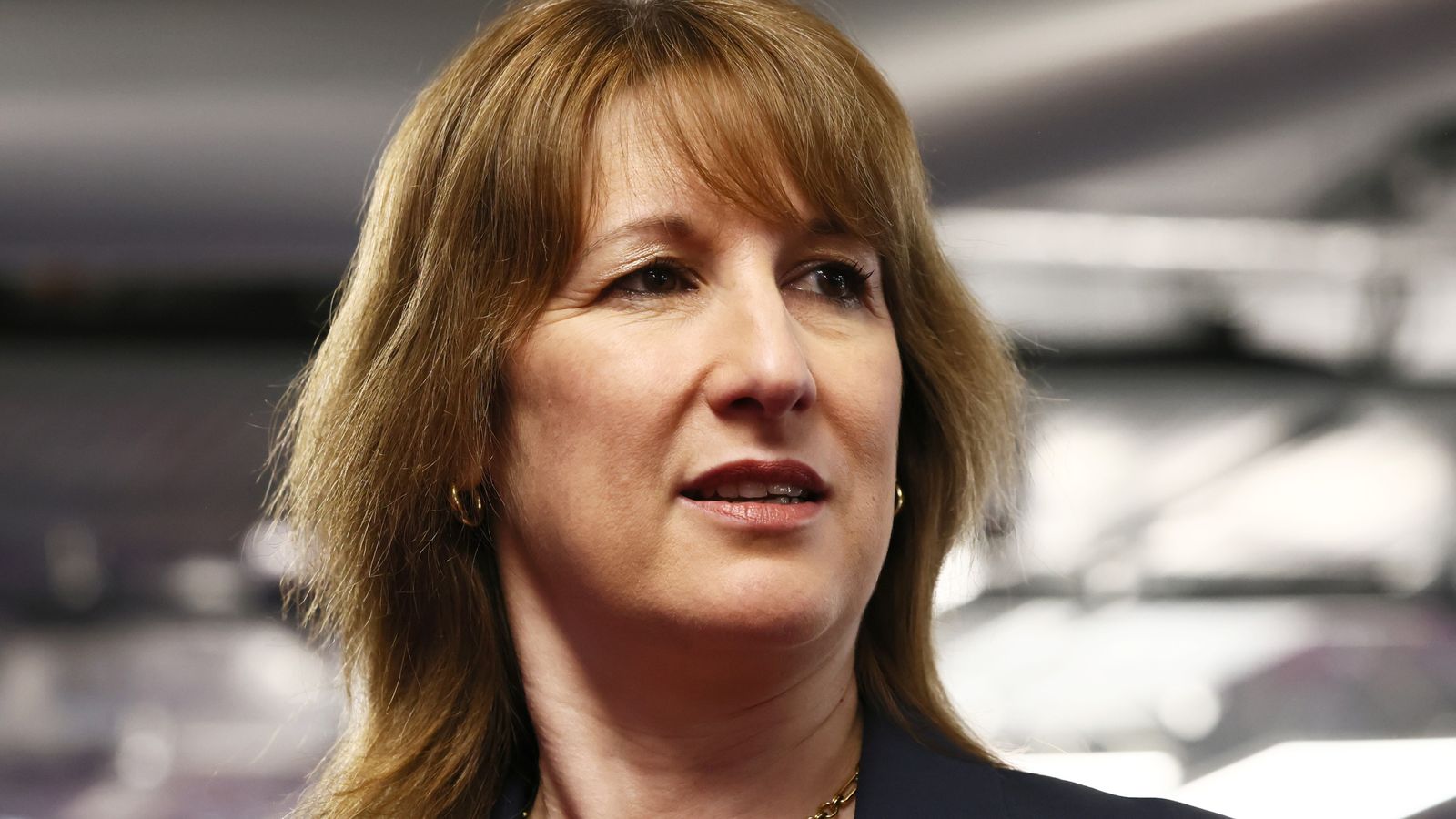
In a move that reflects growing concern about fuel poverty across rural Britain, Chancellor Rachel Reeves is preparing to announce targeted financial support for the country’s most vulnerable households who depend on heating oil. The announcement, expected as early as Monday, comes after intense pressure from Labour MPs representing rural constituencies where residents are facing a genuine crisis. These aren’t just statistics on a spreadsheet – these are real people, many of them elderly and vulnerable, who are making impossible choices between heating their homes and other basic necessities. The situation has become so dire that some constituents have completely run out of oil in their tanks and simply cannot afford to refill them, leaving them in cold homes during some of the harshest months of the year. While heating oil users may represent a relatively small proportion of the UK’s overall population, in certain rural areas where mains gas isn’t available, entire communities rely on this fuel source, making this a critical regional issue that demands immediate government attention.
The Human Cost of Fuel Poverty
Labour MP Terry Jermy, who represents South West Norfolk, has become one of the most vocal advocates for urgent action, and his firsthand accounts paint a troubling picture of life in rural Britain today. Throughout the past week, he’s been persistently warning ministers about the severity of the situation in his constituency, where residents are literally switching off their heating systems because their oil tanks have run dry. “I’ve got people literally turning off their heating because their tank has run empty,” Jermy told Sky News, his words carrying the weight of genuine concern for his constituents’ wellbeing. The MP has made it clear that this isn’t just about discomfort – it’s rapidly evolving into a serious public health crisis. Elderly and vulnerable people, those most at risk from cold-related illnesses, are sitting in freezing homes, unable to heat their living spaces or, in some cases, even cook hot meals. The stark reality is that for these households, the government’s response isn’t a matter of political debate or fiscal policy – it’s about basic survival and dignity. As Jermy forcefully stated, “The government doesn’t have a choice, we’ve got to act.” His words reflect a recognition that inaction could have devastating consequences for the most vulnerable members of society.
A Calculated Gamble on Energy Policy
Beyond the immediate support planned for heating oil customers, Chancellor Rachel Reeves is adopting a notably cautious approach to broader energy support measures, at least for the time being. Rather than announcing sweeping interventions, she and her team of officials are essentially playing a waiting game, hoping that time will work in their favor. Their strategy rests on the assumption that the ongoing conflict in the Gulf region, which has significantly disrupted oil markets and driven up prices, will eventually ease, and when it does, the pressure on energy costs here in the UK will naturally subside. It’s an undeniably defiant stance from the Chancellor, and one that represents a significant gamble – she’s betting that market forces and geopolitical developments will resolve the crisis without requiring massive government expenditure. However, this approach has its risks, both economically and politically, as opposition parties continue to intensify their criticism and apply pressure regarding what happens when the current price cap on energy bills expires in June and when the fuel duty increase takes effect in September.
Political Pressures and Tough Timing
For the Labour government, the timing of this energy crisis couldn’t be worse from a political standpoint. Ministers had been promoting their promise of ‘£150 off energy bills’ as a concrete, tangible example of their commitment to easing the cost of living and putting more money back into people’s pockets. Starting in April, typical household gas and electricity bills are scheduled to decrease as a result of changes the Chancellor announced in last November’s budget. The government’s approach involves scrapping some environmental levies and shifting others onto general taxation – a restructuring that Labour claims will reduce the typical household bill by approximately £150. However, the energy regulator Ofgem has provided a more modest estimate, suggesting the actual saving will be closer to £117 once increased costs for running and maintaining the energy network are factored in. Regardless of the exact figure, the government had hoped this would be seen as a meaningful victory in the battle against rising living costs, demonstrating their commitment to working families and pensioners struggling with everyday expenses.
Fiscal Discipline Versus Social Responsibility
Despite the mounting pressure and the undeniable hardship facing many households, Chancellor Reeves remains firmly committed to fiscal discipline and responsible spending. She’s determined to avoid resorting to the kind of extraordinarily expensive package of universal support that the country implemented in the wake of Russia’s invasion of Ukraine back in 2022. In a revealing interview with The Times, Reeves doesn’t criticize that previous emergency response – recognizing it was necessary at the time – but she does pointedly emphasize that we’re still paying for it today, with those costs continuing to burden the public finances. The Chancellor’s reluctance to repeat such an approach isn’t just about political ideology; it’s rooted in a genuine concern about the long-term financial sustainability of government spending and the national debt burden being passed on to future generations. However, Reeves has indicated that should further support become necessary, the government is now in a better position than it was during the previous crisis. She highlights that officials now have access to better data and more sophisticated targeting mechanisms, meaning any future financial assistance could be means-tested rather than universal, ensuring that help goes to those who truly need it rather than being distributed across the board regardless of household income.
Difficult Decisions Ahead
The government now faces some genuinely difficult weeks ahead as it weighs up its options and tries to chart the best course forward. This isn’t simply about calculating the direct financial cost of potential support measures, though that’s certainly a significant consideration – even targeted, means-tested support could prove very expensive if the energy crisis deepens or persists longer than hoped. There’s also the political cost to consider, which could prove equally significant in the long term. Labour came to power with two clear, central priorities: stimulating economic growth and improving living standards for ordinary working people and families. These weren’t just campaign slogans; they were fundamental promises that shaped voter expectations about what this government would deliver. Now, as the next election cycle approaches, Labour faces the very real prospect of confronting an unforgiving electorate if there’s no tangible evidence of either economic growth or improved living standards, even if the shortfall is due to external factors like international conflicts and global energy markets that are genuinely beyond the government’s control. The challenge for Reeves and her colleagues is to balance fiscal responsibility with social compassion, to provide necessary support without creating unsustainable spending commitments, and to communicate effectively with a public that’s understandably frustrated and worried about their ability to afford basic necessities. How they navigate these treacherous political and economic waters in the coming weeks and months could well define this government’s legacy and determine its prospects for re-election.