
Rachel Reeves Faces Commons Amid Economic Uncertainty: A Spring Statement Preview
A Low-Key Affair With No Major Announcements
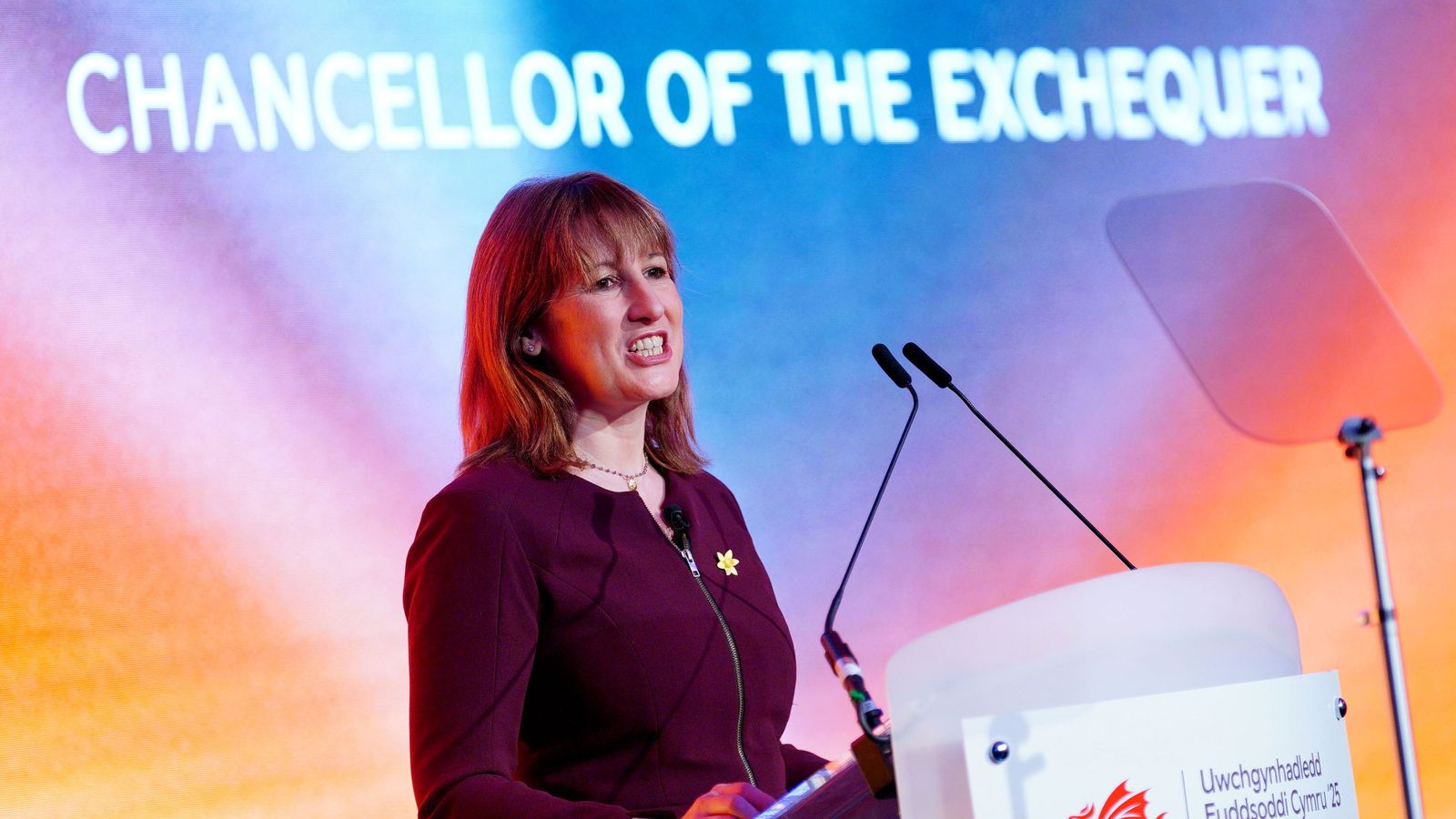
Chancellor Rachel Reeves is preparing to address Parliament today with what’s being billed as a notably understated spring statement, lasting just 20 minutes. Unlike the lengthy autumn budget that dominated headlines last year with intense speculation and major policy reveals, today’s appearance will focus primarily on responding to the latest economic forecasting from the Office for Budget Responsibility (OBR). The government has committed to limiting itself to one major “fiscal event” annually for announcing new policies, and ministers have been clear that this afternoon’s speech won’t include any new tax measures or spending commitments. Instead, Reeves will use the platform to reinforce her message that Labour has “the right economic plan for our country” and that “working people are better off” under the current government. The relatively brief nature of the statement reflects its technical focus, though it comes at a critical moment for both the economy and the government’s political fortunes.
Defending Labour’s Economic Record
Despite the low-key format, the chancellor will use her time at the despatch box to mount a robust defense of Labour’s economic stewardship. She plans to highlight what she sees as the government’s achievements, particularly pointing to falling inflation and recent interest rate cuts as evidence that their economic strategy is working. Reeves will tell MPs that “because of the decisions we have already taken, we have a stronger and more secure economy, inflation and interest rates falling, and in every part of Britain working people are better off.” This messaging represents an attempt to counter growing criticism of the government’s economic management and to reassure both Parliament and the public that Labour’s approach is delivering tangible benefits. The chancellor will emphasize her commitment to what she describes as the three pillars of economic success: stability in public finances, investment in infrastructure, and reform to the broader economy. These themes have become central to Labour’s economic narrative as they seek to distinguish their approach from previous governments.
Navigating Global Economic Headwinds
A significant portion of Reeves’s statement will address the increasingly uncertain global economic landscape and how Britain must respond. She will stress the need to ensure “stability in public finances” particularly as “the world becomes yet more uncertain.” The deteriorating situation in the Middle East is expected to feature prominently in her remarks, with the chancellor acknowledging that developments in that region will have substantial impacts on the global economy and, by extension, British households and businesses. This international context provides both a challenge and a convenient explanation for any economic difficulties, allowing the government to frame some economic pressures as beyond their direct control while emphasizing the importance of their stability-focused approach. The reference to global uncertainty also serves to justify the cautious, no-surprises nature of today’s statement, suggesting that dramatic policy shifts would be inappropriate during such volatile times.
Confronting Disappointing Growth Forecasts
The timing of the spring statement is particularly awkward given recent economic data that has disappointed government hopes. Just weeks ago, the Bank of England significantly downgraded its growth projections for the UK economy, creating an uncomfortable backdrop for Reeves’s appearance. The Bank’s gross domestic product (GDP) forecasts for 2026 were revised down from 1.2% to 0.9%, while projections for 2027 were cut from 1.6% to 1.5%. These downgrades represent a meaningful reduction in expected economic performance and suggest that Britain faces a period of sluggish growth that will make the government’s fiscal commitments more challenging to deliver. While the chancellor is expected to acknowledge these figures in her response to the OBR forecasting, she will attempt to balance realism about the challenges ahead with optimism about Labour’s ability to navigate them. The growth downgrades have provided ammunition to opposition parties who argue that the government lacks a credible plan to revitalize the British economy.
Opposition Demands for Action
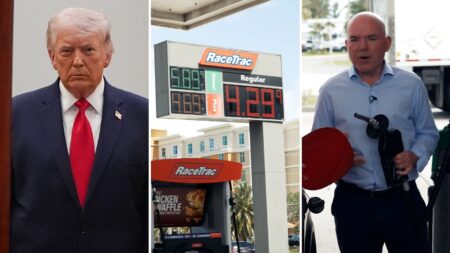
Opposition parties have made clear they expect more than just reassurances from the chancellor, even as the government insists no new policies will be announced. The Liberal Democrats have specifically called on Reeves to use today’s address to scrap a planned increase in fuel duty later this year, arguing that rising costs are hitting households hard. The party’s Treasury spokesperson, Daisy Cooper, emphasized that this is “a critical time for our national and economic security” and urged the government to prioritize securing “a better trade and defense deal with the EU.” Cooper also highlighted international concerns, noting that “Trump’s illegal actions in Iran will be felt in people’s pockets here with the cost of fuel and food set to rise,” connecting global instability directly to domestic living standards. Meanwhile, Conservative shadow chancellor Sir Mel Stride has launched a scathing attack on Reeves’s record, writing on social media: “We’re getting poorer. Unemployment is at pandemic levels and rising. We have the highest borrowing costs in the G7.” He accused the government of lacking honesty and a credible plan to fix the economy, adding that if briefings are accurate, “Reeves will come to parliament on Tuesday and take no action whatsoever.”
The Political Stakes and What Comes Next
Today’s spring statement carries significant political weight despite its technical nature and lack of new announcements. For Rachel Reeves and the Labour government, it represents an opportunity to set the narrative around their economic management as they face increasing criticism from opposition parties and anxiety from voters concerned about living standards. The chancellor’s task is to convince Parliament and the public that stability, patience, and their existing plan represent the right approach, even as growth forecasts disappoint and global uncertainty mounts. The government’s decision to stick with a single major fiscal event per year reflects a desire for predictable, stable economic policymaking, but it also means moments like this carry heightened importance as rare opportunities to address economic concerns directly. How Reeves’s message lands today will influence both public confidence in the government’s economic competence and the political positioning heading into what promises to be an economically challenging period. Whether emphasizing falling inflation and interest rates will be sufficient to counter concerns about sluggish growth, rising unemployment, and international instability remains to be seen, but today’s 20-minute statement will offer important clues about how effectively Labour can defend its economic record under pressure.