
Government Takes Action on Energy Price Crisis Amid Middle East Conflict
Emergency Measures to Combat Price Exploitation
In response to the dramatic surge in energy costs triggered by the ongoing conflict in Iran, Chancellor Rachel Reeves is preparing to unveil comprehensive measures aimed at protecting British consumers from unjustified price increases. The chancellor will address the House of Commons this afternoon following an emergency Cobra meeting with Prime Minister Sir Keir Starmer, where she outlined her proposals to tackle what many fear could become a prolonged period of financial strain for households and businesses across the nation. At the heart of these plans is a robust “anti-profiteering framework” designed to identify and penalize companies attempting to exploit the Middle East crisis by unreasonably inflating prices beyond what the actual market conditions warrant. This framework represents a significant government intervention in the marketplace, signaling that authorities are prepared to take decisive action to ensure that the burden of international conflict doesn’t fall disproportionately on ordinary citizens already struggling with the cost of living.
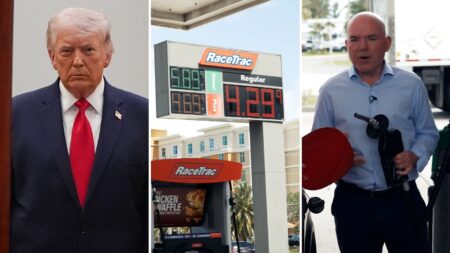
The proposed measures could grant the Competition and Markets Authority enhanced, time-limited powers specifically targeted at rooting out instances of price gouging across various sectors. Prime Minister Starmer emphasized his commitment to giving the regulator “further teeth” to effectively monitor and respond to exploitative pricing practices. A government spokesperson made the administration’s position crystal clear: “We will not allow companies to exploit this crisis to hike their prices to unjustifiable levels. Whether at the fuel pump filling up your car or at the till paying for your groceries, we are working with regulators to make sure the price you pay is a fair one.” This statement underscores the government’s recognition that the impact of rising energy costs extends far beyond household utility bills, affecting everything from transportation costs to food prices as businesses pass increased operational expenses onto consumers.
The Root Cause: Iran Conflict and Global Energy Markets
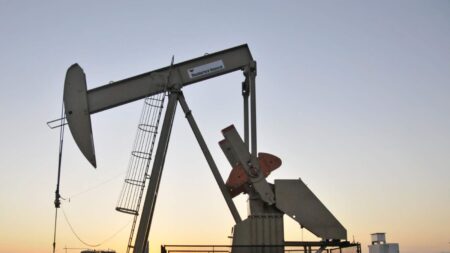
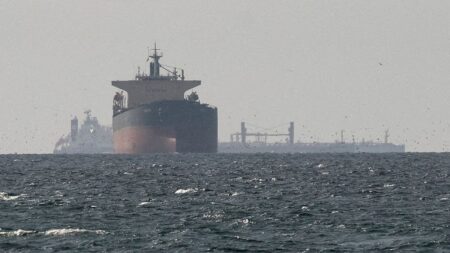
The dramatic increase in oil and gas prices can be traced directly to the war in Iran and its devastating impact on global energy supply chains. The most significant disruption has been the effective closure of the Strait of Hormuz in the Persian Gulf, a critical maritime chokepoint through which approximately 20% of the world’s oil and liquefied natural gas normally passes. This closure has sent shockwaves through international energy markets, creating supply concerns and driving prices upward at an alarming rate. The situation highlights the vulnerability of global energy systems to geopolitical instability and the interconnected nature of modern economies, where conflicts in distant regions can have immediate and tangible effects on household budgets thousands of miles away.
Prime Minister Starmer has been clear about Britain’s position regarding the conflict itself, stating unequivocally that the UK would not be “dragged into” the war in Iran, emphasizing that it is “not our war.” However, this diplomatic distance hasn’t shielded the nation from the economic consequences of the conflict. The government now finds itself walking a delicate tightrope—attempting to mitigate the domestic economic impact of a foreign war while avoiding direct military involvement and managing public expectations about what level of support can realistically be provided given the current state of public finances.
Energy Bill Support and the Price Cap Dilemma
Perhaps the most pressing concern for millions of British households is the forecast that energy bills are set to reach a three-year high when the current price cap expires at the end of June. This projection has prompted the government to consider additional support measures, though officials are being careful not to promise the kind of extensive intervention seen during the 2022 energy crisis under Liz Truss’s brief premiership. During an appearance before parliament’s Liaison Committee on Monday afternoon, Sir Keir revealed the first indication that the government would offer some form of support for household energy bills extending through the end of the year, though he was quick to temper expectations about the scale of such assistance.
The prime minister’s cautionary tone reflects the difficult reality facing the government: the public finances remain strained, and the treasury simply doesn’t have the capacity to replicate the massive support packages of 2022 without risking serious economic consequences. Starmer acknowledged this constraint explicitly, warning that while the government is committed to helping families cope with rising costs, the support “would not go so far” as previous interventions due to budgetary limitations. This honest assessment represents a significant challenge for the administration, which must balance the political imperative to protect vulnerable households against the fiscal responsibility of maintaining sustainable public finances. The prime minister indicated he is “equally focused” on the next price cap period, suggesting that government deliberations are actively considering various options for cushioning the blow of increased energy costs while maintaining fiscal discipline.
Long-Term Energy Security and Nuclear Ambitions
Beyond immediate crisis management, Chancellor Reeves is expected to emphasize the strategic importance of diversifying Britain’s energy mix as a long-term solution to vulnerability in global energy markets. Central to this vision is an ambitious expansion of nuclear power capacity, which the government sees as essential for achieving energy independence and security. However, nuclear projects have historically faced significant obstacles, including lengthy planning processes and legal challenges that can delay or derail construction for years. To address these “blockers,” as the government characterizes them, Ms. Reeves will announce that she is exploring government-backed indemnities for critical energy security projects.
These indemnities would allow construction to continue even if a project faces legal challenges, effectively removing one of the major sources of delay and uncertainty that have plagued energy infrastructure development in the past. This represents a bold policy innovation that could accelerate the timeline for bringing new energy capacity online, though it’s certain to raise questions about the appropriate balance between efficient project delivery and legitimate environmental and community concerns. The proposal signals that the government views energy security as sufficiently important to warrant streamlining traditional planning and legal processes, a position that will likely generate both support from those frustrated by infrastructure delays and opposition from environmental groups and local communities concerned about being sidelined in decision-making processes.
The Broader Economic Context and Public Response
The government’s response to this crisis is unfolding against a backdrop of continued economic uncertainty and public anxiety about living standards. British households have endured several years of elevated inflation, stagnant wage growth, and increased costs across virtually every category of household spending. The prospect of another spike in energy bills represents yet another blow to family budgets that have already been stretched to breaking point. For many, the current situation evokes painful memories of the 2022 energy crisis, when bills skyrocketed and the government was forced to intervene with unprecedented support measures that ultimately contributed to broader economic instability.
The political stakes are considerable for the Starmer government, which came to power promising competent economic management and a focus on improving living standards for working families. How effectively the administration navigates this crisis will significantly influence public perceptions of its capability and priorities. The challenge is complicated by the continued uncertainty surrounding the duration and intensity of the Iran conflict—without knowing how long supply disruptions will persist, it’s difficult to calibrate the appropriate level and duration of government intervention. Officials must also contend with the reality that some price increases may be legitimate responses to actual supply constraints, while others may represent opportunistic profiteering that deserves regulatory scrutiny and punishment.
Looking Ahead: Monitoring and Adaptation
As Chancellor Reeves prepares to address Parliament this afternoon, the nation awaits concrete details about how these various proposals will be implemented and what tangible relief households can expect in the coming months. The government has promised to work closely with regulators to monitor pricing across multiple sectors, from fuel retailers to grocery stores, ensuring that any price increases can be justified by actual cost pressures rather than opportunistic exploitation of crisis conditions. The effectiveness of this monitoring will depend heavily on the specific powers granted to the Competition and Markets Authority and the resources allocated to enforcement activities.
In the weeks and months ahead, the government will need to remain flexible and responsive as the situation evolves. Energy markets are notoriously volatile, and predictions about future price movements are inherently uncertain, particularly when they depend on the course of an active military conflict. The administration has committed to keeping the situation under constant review and adjusting support measures as necessary, though always within the constraints imposed by the state of public finances. For British families facing the prospect of significantly higher energy bills just as summer approaches, the hope is that government intervention can provide meaningful relief without creating new economic problems down the road. The balance between immediate support and long-term fiscal responsibility will define the success or failure of this emergency response, with implications extending well beyond the current crisis to shape the government’s broader economic credibility and political fortunes.