
Federal Health Alert: Raw Shellfish Recall Due to Norovirus Contamination
Widespread Recall Affects Multiple States
Federal health authorities have issued an urgent public health alert this week concerning potentially contaminated shellfish that has been distributed across numerous states throughout the country. The Food and Drug Administration took action on Monday to warn consumers, restaurants, and food service establishments about raw clams and oysters that may carry norovirus, an extremely contagious pathogen that many people recognize by its common nickname, the “stomach flu.” This recall represents a significant food safety concern as the affected products have reached at least nine states, with the possibility that additional locations may have also received the contaminated shellfish. The scope of the distribution means that countless restaurants, retailers, and individual consumers could potentially have these dangerous products in their possession right now, making public awareness of this recall absolutely critical for preventing widespread illness.
The recalled products originate from two separate harvesting operations, both located in the Drayton Harbor area of Washington State. The Lummi Indian Business Council harvested the Manila clams that are now subject to recall, while Drayton Harbor Oyster Company is responsible for the recalled oysters. According to the official FDA notice, these shellfish were harvested during a three-week period spanning from February 13 through March 3. The clams from Lummi Indian Business Council were distributed far more widely than the oysters, reaching restaurants and food retail establishments in Arizona, California, Florida, Georgia, Illinois, Nevada, New York, Oregon, and Washington. Meanwhile, the oysters from Drayton Harbor Oyster Company were distributed to consumers specifically within Washington State. However, health officials have cautioned that the distribution network may extend beyond these confirmed states, meaning additional locations could potentially have received the contaminated products as well.
The Hidden Danger: Why Contaminated Food Looks Normal
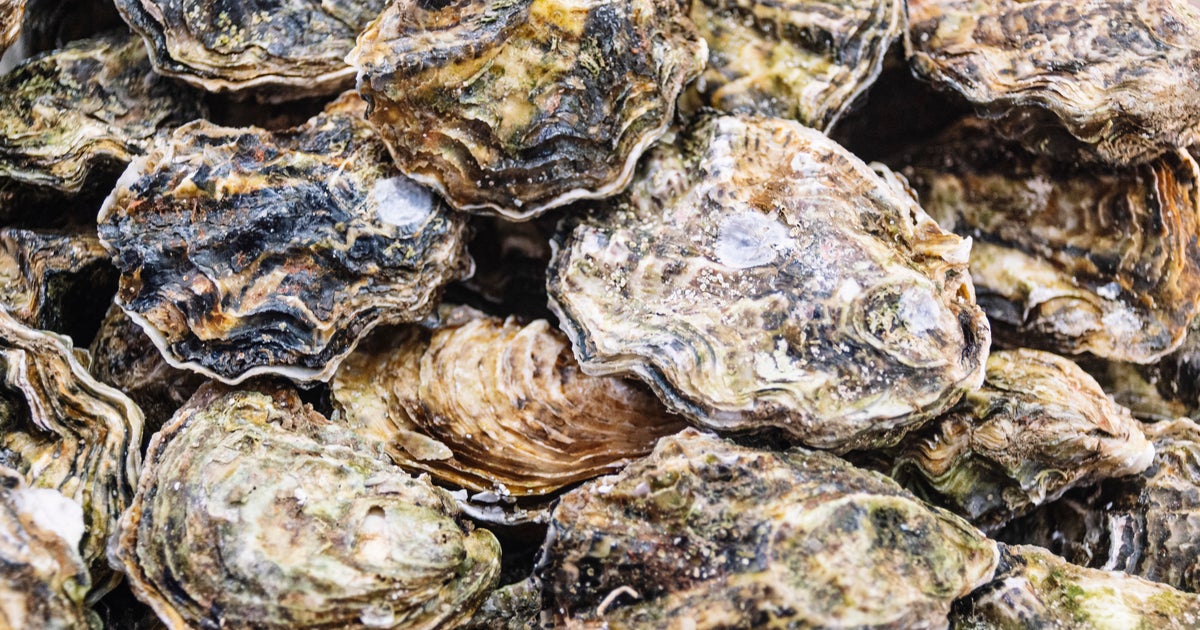
One of the most concerning aspects of this particular food safety crisis is the invisible nature of the threat. The FDA has issued specific warnings emphasizing that shellfish contaminated with norovirus will appear completely normal to consumers. Unlike spoiled food that might show obvious signs of contamination through discoloration, unusual odors, or changes in texture, these potentially dangerous clams and oysters will “look, smell and taste normal” according to the federal health agency. This characteristic makes the contamination particularly insidious because consumers, restaurant workers, and food safety personnel cannot rely on their senses to identify the problem. There are no visual cues, no off-putting smells, and no strange flavors that would typically alert someone to potential danger. This means that people cannot use the usual methods of determining food safety and must instead rely entirely on tracking the source and harvest dates of their shellfish to determine whether they possess recalled products.
This invisible contamination underscores why the recall notice is so important and why complete cooperation from the food service industry and consumers is absolutely essential. The FDA’s directive is clear and unambiguous: restaurants and food retailers must immediately stop serving or selling these products, and consumers who may have purchased the affected oysters should not eat them under any circumstances. The inability to detect contamination through normal sensory evaluation means that the only safe course of action is complete avoidance of any shellfish that matches the description in the recall notice. Food establishments need to check their inventory and suppliers carefully, verifying the source and harvest dates of all raw shellfish currently in their possession. Similarly, consumers who purchased raw oysters in Washington State during the relevant time period should check with their retailer about the source and, when in doubt, should dispose of the product rather than risk consumption.
Understanding Norovirus and Its Health Impact
Norovirus, despite being commonly called the “stomach flu,” is actually not related to influenza at all. This highly contagious pathogen causes what medical professionals call acute gastroenteritis, which is essentially inflammation of the stomach and intestines. The symptoms associated with norovirus infection are extremely unpleasant and can be quite severe, even for otherwise healthy individuals. Those who contract the virus typically experience a combination of diarrhea, vomiting, nausea, and stomach pain. The illness strikes relatively quickly after exposure—most people begin developing symptoms within 12 to 48 hours of consuming contaminated food or coming into contact with the virus through other means. For most healthy adults, the acute phase of the illness lasts up to three days, though the experience during those days can be genuinely miserable, often involving intense gastrointestinal distress that can lead to dehydration and significant discomfort.
While norovirus is generally self-limiting in healthy individuals, meaning it will resolve on its own without medical intervention, certain populations face considerably greater risks. People who are immunocompromised—including those undergoing cancer treatment, individuals with HIV/AIDS, organ transplant recipients taking immunosuppressive medications, and elderly persons with weakened immune systems—can experience much more severe and prolonged illness. For these vulnerable populations, norovirus infection can lead to serious complications including severe dehydration, hospitalization, and in rare cases, can even be life-threatening. Young children and elderly individuals are also at increased risk for complications, particularly dehydration resulting from the combination of vomiting and diarrhea. The Centers for Disease Control and Prevention has identified norovirus as being extremely contagious, with transmission occurring through multiple pathways: direct contact with an infected person, consumption of contaminated food or water, and even touching contaminated surfaces or objects before touching one’s mouth. This multi-route transmission capability makes norovirus outbreaks particularly difficult to contain once they begin.
Taking Action: What Consumers Should Do
For anyone who believes they may have purchased or consumed the recalled shellfish, understanding the appropriate response is crucial. The FDA has specifically advised that consumers experiencing symptoms consistent with norovirus infection should contact their healthcare provider for guidance. This is particularly important for individuals in high-risk categories, including the elderly, young children, pregnant women, and anyone with compromised immune function. Even if symptoms seem manageable, medical consultation can help ensure proper hydration is maintained and that the illness isn’t masking a more serious condition. Healthcare providers can also offer guidance on managing symptoms and identifying warning signs that might indicate complications requiring more intensive medical intervention.
Beyond seeking medical attention when appropriate, consumers need to take practical steps regarding any potentially contaminated products in their possession. Anyone in Washington State who purchased raw oysters between mid-February and early March should immediately check with their retailer about the source of those oysters. If there’s any possibility the oysters came from Drayton Harbor Oyster Company, they should be disposed of immediately—not consumed, not served to others, and not saved with the intention of cooking them later. Similarly, restaurants and food retailers across all affected states need to conduct immediate inventory checks of their raw Manila clam supplies. Any clams sourced from the Lummi Indian Business Council and harvested during the specified date range should be removed from service immediately and disposed of properly. The financial loss from discarding potentially contaminated product is minimal compared to the potential legal liability, reputational damage, and moral responsibility that would result from serving contaminated food that sickens customers.
The Broader Context of Food Safety
This recall serves as an important reminder of the complex systems involved in bringing seafood from harvest to table, and the various points at which contamination can occur. Shellfish, particularly those consumed raw like oysters and clams, present unique food safety challenges because they’re filter feeders that can concentrate pathogens from the water in which they live. When waters become contaminated with norovirus—often through sewage contamination or runoff—shellfish harvested from those areas can carry the virus even when the water appears clean and the shellfish look perfectly normal. This is why monitoring of shellfish harvesting areas is so critical, and why rapid response to potential contamination is essential. The food safety system depends on cooperation between harvesters, distributors, retailers, restaurants, regulators, and ultimately consumers to work effectively. When contamination is identified, the speed and completeness of the recall response directly impacts how many people may be affected. This particular recall demonstrates the system working as intended—contamination was identified, harvesting areas were likely closed, and public notification was issued to prevent additional exposures. However, the effectiveness of the recall ultimately depends on whether the information reaches all potentially affected parties and whether those parties take appropriate action. Anyone involved in the commercial food chain—from wholesale distributors to restaurant managers to retail seafood counter workers—has a responsibility to be aware of active recalls and to check their inventory accordingly. For consumers, staying informed about food recalls and understanding how to verify whether products in their possession are affected is an important aspect of food safety that often doesn’t receive adequate attention until a crisis emerges.