



False Amber Alert in Missouri: The Story of a Hoax That Mobilized an Entire Community
When an Emergency Turns Out to Be a Fabrication
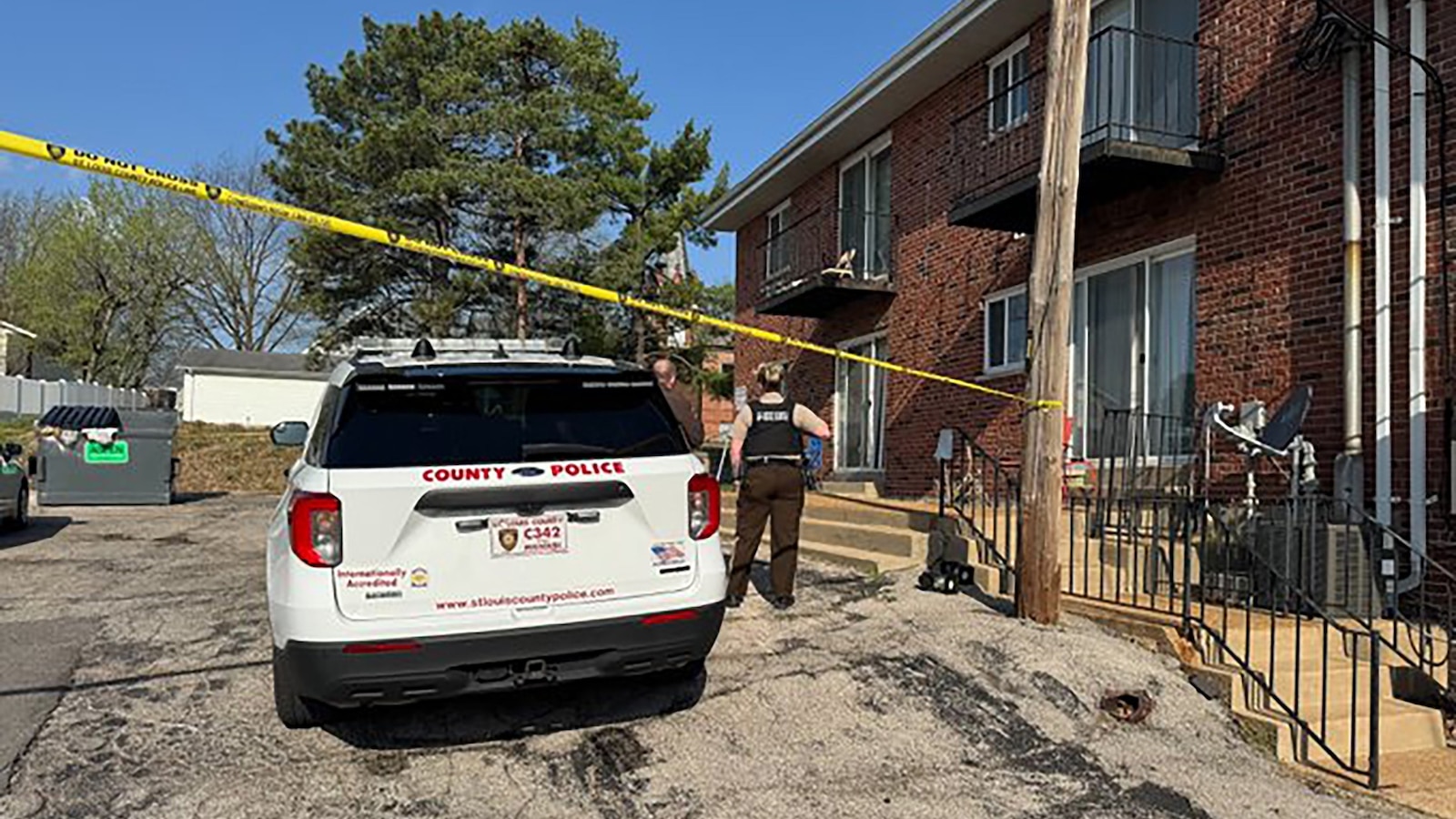
On what seemed like an ordinary Monday morning in Affton, Missouri, law enforcement officials found themselves racing against time to locate a 5-year-old girl named “Aleise Dawson.” The child had reportedly been left unattended in a running vehicle that was subsequently stolen around 8 a.m. local time. An Amber Alert was immediately issued, triggering a massive response from the St. Louis County Police Department and mobilizing resources across the region. However, what initially appeared to be every parent’s worst nightmare soon unraveled into something entirely different and deeply troubling. By Monday afternoon, police officials confirmed that the entire incident was a hoax—there had never been a missing child at all. The revelation came after what authorities described as an “intense investigation” that ultimately led the reporting party to recant their story completely. Two women involved in perpetrating this false report are now expected to face criminal charges for their actions, which wasted valuable law enforcement resources and caused unnecessary panic throughout the community.
The Investigation That Revealed the Truth
The fabricated story began to fall apart as detectives employed standard investigative procedures and started asking more detailed questions about the reported missing child. Lt. Col. Jerry Lohr of the St. Louis County Police Department explained during a press briefing that the narrative provided by the women simply didn’t hold up under scrutiny. According to the initial report, one of the women claimed she had been caring for her deceased sister’s child. She told officers that she had placed the child in her vehicle, gone inside her residence briefly to retrieve something, and when she returned, both the car and the child were gone. Her roommate corroborated this story with similar details, which initially seemed credible enough to warrant an emergency response. However, as investigators began reaching out to other family members and attempting to verify the details of the story, significant inconsistencies emerged. The more questions detectives asked, the more apparent it became that critical elements of the story didn’t align with reality, ultimately leading authorities to conclude that no child had ever been in danger.
Red Flags That Led to the Discovery
Several concerning indicators emerged during the investigation that raised suspicions among law enforcement officials. Perhaps most notably, the police department was unable to obtain even a single photograph of the supposedly missing child—a detail that stands out in an era where nearly every parent and guardian has numerous photos of children in their care on their smartphones. Beyond the absence of photographs, investigators also noted the complete lack of any children’s clothing, toys, or other items that would typically be present in a residence where a young child was being cared for. Additionally, as officers canvassed the neighborhood and interviewed potential witnesses, they could find no one who had ever seen a child at the residence or with the women involved. These “indicators,” as Lt. Col. Lohr described them, collectively painted a picture that contradicted the women’s claims. When confronted with these inconsistencies and the mounting evidence that suggested no child existed, the reporting party eventually admitted the truth. While there had indeed been a stolen vehicle—which was located several blocks away approximately two hours after the initial 911 call—there had never been a child inside it.
The Serious Consequences of Filing False Reports
The St. Louis County Police Department has made it clear that they intend to pursue charges against the two women involved in this hoax, specifically for filing a false police report. Lt. Col. Lohr emphasized the gravity of such actions during his press briefing, highlighting the enormous allocation of resources that an Amber Alert requires. “It’s important to note the amount of time and resources and the allocation of our resources that go into something like this. We take this very, very seriously,” he stated firmly. When an Amber Alert is issued, it triggers a comprehensive law enforcement response that extends far beyond a single police department. Officers are pulled from other duties, investigative resources are redirected, and the entire criminal justice system shifts into high gear to locate and rescue a child believed to be in imminent danger. The community also becomes involved, with citizens keeping watch and reporting potential sightings. All of these efforts represent significant time, labor, and financial resources that could have been directed toward actual emergencies. The department’s official statement underscored their commitment to protecting vulnerable community members while also making clear that false reports undermine these efforts and will be prosecuted to the fullest extent of the law.
Searching for a Motive in a Senseless Act
One of the lingering questions surrounding this incident is why these women would fabricate such a serious claim in the first place. Lt. Col. Lohr acknowledged during his press briefing that investigators are still working to understand the motivation behind the false report. “I don’t know if there was a sense of panic. I don’t know if the individual thought that they would get more response to the fact that their vehicle had been stolen,” Lohr speculated. “I can’t speak to the motivation of the individual.” The fact that there genuinely was a stolen vehicle adds a layer of complexity to the situation. It’s possible that the women believed reporting a missing child would generate a more immediate and extensive police response than simply reporting a stolen car. Perhaps they panicked when they realized their vehicle had been taken and thought adding a child to the scenario would prioritize their case. Alternatively, there may have been other motivations entirely—personal problems, attention-seeking behavior, or circumstances not yet revealed by the investigation. Whatever the reason, the decision to involve a fictitious child in their report has transformed what might have been a straightforward vehicle theft case into a serious criminal matter with significant legal consequences for those involved.
Community Impact and Law Enforcement’s Commitment
While authorities expressed profound relief that no child was actually in danger, the incident serves as a stark reminder of both the effectiveness and the potential for abuse of emergency alert systems. The St. Louis County Police Department’s statement captured this dual reality: “While we are extremely grateful that there is no child in danger, we want to be very clear — we will use all available resources to ensure our community members, especially the most vulnerable among us, are safe.” This incident, despite its false nature, demonstrated the rapid response capabilities and dedication of law enforcement when children’s lives are believed to be at stake. The Amber Alert system, which has successfully helped recover numerous missing children since its inception, depends on public trust and accurate reporting. False reports like this one threaten to erode that trust and may potentially desensitize both law enforcement and the public to future alerts. The consequences extend beyond just wasted resources—they create a “boy who cried wolf” scenario that could have tragic implications if people become skeptical of legitimate alerts. Moving forward, the prosecution of those responsible for this hoax sends a clear message that such actions will not be tolerated and that the systems designed to protect children must be preserved and respected by all members of the community.