
UK Households Tighten Belts as Middle East Conflict Threatens Economic Stability
A Wave of Uncertainty Sweeps Across British Homes
British families are bracing themselves for harder times ahead, pulling back on spending and squirreling away what money they can as the Middle East conflict sends shockwaves through the global economy. It’s not just the headlines that are worrying people – it’s the very real impact they’re seeing in their daily lives. The respected consumer confidence tracker from data specialists GfK has revealed something quite stark: people are genuinely frightened about what’s coming next. Their latest monthly survey shows a significant jump in the number of households who are now actively hoarding cash and putting off any big purchases they might have been planning. The reason? Energy prices are climbing again, and for families whose budgets were already stretched thin, this feels like the straw that might break the camel’s back.
The numbers tell a sobering story. Consumer confidence about the economy over the next twelve months has dropped by six percentage points – a significant fall that reflects genuine anxiety in households across the country. People aren’t just being cautious; they’re actively worried. Experts are warning that the conflict in the Middle East will push up prices across an increasingly wide range of goods and services in the coming months, and ordinary families are preparing for the worst. This isn’t abstract economic theory – this is about whether you can afford to heat your home, feed your family, or replace that broken washing machine. The energy price shock has already begun, with fuel prices jumping noticeably within just days of the US-Israeli strikes on Iran, giving everyone a taste of what might be coming down the line.
The Looming Threat of Rising Energy Bills
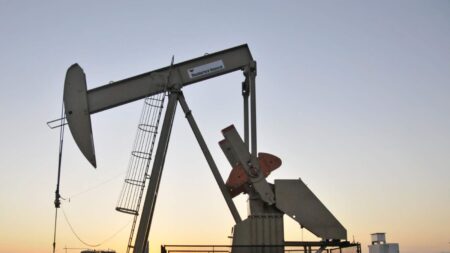
The energy situation looks particularly grim. The figures emerging from the markets are genuinely alarming – Brent crude oil is hovering above $100 per barrel, representing an eye-watering 40% increase just within the current month. Meanwhile, UK gas costs have skyrocketed by more than 75%. For context, these aren’t just numbers on a trader’s screen; they directly translate into the bills that land on people’s doormats. Food prices are expected to rise sharply soon, reflecting this spike in energy costs that ripple through every part of the supply chain. And there’s worse potentially on the horizon. Forecasters are predicting that the energy price cap – that crucial limit on what suppliers can charge households on standard tariffs – could follow fixed-rate deals upward from July onwards. This is when the cap will first be able to reflect the horrific oil and natural gas prices that have been triggered by the ongoing conflict. Some recent forecasts suggest the price cap could rise by more than £300 on an average annual basis from July, though that figure is likely to climb higher the longer the hostilities continue.
This isn’t Britain’s first rodeo with an energy-driven cost of living crisis. The country has been grappling with affordability problems since 2022, when Russia’s invasion of Ukraine sparked an intense period of energy-led inflation that sent shockwaves through household budgets. The government made tackling the resulting decline in living standards its top priority, but progress has been slow and painful. Now, just as some families were beginning to see a glimmer of light at the end of the tunnel, this new crisis threatens to plunge them back into darkness. The scale of the challenge facing the nation was laid bare in stark terms this week when a new government measure revealed that 13.4 million people – including just over four million children – were living in poverty in the UK during 2024/5. That’s not just a statistic; that’s millions of real people struggling to make ends meet, going to bed worried about tomorrow.
Government’s Limited Room for Manoeuvre
The harsh reality is that the government’s hands are largely tied when it comes to providing widespread financial support. The public finances have been severely weakened by the enormous costs of supporting households and businesses during the COVID pandemic, followed immediately by the expensive bailout packages required during the Ukraine war. There simply isn’t the fiscal firepower available for another round of universal support measures, according to Chancellor Rachel Reeves. Speaking to MPs this week, she made it clear that any help with energy bills would need to be carefully targeted at those who can least afford them, rather than the blanket support schemes that were rolled out during previous crises. This means that many middle-income families who are struggling but don’t qualify as the “most vulnerable” will likely have to weather this storm largely on their own.
The international economic community has been crunching the numbers on what this all means for the UK. A report from the OECD – the Organisation for Economic Co-operation and Development, which tracks economic trends across developed nations – predicted that UK inflation could reach 4% by the year’s end. That’s double the Bank of England’s target rate of 2% and represents a significant squeeze on household purchasing power. However, there was a small silver lining in their assessment: they don’t believe the Bank of England would need to respond to this crisis by raising interest rates. That’s crucial because higher interest rates would make mortgages and other borrowing more expensive, adding yet another financial burden to struggling families. Some analysts have warned that the UK economy faces the worst hit from the war among major nations, which underscores just how vulnerable Britain’s position is in the current global landscape.
The Psychology of Financial Fear
What’s particularly interesting about the current situation is the psychological shift that’s occurring in British households. Neil Bellamy, consumer insights director at GfK, put it eloquently when he described “a ripple of fear” spreading through the population. This isn’t just about the numbers – it’s about how people feel, and right now, they feel vulnerable. The six-point fall in perceptions of the general economic situation over the next twelve months shows that optimism is in short supply. People are looking ahead and they don’t like what they see. There’s also been a four-point drop in the major purchase index, which measures people’s willingness to buy big-ticket items like furniture, appliances, or cars. These are the kinds of purchases that people delay when they’re worried about the future, and right now, lots of people are worried.
Bellamy’s analysis cuts to the heart of the matter: “People simply do not feel the economy is robust enough to ride out the knock-on effects from the Middle East conflict.” This lack of confidence in the economy’s resilience is driving real behavioral changes. The decline in purchasing intentions, coupled with a six-point rise in the savings index, paints a clear picture of households battening down the hatches. People are holding onto their money, avoiding making major purchases, and waiting to see what the medium-term impact of the conflict will be. This is perfectly rational behavior from an individual or family perspective, but when millions of people do it simultaneously, it can become a self-fulfilling prophecy. Reduced consumer spending slows economic growth, which can lead to job losses and business failures, which in turn makes people even more cautious about spending. It’s a vicious cycle that policymakers worry about deeply.
Looking Ahead: Navigating Uncertain Waters
As British families navigate these uncertain waters, the key question on everyone’s mind is: how long will this last, and how bad will it get? Unfortunately, nobody can answer that with certainty. The duration and intensity of the Middle East conflict will be the primary driver of energy prices in the coming months, and that’s impossible to predict. What we do know is that families are preparing for a difficult period. They’re making tough choices about what to spend money on and what to do without. They’re looking for ways to reduce their energy consumption, comparing prices more carefully at the supermarket, and thinking twice before committing to any significant financial decisions. This collective caution might help individual households weather the storm, but it also means the broader economy will likely face a sluggish period as consumer spending – which accounts for a huge portion of economic activity – contracts. For policymakers, businesses, and families alike, the coming months will require resilience, creativity, and a fair bit of luck as Britain faces yet another economic challenge in what has been a particularly difficult decade for household finances.