

Trump Administration Sets Sights on Cuba Amid Ongoing Energy Crisis
A Nation in Darkness Faces Uncertain Future
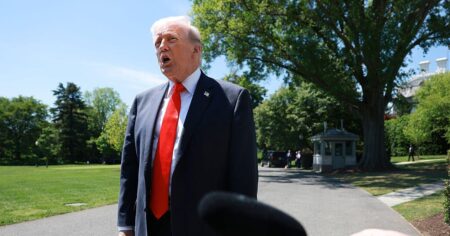
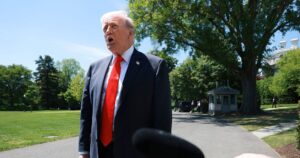
The island nation of Cuba finds itself at a critical crossroads as the Trump administration signals its intention to take decisive action regarding the struggling socialist country. Speaking candidly on Tuesday, President Donald Trump acknowledged the severity of Cuba’s current situation, stating plainly that “Cuba right now is in very bad shape” before adding ominously that “we’ll be doing something with Cuba very soon.” These comments came just one day after the island experienced its third complete nationwide blackout in four months, a crisis that has left millions of Cubans without electricity and has brought the country’s already fragile infrastructure to the breaking point. The timing of Trump’s remarks underscores the administration’s view that Cuba’s vulnerability presents an opportunity for the United States to reshape the political landscape of its island neighbor just ninety miles from Florida’s shores.
Behind the Scenes: Political Maneuvering and Leadership Changes
According to sources familiar with ongoing negotiations between Washington and Havana, the Trump administration isn’t simply looking to apply pressure on Cuba—they’re actively seeking regime change. Specifically, U.S. officials want to see President Miguel Díaz-Canel removed from power, though the administration has remained notably vague about who they would prefer to see take his place. This ambiguity is perhaps complicated by the reality that many Cubans themselves question how much actual power Díaz-Canel truly wields. The widespread belief among the Cuban population is that the real authority still rests with the revolutionary old guard, particularly Raúl Castro and his family, who maintain significant influence despite officially stepping back from public leadership roles. This complex power structure makes the situation more nuanced than a simple change at the top might suggest, raising questions about whether replacing Díaz-Canel would actually change anything substantive about how Cuba is governed or whether it would merely rearrange the faces while the same forces continue to pull the strings from behind the scenes.
The Humanitarian Crisis: Life Without Power
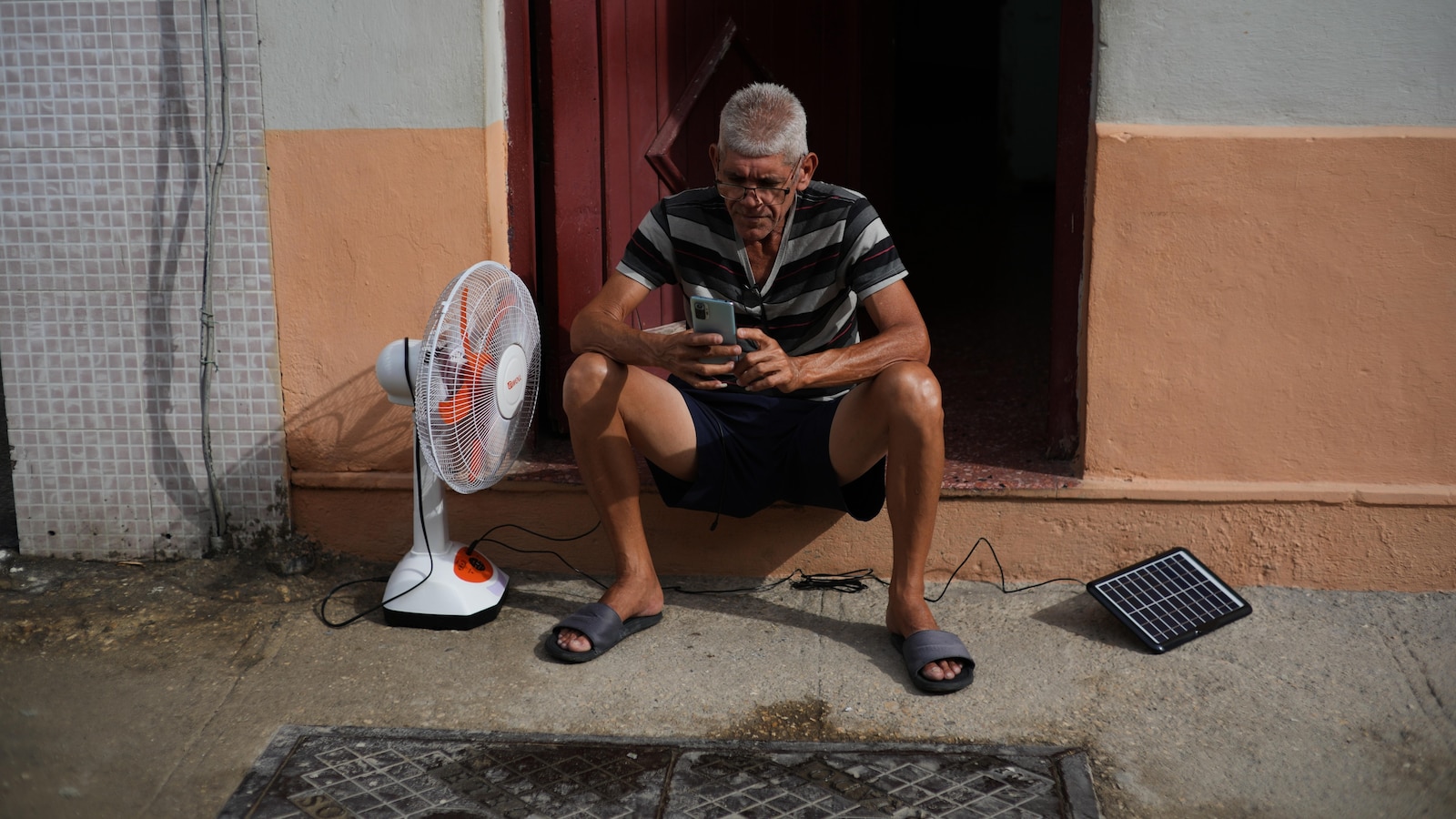
The human cost of Cuba’s infrastructure collapse cannot be overstated. As of Tuesday afternoon, electricity was being painstakingly restored to hospitals and some residential areas, but Cuban officials issued stark warnings that the deteriorating power network could fail again at any moment. The Cuban Ministry of Energy and Mines reported some progress, with power restored to the western town of Pinar del Rio and the southeastern province of Holguin, and various “microsystems” beginning to operate across different territories. By late Monday, approximately 5% of Havana residents—representing about 42,000 customers—had their electricity restored. But for the vast majority of Cuba’s population, the darkness continues, bringing with it a cascade of difficulties that extend far beyond mere inconvenience. The stories from ordinary Cubans paint a picture of genuine suffering. Forty-eight-year-old Dalba Obiedo described how “the power outages are driving me crazy,” recounting a frightening incident where she fell down a 27-step staircase in the darkness, an accident that has left her requiring surgery on her jaw. Sixty-one-year-old Tomás David Velázquez Felipe expressed the despair many feel, suggesting that Cubans who have the means should simply leave the island. “What little we have to eat spoils,” he explained with resignation. “Our people are too old to keep suffering.”
The Blame Game: Sanctions, Energy, and Economic Warfare
The question of who bears responsibility for Cuba’s current crisis depends largely on who you ask. The Cuban government points directly at what it calls a U.S. energy blockade, referencing Trump’s January warning that tariffs would be imposed on any country that sells or provides oil to Cuba. This threat has effectively cut Cuba off from international energy markets, severely limiting its ability to acquire the fuel necessary to keep its aging power plants operational. While Cuba does produce approximately 40% of its own petroleum and has the capacity to generate its own power, this domestic production has proven insufficient to meet the population’s needs, particularly as the electrical grid itself continues to deteriorate from decades of deferred maintenance and underinvestment. From the American perspective, as articulated by Secretary of State Marco Rubio, the problem lies not with U.S. policy but with Cuba’s fundamental economic and political system. Rubio, whose Cuban heritage gives his words particular weight on this issue, stated bluntly that Cuba “has an economy that doesn’t work in a political and governmental system. They can’t fix it.” A Cuban official did indicate on Monday that Cuba remains open to trading with U.S. companies, but such offers have been made repeatedly in the past without meaningful follow-through. Rubio dismissed these overtures as inadequate, insisting that “they have to change dramatically” and that “what they announced yesterday is not dramatic enough. It’s not going to fix it.”
Demands and Conditions: The Price of Normalization
The Trump administration has laid out specific conditions that Cuba must meet before the United States would consider lifting the sanctions that are contributing to the island’s economic strangulation. These demands center on three main areas: the release of political prisoners, movement toward political liberalization, and economic reforms that would fundamentally reshape Cuba’s socialist system. These conditions represent a maximalist approach that requires Cuba to essentially abandon the political and economic model it has maintained since the 1959 revolution—a transformation that would represent not just policy changes but a complete reimagining of the Cuban state. Adding another layer of complexity and controversy to the situation, President Trump has even floated the possibility of what he termed a “friendly takeover of Cuba,” a phrase that has raised eyebrows internationally and sparked concerns about American interventionism. The phrase itself is laden with historical irony, given the long and complicated history between the United States and Cuba, including the failed Bay of Pigs invasion, decades of embargo, and numerous allegations of American attempts to destabilize or overthrow Cuban governments. What exactly Trump means by a “friendly takeover” remains unclear—whether it refers to economic integration, political absorption, or something else entirely—but the very suggestion highlights the aggressive posture the administration is taking toward its island neighbor.
Looking Ahead: Uncertain Times for Cuba and Its People
As Cuba struggles to restore basic services to its population and the Trump administration positions itself for what it sees as a historic opportunity to reshape the island’s future, ordinary Cubans find themselves caught in the middle of a geopolitical chess game with their daily lives hanging in the balance. The crumbling electrical grid serves as both a literal and metaphorical representation of Cuba’s broader challenges—aging infrastructure that has been maintained through improvisation and determination but is now reaching the limits of what can be sustained without major investment and systemic change. Whether that change comes through internal reform, external pressure, or some combination of the two remains to be seen. What is clear is that the current situation cannot continue indefinitely; the question is what will replace it and who will determine that future. For families like those of Dalba Obiedo and Tomás David Velázquez Felipe, the political maneuvering in Washington and Havana feels distant from their immediate concerns about safety, food, and basic dignity. Yet the decisions made in the coming weeks and months will fundamentally shape not just Cuba’s relationship with the United States, but the lived reality of millions of Cubans who simply want reliable electricity, economic opportunity, and hope for a better future. As the lights slowly come back on in scattered neighborhoods across the island, the larger question of Cuba’s political and economic future remains very much in darkness.