
OpenAI’s Defense Deal Controversy: Sam Altman Admits Missteps Amid User Backlash
A Rush to Judgment That Sparked Public Outrage
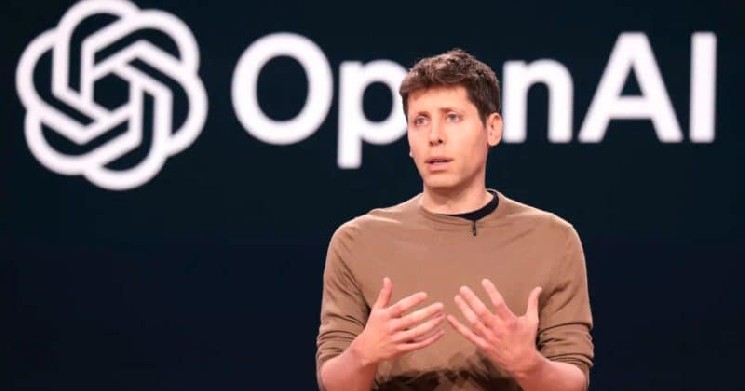
In what has become one of the most controversial moments in OpenAI’s short but eventful history, CEO Sam Altman has publicly acknowledged that his company badly fumbled the announcement of a partnership with the United States Department of Defense. Speaking candidly through a series of posts on the social media platform X this Monday, Altman described the rollout as both “opportunistic and sloppy,” admitting that the artificial intelligence powerhouse had moved far too hastily in finalizing and announcing the agreement. The executive’s mea culpa came after an unprecedented wave of user protest that saw people abandoning ChatGPT in droves, with many expressing deep concerns about privacy, surveillance, and the ethical implications of military applications for AI technology. “One thing I think I did wrong: we shouldn’t have rushed to get this out on Friday,” Altman wrote, in what many observers see as an unusually frank admission from a tech industry leader. The contract in question, which was made public on Friday, would allow OpenAI’s technology to be deployed on classified military networks, a revelation that immediately triggered alarm bells among privacy advocates, civil liberties organizations, and everyday users who had come to trust ChatGPT as a helpful, benign assistant rather than a potential tool of government surveillance.
The Numbers Tell a Devastating Story
The public reaction to OpenAI’s defense partnership announcement was swift, severe, and measurable in real-time through app store data that painted a picture of genuine user revolt. According to data from Sensor Tower, a mobile app analytics firm, ChatGPT uninstalls in the United States skyrocketed by an astonishing 295% within just 24 hours of the announcement. Even more telling was the coordinated campaign that emerged across social media platforms, with users organizing to flood app stores with one-star reviews—a surge that reached 775% above normal levels. This wasn’t just passive disapproval; it was an active, organized protest movement spreading virally across the internet. The backlash created an immediate commercial opportunity for OpenAI’s competitors, particularly Anthropic’s Claude AI assistant, which rocketed to the top position in Apple’s US download rankings according to data from Appfigures. This dramatic shift in the competitive landscape demonstrates how quickly consumer trust can evaporate in the technology sector, especially when issues of privacy and government surveillance are involved. For a company that has positioned itself as a leader in responsible AI development, seeing users flee en masse to competitors represented not just a business setback but a profound challenge to OpenAI’s carefully cultivated reputation as an organization committed to developing artificial intelligence for the benefit of all humanity.
Damage Control: New Safeguards and Explicit Protections
In response to the firestorm of criticism, Altman announced that OpenAI would be substantially revising its agreement with the Defense Department to include much more explicit language designed to protect American citizens from potential abuse. The updated terms will specifically prohibit the use of OpenAI’s technology for domestic surveillance of US persons, with these restrictions grounded in both constitutional protections and national security statutes. Perhaps most significantly, the revised agreement will include explicit language barring the deliberate tracking or monitoring of Americans, including through the use of commercially obtained personal data—a provision that addresses growing concerns about how government agencies might combine AI capabilities with the vast quantities of personal information available for purchase from data brokers. Altman also revealed that the Defense Department had provided assurances that OpenAI’s services would not be made available to intelligence agencies such as the National Security Agency without a separate, specific contract modification that would presumably be subject to additional scrutiny and oversight. These commitments represent a significant evolution from the original agreement, which apparently lacked such explicit safeguards and left many users worried about potential mission creep that could see a tool they use for work, education, and personal assistance transformed into an instrument of government surveillance.
Democratic Oversight and the Role of Private Companies
Beyond the specific technical fixes to the Defense Department agreement, Altman used the controversy as an opportunity to articulate a broader philosophy about how private AI companies should interact with government institutions in democratic societies. In follow-up posts, he emphasized his belief that artificial intelligence governance must remain subject to democratic oversight and that no private company—including OpenAI—should be in a position to unilaterally determine the technological trajectory of society. This statement represents an important acknowledgment of the immense power that companies like OpenAI currently wield and the potential dangers of concentrating too much decision-making authority in the hands of private corporations operating outside traditional democratic accountability structures. Altman stressed that while OpenAI intends to collaborate with governments on appropriate projects, such collaboration must always include robust safeguards for civil liberties and individual rights. This balancing act—working with government institutions while protecting citizens from potential government overreach—represents one of the central challenges facing AI companies as their technologies become increasingly powerful and potentially useful for both beneficial and harmful applications. The question of who decides how AI is used, under what constraints, and with what oversight mechanisms has become one of the defining policy debates of our time.
Internal Concerns and Organizational Reckoning
The controversy hasn’t been limited to external users and critics; it has also generated significant concern within OpenAI itself, prompting Altman to announce plans for an all-hands meeting to address employee worries about the direction of the company. This internal dimension of the crisis highlights the extent to which OpenAI’s workforce—many of whom joined the company because of its stated mission to ensure that artificial intelligence benefits all of humanity—feels invested in how their work is deployed and by whom. Altman characterized the Defense Department partnership as among the first major decisions the organization has faced involving direct integration with government systems, suggesting that OpenAI is entering new and potentially treacherous territory as it navigates the complex relationship between cutting-edge AI capabilities and state power. For a company that has experienced its share of internal drama, including Altman’s brief ouster and rapid reinstatement by the board in late 2023, this latest episode represents another test of organizational cohesion and shared values. The need for an all-hands meeting indicates that leadership recognizes the depth of employee concern and the importance of maintaining internal alignment on fundamental questions about OpenAI’s purpose and acceptable use cases for its technology.
Lessons Learned and the Road Ahead
The chaotic rollout of OpenAI’s Defense Department partnership and the subsequent scramble to contain the damage offers several important lessons for the AI industry and for technology companies more broadly. First, it demonstrates that users of AI services have developed strong opinions about acceptable and unacceptable applications of these technologies, particularly when it comes to government surveillance and military uses. The speed and intensity of the backlash suggests that companies ignore these user sensitivities at their peril, especially in an increasingly competitive market where alternatives are readily available. Second, the episode highlights the inadequacy of moving quickly without adequate preparation, communication, and safeguards when dealing with sensitive issues that touch on fundamental rights and freedoms. Altman’s admission that the announcement was “opportunistic and sloppy” suggests that even at the highest levels of leadership, there was recognition that the process had been badly mishandled. Third, the controversy underscores the growing importance of transparency and democratic accountability in AI governance, with users, employees, and the broader public demanding a meaningful voice in how these powerful technologies are developed and deployed. As OpenAI and other AI companies continue to grow in influence and capability, they will face increasing pressure to balance commercial opportunities, including government contracts, with their stated commitments to ethical development and deployment. How they navigate these tensions will likely determine not just their commercial success but their legitimacy as institutions wielding enormous technological power in democratic societies. For OpenAI specifically, this episode serves as a reminder that the company’s earlier positioning as an organization committed to beneficial AI creates expectations and obligations that cannot be casually set aside when convenient commercial opportunities arise.