


Senate Committee Advances Mullin’s DHS Nomination Amid Heated Exchanges
A Controversial Path Forward
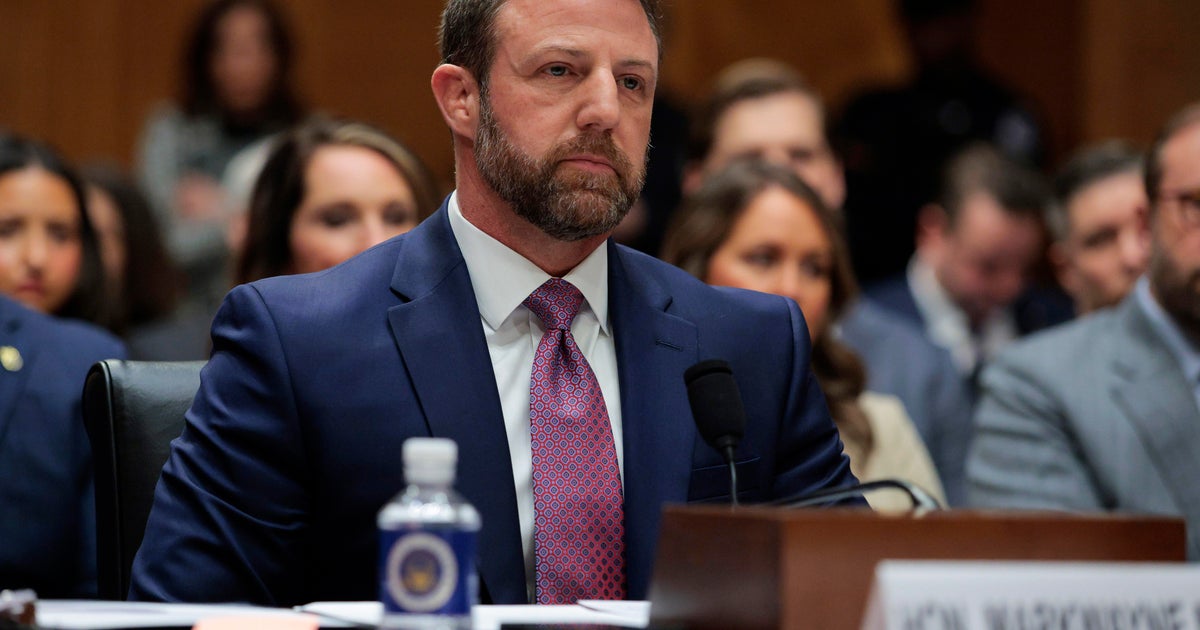
The Senate Homeland Security and Governmental Affairs Committee pushed forward Senator Markwayne Mullin’s nomination to lead the Department of Homeland Security on Thursday, despite significant controversy and a narrow 8-7 vote. What made this vote particularly noteworthy wasn’t just the slim margin, but the unusual alliance that made it possible. Senator Rand Paul of Kentucky, the committee’s Republican chairman, broke with his party to vote against the nomination, making him the sole GOP member to do so. However, Democratic Senator John Fetterman of Pennsylvania crossed party lines in the opposite direction, providing crucial support that allowed Mullin’s nomination to advance. This unexpected bipartisan split reflects the complex political dynamics surrounding this appointment and sets the stage for what promises to be an equally contentious full Senate vote, potentially as early as next week.
Fiery Confrontation Exposes Deep Republican Divisions
The confirmation hearing on Wednesday quickly descended into one of the most heated exchanges seen in recent Senate proceedings, laying bare the personal and political rifts within the Republican Party itself. Chairman Rand Paul didn’t mince words as he confronted Mullin about allegedly calling him a “freaking snake” and, more disturbingly, suggesting he understood why Paul’s neighbor had physically attacked him back in 2017. This reference to a violent incident that left Paul with serious injuries struck a particularly raw nerve. Paul raised fundamental questions about Mullin’s fitness for the role, asking pointedly whether someone who seemingly condones political violence should lead an agency that has faced scrutiny over its own use of force. Mullin’s response was remarkably candid for a confirmation hearing. Rather than offering a carefully worded apology or diplomatic deflection, he essentially acknowledged the bad blood between them, stating flatly, “we just don’t get along.” He went further, accusing Paul of spending more time fighting with fellow Republicans than working collaboratively with them. While Mullin assured senators that personal differences wouldn’t interfere with his duties as DHS secretary, the exchange revealed the depth of animosity between two prominent Republican figures and raised legitimate questions about temperament and judgment.
The Mystery of the Classified Trip
Adding another layer of intrigue to an already dramatic hearing, confusion arose over an overseas work trip that Mullin claimed was classified, threatening to derail the entire confirmation process. The Kentucky Republican chairman suggested he might delay the committee vote if the matter wasn’t resolved satisfactorily, creating a tense standoff. Eventually, Mullin agreed to brief interested senators in a secure location about work he said he conducted while serving on the House Energy and Commerce Committee. After this classified briefing, GOP Senator James Lankford of Oklahoma emerged to downplay the controversy, characterizing it as involving a “non-disclosure dealing with a whistleblower” and dismissing the entire episode as “mountain, molehill stuff.” While this explanation seemed to satisfy enough senators to allow the vote to proceed, the incident highlighted concerns about transparency that would continue to plague Mullin’s nomination. The secretive nature of the trip and the initial confusion about whether it could even be discussed added to Democratic senators’ growing unease about Mullin’s openness and his willingness to be forthcoming with Congress—qualities they considered essential for someone who would oversee one of the government’s most powerful and far-reaching departments.
Praise and Criticism: A Divided Assessment
Despite the confrontations and controversies, Mullin received surprisingly warm praise from several committee members, particularly regarding his ability to work across party lines. Senator John Fetterman’s support proved pivotal, with the Pennsylvania Democrat publicly commending Mullin for displaying “consistent kindness and professionalism” in their interactions. This personal endorsement from a Democrat carried significant weight and explained Fetterman’s willingness to break with his party and support the Republican nominee. However, Fetterman stood alone among Democrats in this assessment. Every other Democratic member of the committee opposed advancing Mullin’s nomination, expressing serious reservations about his qualifications and conduct. Senator Gary Peters of Michigan, the ranking Democrat on the committee, delivered perhaps the most damning assessment ahead of Thursday’s vote. Peters accused Mullin of failing to be “forthright and transparent” throughout the entire confirmation process, raising fundamental concerns about his integrity. More significantly, Peters directly challenged Mullin’s qualifications, stating bluntly that the Oklahoma senator “doesn’t have the experience or the temperament to lead this critical department.” In Peters’ view, the Department of Homeland Security desperately needs leadership that can rebuild trust with both the American people and Congress itself—trust that had been badly damaged under previous leadership—and Mullin simply wasn’t the right person for that monumental task.
From Business Owner to Border Czar
President Trump’s nomination of Mullin to replace Kristi Noem as DHS Secretary came amid intense criticism of the department’s immigration enforcement operations and Noem’s leadership more broadly. The former South Dakota governor’s tenure ended ignominiously after she faced harsh questioning from members of her own party during congressional hearings, including pointed criticism over the department’s controversial advertising spending practices. Trump praised Mullin in characteristic style as a “MAGA Warrior” who “truly gets along well with people, and knows the Wisdom and Courage required to Advance our America First Agenda.” At 48 years old, Mullin brings an unconventional background to the role. A successful business owner and former mixed martial arts fighter, he’s been in the Senate only since 2023, though he previously represented Oklahoma in the House of Representatives for a decade. During Wednesday’s hearing, when asked how his leadership would differ from Noem’s, Mullin emphasized his collaborative approach. He acknowledged that “everybody has different leadership styles” and described his own as focused on “empowering people.” With characteristic humility mixed with confidence, Mullin told senators, “I’m not going to be the smartest guy in any room I walk into, but I know how to get talent and I know how to bring those people together.” This management philosophy—surrounding yourself with capable people rather than trying to master every detail yourself—reflects his business background and represents a potentially different approach than his predecessors.
What’s Next: The Full Senate Vote and Beyond
With committee approval secured, Mullin’s nomination now heads to the full Senate floor, where a vote could occur as early as next week. The narrow committee vote and the unusual coalition that made it possible—losing the Republican chairman while gaining a single Democrat—suggests the full Senate vote will be closely watched and potentially competitive. Republicans hold a majority in the Senate, which typically would make confirming a president’s cabinet nominee relatively straightforward. However, Rand Paul’s opposition signals that Mullin cannot count on unanimous Republican support, meaning Democratic votes may prove crucial to his confirmation. The question now is whether other Democrats will follow Fetterman’s lead and cross party lines, or whether they’ll side with Senator Peters’ assessment that Mullin lacks the necessary qualifications and temperament. The stakes couldn’t be higher for the Department of Homeland Security itself. The massive agency, which oversees everything from border security and immigration enforcement to cybersecurity and disaster response, has faced significant criticism and internal challenges. It needs stable, competent leadership that can restore morale within the department, rebuild trust with Congress and the American people, and effectively manage the complex security challenges facing the nation. Whether Mullin—with his unconventional background, his confrontational style with some colleagues, and his relatively limited experience with the specific policy areas DHS handles—is the right person for this moment remains the central question senators will grapple with in the coming days.