
Congress Ends Historic Homeland Security Shutdown After 76 Days
A Breakthrough After Months of Political Deadlock
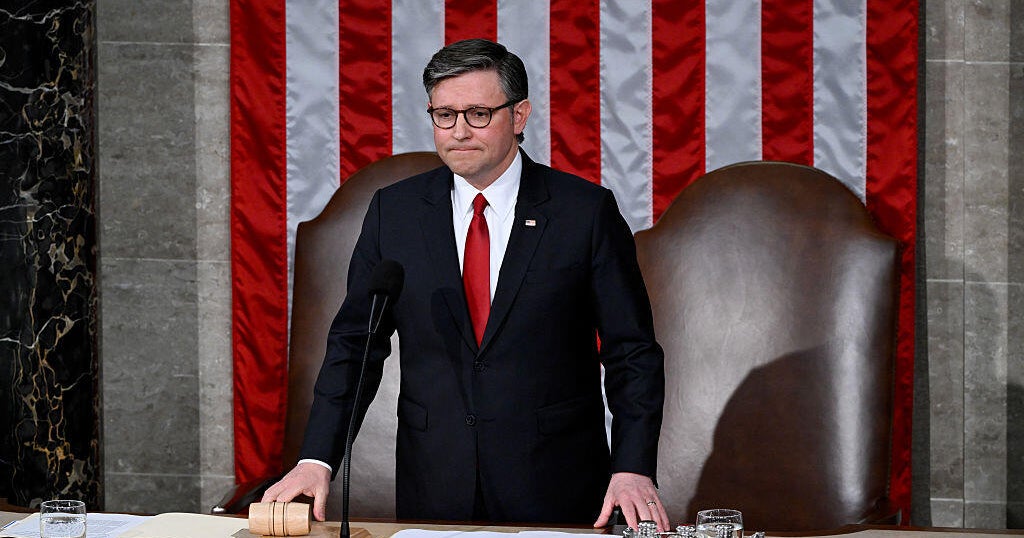
After more than two months of political gridlock, the House of Representatives has finally brought an end to the longest partial government shutdown in American history. On Thursday afternoon, lawmakers unanimously approved a Senate-passed funding bill for the Department of Homeland Security, marking the conclusion of a 76-day standoff that had left critical security agencies in financial limbo. The vote, conducted by voice with little drama or fanfare, reflected a collective desire among members of Congress to move past the contentious impasse that had dominated Washington since mid-February. With the House’s approval, the legislation now heads to President Trump’s desk, where his signature will officially restore funding to the beleaguered department. The swift and unanimous nature of the vote stood in stark contrast to the weeks of partisan bickering that had preceded it, suggesting that lawmakers on both sides of the aisle had grown weary of the political battle and its real-world consequences for federal employees and national security operations.
The Root Causes of the Funding Crisis
The shutdown began on February 14th, when funding for the Department of Homeland Security lapsed amid fierce disagreements over immigration policy and enforcement priorities. At the heart of the dispute were two specific agencies: Immigration and Customs Enforcement (ICE) and U.S. Customs and Border Protection (CBP), which includes the Border Patrol. Democrats in Congress had objected to providing full funding for these agencies, viewing them as the primary instruments of President Trump’s aggressive immigration enforcement policies. Their resistance represented a fundamental clash over the direction of American immigration policy, with Democratic lawmakers seeking to use their appropriations power to limit what they considered excessive enforcement actions. Republicans, conversely, accused Democrats of attempting to defund critical security operations for political purposes. The Senate had managed to pass legislation funding the non-immigration components of DHS last month with unanimous support, but House Republicans initially rejected this approach, arguing that it would amount to capitulating to Democratic demands to starve the president’s immigration agenda of necessary resources. This created a seemingly intractable stalemate, with neither side willing to compromise on their core principles.
The Two-Track Solution That Broke the Impasse
The breakthrough came when Speaker Mike Johnson, Senate Majority Leader John Thune, and President Trump agreed to a creative two-track approach that would satisfy both parties’ concerns. Under this compromise framework, the House would first pass the Senate’s DHS funding bill to immediately restore operations to the struggling department. This would provide immediate relief to the agencies and employees who had been operating under extreme financial constraints for more than ten weeks. Simultaneously, Republicans would pursue funding for ICE and Border Patrol through a separate legislative process called budget reconciliation. This procedural mechanism is particularly advantageous for the majority party because it allows them to pass spending bills in the Senate with a simple majority vote, bypassing the usual 60-vote threshold needed to overcome a filibuster. This means Republicans can fully fund the immigration enforcement agencies according to their priorities without needing any Democratic support in the Senate. The dual-track strategy essentially gave each side something they wanted: Democrats could claim they hadn’t voted to fund the immigration crackdown, while Republicans could ensure their border security priorities would still receive robust funding through the reconciliation process.
The Human Cost of Political Brinkmanship
While politicians debated in Washington, the shutdown’s impact on federal employees and operations grew increasingly severe. President Trump had ordered the Department of Homeland Security to redirect funds in March to continue paying employees, but this was a temporary stopgap measure at best. Homeland Security Secretary Markwayne Mullin issued stark warnings that the redirected money would run out by early May, creating urgent pressure on Congress to act before employees missed paychecks. Interestingly, because ICE and Border Patrol had received tens of billions of dollars in funding through last year’s One Big Beautiful Bill Act, these immigration enforcement agencies had continued operating relatively normally throughout the shutdown. This meant that the agencies at the center of the political dispute were largely insulated from the crisis. Instead, the brunt of the funding shortage fell on other critical components of the Department of Homeland Security that had nothing to do with immigration enforcement. The Coast Guard, Transportation Security Administration (TSA), and Federal Emergency Management Agency (FEMA) all struggled to maintain operations and compensate their workforces. Admiral Kevin Lunday, the Commandant of the Coast Guard, spoke to CBS News about the situation, revealing that his personnel were “furious” about the prolonged impasse. He described the experience as “incredibly frustrating” for service members who were caught in the crossfire of a political battle that had nothing to do with their maritime security and rescue missions.
Moving Forward: The Reconciliation Timeline
With the immediate crisis resolved, attention now turns to the second track of the compromise: the reconciliation package that will fund ICE and Border Patrol according to Republican priorities. Both chambers of Congress took initial steps this week toward crafting this legislation by adopting a budget plan that instructs the relevant committees to begin writing the necessary bills. President Trump has set an ambitious deadline, stating he wants the reconciliation package on his desk by June 1st. This timeline will require congressional committees to work quickly to draft, debate, and pass the legislation through both chambers. The reconciliation process, while offering Republicans procedural advantages in terms of the vote threshold needed for passage, still requires careful coordination between the House and Senate. The legislation will need to comply with complex parliamentary rules that govern what can and cannot be included in a reconciliation bill, which is technically supposed to be limited to matters that directly affect the federal budget. Nevertheless, Republicans are confident they can meet the president’s deadline and deliver a funding package that will support robust immigration enforcement operations for the remainder of the fiscal year.
Lessons Learned and the Path Ahead
The 76-day partial shutdown of the Department of Homeland Security offers several sobering lessons about the state of governance in contemporary America. First, it demonstrates how agencies and employees can become collateral damage in political disputes that have little to do with their actual missions. The Coast Guard, TSA, and FEMA personnel who went weeks wondering about their paychecks were not responsible for immigration policy, yet they bore the consequences of the disagreement over it. Second, the episode reveals how difficult it has become for the two major parties to find common ground even on matters of basic government functioning. That it took more than two months to resolve a funding dispute—and required an elaborate two-track legislative workaround to do so—speaks to the depth of partisan divisions in Washington. Third, the eventual resolution shows that compromise is still possible when political leaders are willing to think creatively and give both sides something they can claim as a victory. The dual-track approach may have been complicated, but it ultimately provided a face-saving way out of an impasse that was serving no one’s interests. As the government moves forward, the hope is that lessons from this painful episode will encourage lawmakers to seek earlier compromises and avoid using government shutdowns as leverage in policy disputes. The men and women who serve in America’s security agencies deserve better than to be pawns in political chess matches, and the American people deserve a government that can function consistently and reliably, even amid genuine policy disagreements.