
Hawaii’s Fishermen Face Growing Threat as Sharks Increasingly Steal Their Catch
The Rising Problem of Shark Depredation
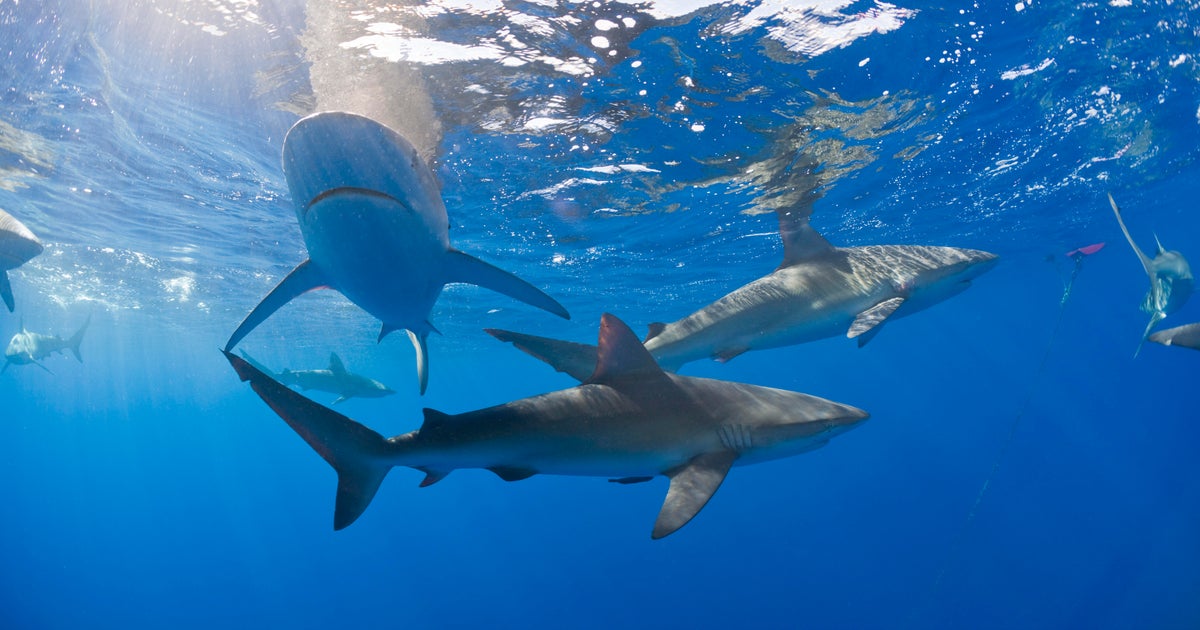
Hawaii’s small-boat fishermen are facing an increasingly difficult challenge that threatens their livelihoods and centuries-old traditions. Local fishers who pursue prized bottomfish species like ehu, onaga, and the highly sought-after red opakapaka—a staple on dinner tables throughout Hawaii during New Year’s celebrations—are experiencing an alarming increase in shark attacks on their catch. These sharks are swooping in at the last moment and tearing fish directly off the hooks before fishermen can reel them in. According to Phil Fernandez, president of the Hawaii Fishermen’s Alliance for Conservation and Tradition, this problem is hitting fishermen hard in their wallets. “They’re basically losing money because they can’t bring in the fish,” Fernandez explains. The economic impact is severe because fish markets refuse to purchase any fish that shows bite marks or damage from shark encounters. This phenomenon, known as shark depredation, has become so widespread across Hawaii’s coastal waters and throughout other regions of the Pacific that many bottomfishers, trollers, and others who depend on fishing for their income are seriously considering abandoning the profession altogether. The situation has deteriorated to the point where the very existence of Hawaii’s traditional small-boat fishing industry hangs in the balance.
Unprecedented Rates and Economic Impact
Fishermen have developed their own terminology for this growing problem, referring to shark depredation as “paying the tax man”—and unfortunately, that tax keeps getting steeper. The statistics paint a troubling picture: current reports indicate that sharks now bite off catch in at least one out of every four licensed fishing trips in Hawaiian waters. This represents the highest rate of shark depredation on record in the approximately twenty years that the state of Hawaii has been systematically collecting this data, according to aquatic biologist Bryan Ishida. The frequency of these incidents isn’t just a minor inconvenience; it represents a fundamental threat to the economic viability of small-scale fishing operations throughout the islands. When a quarter of all fishing trips result in lost catch due to shark interference, the financial mathematics simply don’t work for many fishermen operating on thin profit margins. The problem extends beyond Hawaii’s shores as well, with similar incidents occurring in fishing communities across California, Massachusetts, and South Carolina, suggesting this may be a broader ecological shift affecting coastal fishing operations nationwide.
Exploring Shark Repellent Technologies
The fishing industry and researchers are actively exploring various technological solutions to address this growing crisis. Several types of shark repellents are already commercially available and being used by ocean swimmers and recreational fishermen in other regions, particularly in Florida where sport fishing represents a significant economic draw. These repellents work by exploiting sharks’ natural aversions to certain stimuli, including specific chemicals, electric charges, and magnetic fields. However, what works in the Atlantic and Gulf of Mexico doesn’t necessarily translate directly to Pacific waters, which is why researchers and fishermen in Hawaii and throughout the Pacific region have only recently begun testing these repellents to determine which types and designs might prove most effective in local conditions. The results so far have been decidedly mixed, with no clear solution emerging as the definitive answer. Eric Stroud, a managing partner with SharkDefense, a research and development company that manufactures chemical repellents, admits that his knowledge of Western Pacific fishing conditions is limited. “Personally, I didn’t really know anything about the Western Pacific, and so I would love to get out there and test,” Stroud says. He’s particularly interested in conducting research in Guam, where depredation incidents occur at especially high rates, to study local fishing methods and determine how his company’s products might be adapted to serve Pacific fishermen better.
Community Response and Scientific Investigation
The severity of the shark depredation problem has elevated it to one of the most pressing concerns voiced by fishermen throughout the Pacific region. During a series of listening sessions conducted last year by the Western Pacific Regional Fishery Management Council, shark depredation emerged as a top priority issue. The council subsequently organized a follow-up workshop this February specifically focused on efforts to address the problem more comprehensively, with plans to present findings at Wespac’s next Scientific and Statistical Committee meeting scheduled for March 17. Meanwhile, scientists at the University of Hawaii Mānoa’s Hawaii Institute of Marine Biology are taking an innovative approach by training local fishermen to use forensic DNA kits on damaged and bitten fish. This citizen-science initiative aims to identify exactly which shark species are responsible for stealing catch, providing valuable data that could inform targeted mitigation strategies. Additionally, institute researchers are tracking shark movement patterns over time to determine how frequently these predators visit key fishing grounds. As research professor Carl Meyer explains in an emailed summary, “We are building the first truly comprehensive effort to understand and mitigate shark depredation in these fisheries.” This multi-pronged approach combines practical field data collection with scientific analysis to develop evidence-based solutions.
Understanding the Causes and Adapting Fishing Practices
The mystery of why shark depredation has increased so dramatically remains unsolved, though several theories have emerged. Fernandez, who has been troll-fishing off the Kona Coast since the late 1980s, provides valuable historical perspective: shark depredation simply wasn’t an issue when he began fishing in those waters. The incidents only began appearing over the past two decades, he recalls, and have intensified into a serious concern for small-boat fishermen only within the last several years. Some researchers and fishermen suspect the uptick may be related to climate change-driven warming of ocean waters, which could be displacing the prey fish that sharks naturally hunt, forcing these predators to seek alternative food sources. “There’s a lot of speculation,” Fernandez acknowledges. Many experienced fishermen have developed a different theory: they believe that local reef sharks, Galapagos sharks, tiger sharks, and pelagic oceanic whitetip sharks that visit Hawaiian waters have essentially learned to associate small fishing boats with easy meals. This learned behavior would represent a significant shift in shark-human interactions. In response, fishermen have begun adapting their practices. Small boats fishing the Penguin Banks off Molokaʻi now constantly relocate to avoid sharks spotted in the vicinity. Some fishermen have developed the practice of immediately shutting off their engines the moment they hook a fish, worried that sharks have learned to connect the sound of boat propellers with feeding opportunities. As Fernandez notes, “Sharks are very smart,” and their intelligence may be working against the fishermen who share these waters.
Potential Solutions and Future Outlook
The development of effective shark deterrents relies on understanding the unique sensory capabilities that sharks possess. Unlike the ahi and other fish species targeted by fishermen, sharks have an extraordinary sensitivity to magnetic fields, which has led developers to create products using magnets and metal alloys that generate magnetic fields in the water. These fields can repel sharks when they venture within a few feet of the protected area. According to Stroud, when properly deployed, magnetic fields can be highly effective—comparable to shining a bright light directly into someone’s eyes. However, success depends on designing repellents that are both affordable for working fishermen and compatible with the specific fishing gear and techniques used in different regions. Some testing of electromagnetic repellents has already begun off the Kona Coast, but Fernandez reports the current designs aren’t practical for local fishing conditions. “They’re too long and they’re the wrong shape,” he explains. “The hooks tend to wrap around these devices, and now the hooks are all tangled up. So it’s a work in progress.” Other repellent technologies produce an electric charge in the water near the hook and bait, though these devices typically cost between $150 and $300 each—a significant investment for small-scale operators. Stroud’s company manufactures a chemical repellent that mimics the smell of decaying sharks, using both synthetic chemicals and materials harvested from sharks legally caught off Florida’s coast (notably, all shark fishing is prohibited in Hawaii). This chemical repellent comes in a butter-like substance that either mixes into fishing chum or sits in a cage near the hook where it slowly dissolves. At approximately $1 per hook, it represents a more affordable option. Stroud suggests that combining multiple repellent types might prove most effective, since sharks can sometimes temporarily “turn off” an overstimulated sense, allowing a backup deterrent to take over. Mark Fitchett, a pelagic fisheries scientist, notes that local fishermen hold diverse perspectives on the shark situation. While many are understandably frustrated and believe sharks enjoy excessive environmental protections, others view the increased depredation as simply the cost of maintaining a relatively healthy marine ecosystem and respect sharks as traditional “gardeners of the water” in island culture. The ultimate question, Fitchett suggests, is determining how much depredation the fishing community can sustain while remaining economically viable. The Western Pacific Regional Fishery Management Council plans to discuss the issue further at its next quarterly meeting, scheduled for March 24-26 at the Ala Moana Hotel, with a detailed report expected several weeks afterward.