
The Strait of Hormuz Crisis: How Military Tensions Are Choking the World’s Oil Highway
A Strategic Waterway Brought to Its Knees
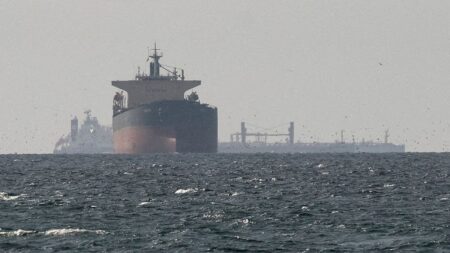
The Strait of Hormuz, a narrow channel of water that serves as the Middle East’s primary oil gateway, has become eerily quiet. Where hundreds of massive oil tankers once moved in a constant stream between the Persian Gulf and the Gulf of Oman, there are now only scattered vessels and anxious silence. Sky’s Data and Forensics team has been closely watching this critical waterway, and what they’re seeing paints a concerning picture of how quickly global trade can grind to a halt when geopolitical tensions boil over. Following a series of strikes exchanged between the United States and Iran, maritime activity through this vital passage has been virtually paralyzed, leaving tankers stranded, captains uncertain, and the global oil market holding its breath.
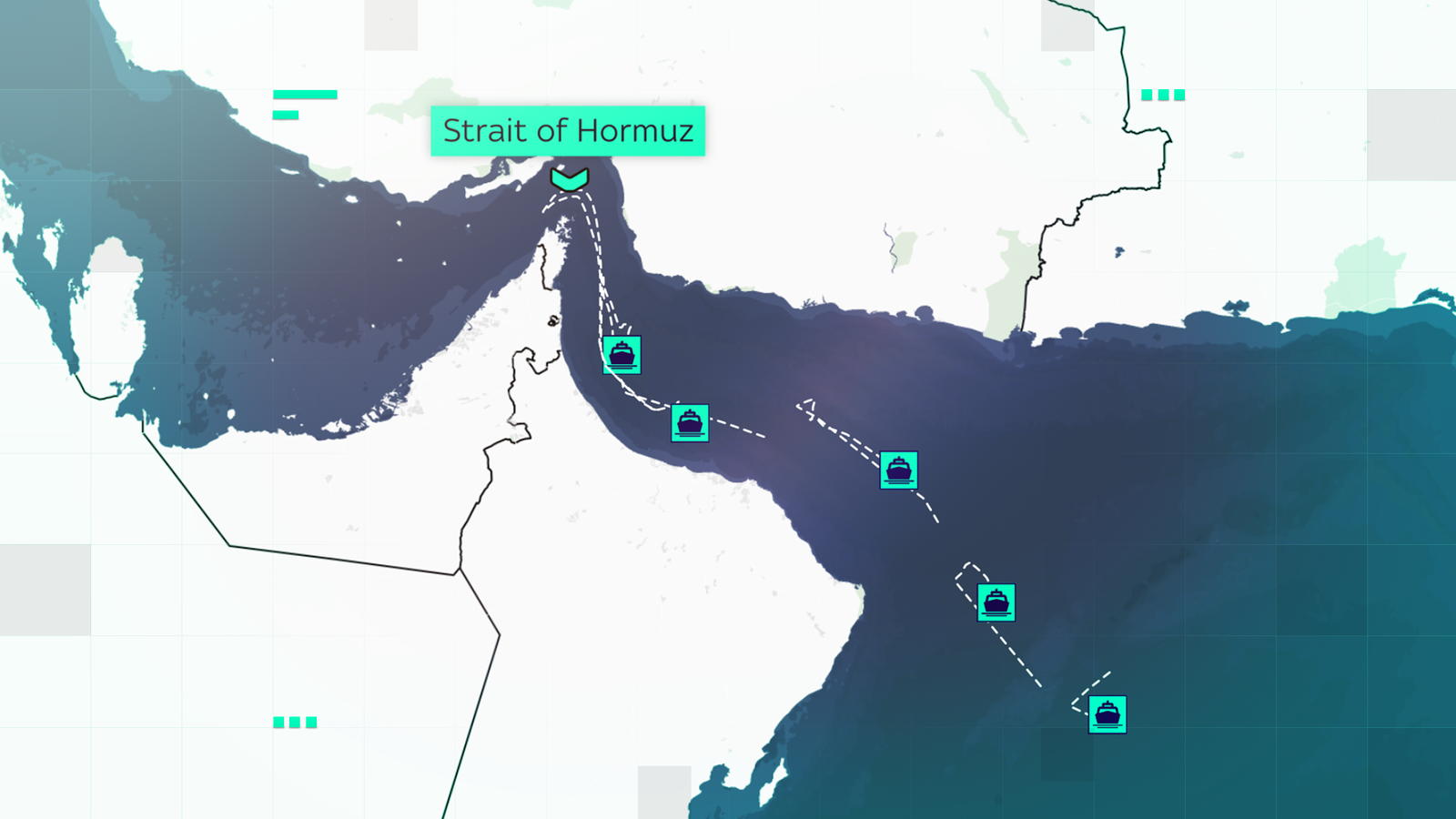
This isn’t just any shipping route. The Strait of Hormuz is arguably the most strategically important waterway in the world for energy supplies. Squeezed between Iran to the north and Oman and the United Arab Emirates to the south, it represents the only marine outlet for the region’s major oil producers, including Iran itself. The numbers tell the story of just how crucial this passage is: in 2024, approximately one-fifth of all global oil flowed through this narrow strait—an astounding 20 million barrels every single day. When you consider that the modern world runs on oil, from the gasoline that powers our cars to the plastics in nearly every product we use, the implications of disruption here ripple outward to touch virtually every corner of the globe.
From Business as Usual to Crisis in Days
Just one month ago, on February 1st, satellite tracking data showed the Strait of Hormuz operating as it typically does—a bustling highway of commerce with tankers moving in both directions, entering and leaving the waterway in a carefully choreographed dance of international trade. The images from that time show dozens of vessels navigating the strait, representing billions of dollars in cargo and the lifeblood of economies across Asia, Europe, and beyond. It was business as usual, the kind of normalcy that we take for granted until it suddenly disappears.
The transformation has been swift and dramatic. By February 28th, just one day after the United States and Israel launched their first strikes against Iranian targets, the maritime traffic patterns had changed drastically. Far fewer vessels could be seen in the area, and the constant movement that characterizes healthy shipping lanes had slowed to a trickle. By March 1st, the situation had deteriorated further. Very few ships remained in the strait itself, and those that were visible on tracking systems appeared to be clustering around large ports on either side of the waterway—tankers seeking the relative safety of harbor rather than risking the passage through what had become a potential war zone.
Ships Turning Back: A Telling Sign of Danger
The Data and Forensics team didn’t just look at the overall picture—they tracked individual vessels to understand exactly how ship captains and companies were responding to the crisis. One tanker, the KHK Empress, tells the story clearly. This massive vessel was already navigating through the strait when it suddenly turned back on Saturday morning at around 10:00 AM UTC. By Saturday evening, four additional tankers had made the same decision, turning away from the strait to head back out into the relative safety of the Gulf. By Sunday, all five of these vessels were actively moving out of the region entirely, their planned journeys abandoned in favor of avoiding whatever dangers might lie ahead.
According to analytics agency Kpler, these five ships alone have the collective capacity to carry approximately 10 million barrels of oil—that’s half a day’s worth of typical flow through the strait, carried by just a handful of vessels now sitting idle or steaming away from their intended routes. When you multiply this scenario across the hundreds of tankers that would normally be in transit, the scale of the disruption becomes clear. Each of these ships represents not just cargo but contracts, delivery schedules, refinery operations, and ultimately the gasoline prices that ordinary people see at the pump. The decision by these captains to turn back wasn’t made lightly—it reflects a calculated assessment that the risks of continuing forward outweigh the considerable costs of delay and rerouting.
Real Attacks Making Real Victims
The fears driving these decisions aren’t theoretical. On March 1st, an oil tanker registered under the flag of Palau, called The Skylight, was attacked while in the area. The assault resulted in four crew members being injured, serious enough that the entire crew of 20 people had to be evacuated from the vessel. This incident transformed the crisis from an abstract geopolitical situation into a very real and personal danger for the sailors whose jobs require them to navigate these waters. These are ordinary people—merchant mariners from countries around the world—whose work suddenly put them in harm’s way through no fault of their own.
The attack on The Skylight sent shockwaves through the shipping industry. In response, the US Navy issued warnings against navigation through the strait, an extraordinary step that effectively confirms the waters are too dangerous for normal commercial operations. Some trading companies have responded by suspending all transit through the area, choosing to halt operations entirely rather than risk their vessels and crews. This isn’t an overreaction—it’s a rational response to a situation that has spiraled beyond acceptable risk levels for civilian commercial shipping. The insurance implications alone would be staggering, with underwriters likely refusing coverage or demanding premiums so high they make voyages economically unviable.
Technology Failures Adding to the Chaos
As if the military strikes and direct attacks weren’t enough, the situation has been made even more dangerous by interference with the ship tracking and communication systems that vessels rely on for safe navigation. The Automatic Identification System, or AIS, is a critical tool that allows ships to broadcast their locations to each other and to shore-based monitoring stations. It’s essential for avoiding collisions, coordinating traffic in busy waterways, and allowing rescue operations if something goes wrong. Comparing AIS signals from February 27th to those from February 28th reveals a disturbing pattern of disruption.
The images captured by the monitoring team show that by February 28th, AIS signals had become severely distorted. Ships were broadcasting locations that appeared to place them far from their actual positions—in some cases showing vessels that appeared to be on land rather than at sea. This kind of interference, whether intentional jamming or a side effect of electronic warfare systems being used in the conflict, creates an incredibly dangerous situation. Without reliable AIS data, captains are essentially navigating blind through one of the world’s busiest and most strategically sensitive waterways. The risk of collision increases dramatically, and the ability of naval forces to distinguish between civilian and military vessels becomes compromised. It’s a recipe for accidents and potentially tragic mistakes that could escalate the situation even further.
Global Consequences of a Regional Crisis
The situation unfolding in the Strait of Hormuz demonstrates with painful clarity how our interconnected global economy means that volatility in one region can send shockwaves across the entire world. Twenty million barrels of oil per day doesn’t just disappear without consequences. When that flow is disrupted, refineries elsewhere run short on crude oil, production schedules are thrown into chaos, and prices begin to spike as markets react to supply uncertainty. The impact isn’t limited to fuel prices, though those are certainly affected. Industrial production that depends on petrochemicals, transportation costs for goods of all kinds, heating oil for homes in colder climates—all of these are connected to what happens in this narrow waterway halfway around the world from most consumers.
The broader implications extend to international trade relationships and global economic stability. Countries heavily dependent on oil imports through the Strait of Hormuz—including major economies in Asia—must now consider alternative supply routes that are longer, more expensive, and may not have the capacity to handle the volume needed. Shipping companies face impossible choices between risking valuable vessels and crews or breaking contracts and leaving customers stranded. Insurance markets are calculating new risk assessments that will affect pricing far beyond this immediate crisis. And energy markets worldwide are responding with the kind of volatility that makes economic planning difficult and can tip fragile economies into recession. What started as a military confrontation between the United States and Iran has become a crisis with the potential to disrupt the daily lives of billions of people who may never have heard of the Strait of Hormuz but who depend on the oil and goods that flow through it every single day.