
The Hidden Cost of Beautiful Countertops: A Modern Silicosis Crisis
When Dream Kitchens Become Deadly Workplaces
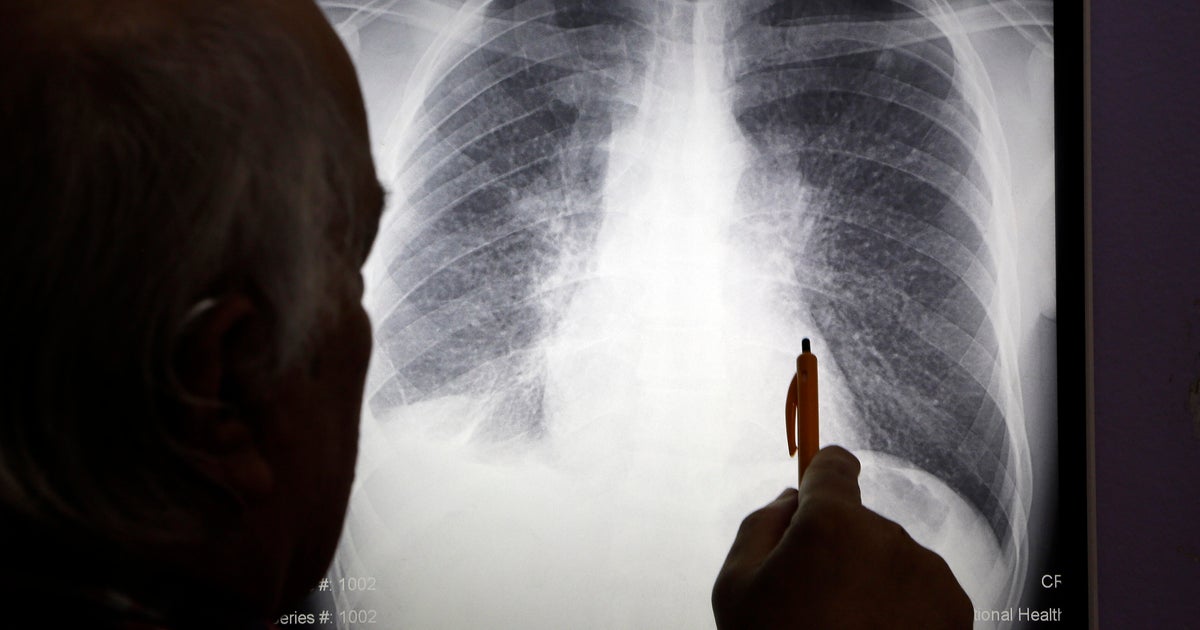
César Manuel González spent his working days surrounded by what seemed like progress itself—sleek, engineered quartz countertops that promised homeowners durability and beauty at an affordable price. At 37 years old, he had transitioned from cutting traditional marble and granite to working with engineered stone after the 2008 recession drove demand for cheaper alternatives. The dust that settled on his clothes and hair each day didn’t seem particularly alarming. It was just part of the job in a small fabrication shop. But that dust was slowly destroying him from the inside. The crystalline silica particles released when cutting and polishing these popular countertops were embedding themselves deep in his lungs, creating irreversible scarring that would eventually leave him gasping for air with even minimal movement. González’s diagnosis of silicosis in 2023 placed him in a growing population of young workers—often Hispanic men in their 30s and 40s—facing a disease once associated with elderly miners at the end of long careers. His only path forward now is a lung transplant, a procedure that offers extended survival but comes with its own heavy burdens: daily anti-rejection medications, constant medical monitoring, heightened vulnerability to infections, and the sobering knowledge that each breath depends on the fragile acceptance of a stranger’s donated organ.
The Booming Industry Behind the Health Crisis
The engineered stone industry has experienced explosive growth, with analysts estimating the global market at approximately $30 billion and continuing to expand as quartz surfaces increasingly replace natural stone in American kitchens and homes worldwide. These countertops have surged in popularity during the home renovation boom, marketed as durable, low-maintenance, and cost-effective alternatives to natural stone. What many consumers don’t realize is the human cost of manufacturing these beautiful surfaces. Unlike natural marble, which contains relatively little crystalline silica, engineered stone—often marketed simply as “quartz”—is typically composed of up to 95% crushed quartz bound together with resins and pigments. This composition makes it extraordinarily dangerous to work with. As Dr. Robert Blink, an occupational and environmental medicine specialist who treats patients with advanced silicosis in Chicago, explains it bluntly: “When you grind it, when you cut it, you’re pulverizing it. You’re weaponizing the silica.” Power tools fracture the surface into respirable particles small enough to lodge deep in the lungs, where repeated exposure triggers inflammation and irreversible fibrosis—scarring that never heals and progressively worsens over time.
A Preventable Tragedy Unfolding Across America
The scale of this crisis is difficult to fully comprehend because silicosis is not a nationally reportable disease in the United States, and surveillance varies dramatically from state to state. California, which has been more aggressive in tracking cases than most states, had identified 519 confirmed cases of engineered-stone-associated silicosis and 29 deaths since 2019 as of early March. The statistics are particularly striking: the median age at diagnosis is just 46 years old, and at death, a mere 49 years. Clinicians treating occupational lung disease across the country—from California to Texas, Florida, and the Northeast—report that the number of workers diagnosed after cutting engineered stone has risen sharply over the past decade. Dr. Robert Harrison, an occupational medicine physician at the University of California-San Francisco, helped identify the first cluster of engineered stone silicosis cases in California in 2019 after several workers from the same countertop fabrication shop either died or were diagnosed with the disease. He described the crisis as “the largest outbreak of silicosis in decades.” Dr. Jane Fazio, a pulmonologist at UCLA, recalls seeing advanced fibrosis in otherwise healthy workers who had families and were working full-time, with some experiencing respiratory failure within just a few years of exposure. When doctors began systematically comparing work histories, the pattern became unmistakable: many of the men had worked in small shops cutting and polishing engineered stone countertops.
Warnings Ignored: A Global Pattern of Neglect
This isn’t a surprise to everyone—California wasn’t the first place to witness this tragedy unfold. The earliest modern alarm came from Israel, where Caesarstone, a company founded on a kibbutz in the late 1980s that helped popularize quartz countertops globally, saw its own workers falling ill. Israeli physicians began documenting aggressive silicosis in young countertop workers as early as 1997. Dr. Mordechai Kramer, a retired pulmonologist who previously worked at Rabin Medical Center in Israel, remembered the shock: “We had never seen this before. In classic silicosis, you expect long exposure, decades. Here, it was much shorter.” Despite these early warning signs, the market continued its global expansion unchecked. Australia confronted the same pattern in the late 2010s and took decisive action. Rather than wait for sporadic diagnoses, Australian regulators launched systematic CT-based screening of artificial-stone workers and discovered that disease prevalence was far higher than anticipated. Dr. Ryan Hoy, a respiratory physician and occupational health researcher at Australia’s Monash University, described severe disease in workers with relatively short exposures. Authorities examined whether wet cutting, ventilation, and respirators could sufficiently reduce exposure, but ultimately concluded that even with controls, fabrication of high-silica engineered stone posed an unacceptable risk. In 2024, Australia took the bold step of prohibiting the manufacture, supply, and installation of engineered stone containing high levels of crystalline silica, forcing manufacturers to pivot toward lower- and zero-silica formulations.
The Battle Over Blame and Accountability
In the United States, fabrication continues under OSHA’s silica standard, which relies on exposure limits, wet cutting, ventilation, and respiratory protection. Manufacturers argue that proper compliance with these measures makes their products safe and that the real problem lies with shops that fail to follow the rules. However, workers like Gustavo Reyes, 36, who received a lung transplant in 2023 after being diagnosed in 2021, tell a different story. Reyes said his shop used water to control dust during cutting, and he wore respirator masks, worked with open doors and overhead fans—yet he still developed the disease. When asked who he believes is responsible, Reyes answered clearly: “The industries who created the artificial stone, the product.” This debate has now reached Congress, where the Protection of Lawful Commerce in Stone Slab Products Act, introduced by Rep. Tom McClintock, would largely shield manufacturers and distributors of engineered stone from civil lawsuits arising from the manufacture or sale of their products. More than 370 lawsuits have already been filed by workers claiming that engineered stone manufacturers failed to warn employees about the risks or sold a product that cannot be fabricated safely. The proposed legislation has turned a workplace health crisis into a national debate over regulation, responsibility, and the limits of civil litigation.
Lives Changed Forever While the Debate Continues
For the workers already suffering, the political and legal debates offer little comfort. The dust they inhaled has already irreversibly reshaped their lives. Plaintiffs’ attorneys like Raphael Metzger, who has filed roughly 200 silicosis-related injury cases and a class action seeking medical monitoring, argue that compliance with OSHA silica standards doesn’t eliminate risk. “It’s not a few bad actors,” he insists—the issue is the product’s composition itself, not isolated regulatory noncompliance. James Nevin, another tort attorney representing workers in silicosis cases, frames the congressional debate as fundamentally about accountability and questions whether the proposed bill amounts to “a manufacturer bailout.” Some manufacturers are beginning to respond to the pressure. In mid-2025, Caesarstone US introduced its first products containing less than 1% silica, while Cosentino reports that one-third of its portfolio now contains less than 10% crystalline silica. Yet for workers like González and Reyes, these developments come too late. Reyes’ transplanted lungs may last years, but not decades—the median survival time for transplanted lungs is about eight years. He hopes that people shopping for countertops will understand that buying artificial stone “will harm the worker. The one who cuts it, the one who manufactures it.” As Dr. Sheiphali Gandhi, an occupational and environmental pulmonologist at UCSF, warns, “We’re missing cases. There’s no national surveillance system for this.” The true burden of this modern industrial disease remains uncertain, hidden in small fabrication shops across the country where workers continue cutting engineered stone, often unaware of the invisible particles scarring their lungs with each shift, all to create the beautiful countertops that have become standard in American dream kitchens.