

Manchester United Distances Itself from Sir Jim Ratcliffe’s Immigration Remarks
A Club Divided: When Ownership Views Clash with Club Values
The football world was rocked when Manchester United found itself in an uncomfortable position, needing to publicly distance itself from controversial comments made by part-owner Sir Jim Ratcliffe regarding immigration. It took nearly a full day—23 hours to be precise—but the club eventually issued a statement reaffirming its commitment to “equality, diversity and inclusion.” While the statement didn’t explicitly name Ratcliffe, it was clearly a response to his inflammatory remarks and represented an unusual public disagreement between a club and one of its key stakeholders. This awkward situation highlights the complex ownership structure at Manchester United and raises important questions about who truly speaks for one of the world’s most famous football clubs.
The irony of the situation isn’t lost on observers. Despite Ratcliffe’s high-profile role and his company INEOS taking control of football operations two years ago, he actually owns just under 30% of Manchester United. The majority shareholders remain the six Glazer siblings, whose own family history includes grandparents who were Lithuanian Jewish immigrants to the United States. While the Glazers haven’t spoken publicly about Ratcliffe’s comments, the club’s official statement—posted on their website—serves as the closest indication we have of their position on his claim during a Sky News interview that “the UK has been colonised by immigrants.” The statement emphasized Manchester’s identity as a city where “anyone can call home” and celebrated the club’s “diverse group of players, staff and global community of supporters”—a message that stood in stark contrast to Ratcliffe’s rhetoric.
A Half-Hearted Apology That Raised More Questions
When Sir Jim Ratcliffe eventually issued his own apology, it was notably brief and seemed to miss the point entirely. A mere 20 words were dedicated to the actual apology: “I am sorry that my choice of language has offended some people in the UK and Europe and caused concern.” The remaining 90 words of his statement doubled down on his position regarding immigration controls, suggesting he was more sorry for how people reacted than for what he actually said. Notably absent from his apology was any mention of diversity and inclusion—the very values Manchester United had rushed to reaffirm. This approach didn’t sit well with many observers, who saw it as a non-apology apology, the kind where someone expresses regret for causing offense rather than acknowledging that their actual words and sentiments were problematic.
The controversy has potentially serious implications beyond public relations. The Football Association is now looking into whether Ratcliffe’s comments could constitute bringing the game into disrepute or whether his language was discriminatory—charges that could result in formal sanctions. Additionally, his working relationship with Manchester mayor Andy Burnham, which is crucial for the ambitious Old Trafford redevelopment project, may be strained. Burnham had publicly condemned the characterization of immigrants as “a hostile invading force” before Ratcliffe’s apology, and it remains unclear whether he considers the matter resolved. What made Ratcliffe’s comments particularly problematic was that he connected his views on immigration directly to his role at Manchester United, saying he’d been “very unpopular at Manchester United because we’ve made lots of changes” before adding, “You’ve got all the same issues with the country. If you really want to deal with the major issues of immigration.” This linkage brought his political views directly into his football stewardship in a way that many found deeply troubling.
The Wider Impact: Escalating Hate and Political Platforms
Anti-racism activists and football equality campaigners were quick to highlight the dangers of Ratcliffe’s language. Piara Powar, executive director of the FARE network, which works to combat discrimination in football, warned that such rhetoric from someone in Ratcliffe’s position risks “escalating hate.” Powar’s concern goes beyond just one incident; he sees a potentially dangerous precedent where wealthy individuals purchase football clubs and then use their platforms to advance political agendas. “He’s now using his platform as a co-owner of Manchester United to put that out there, and that’s a very dangerous precedent,” Powar told Sky News. He emphasized that if the FA doesn’t take the matter seriously, it could open the door for other owners to use their football clubs as vehicles for political messaging, which would be a troubling development for the sport.
The fear is that this kind of language from someone in a position of authority at a major football club doesn’t exist in a vacuum. It can embolden those who already harbor prejudices and make marginalized communities feel less welcome and less safe. For fans from diverse backgrounds, the concern is very real and very personal. Many still face discrimination at matches, and hearing such views from a club owner—someone who shapes the culture and direction of the institution they love—can feel like a betrayal and a threat.
Voices from the Stands: How Fans Are Responding
The supporters most directly affected by Ratcliffe’s comments have been vocal about their concerns and disappointment. Asif Mahmud, chair of the Manchester United Muslim Supporters’ Club, expressed worry about the emboldening effect such rhetoric might have on those who already question whether minority communities belong in Britain. “Will comments like what Sir Jim has said give power and strength to those who feel we don’t belong here?” he asked—a question that cuts to the heart of why words from people in positions of power matter so much. These aren’t abstract political debates when they come from someone who helps run the club you support and love. They become personal statements about whether you’re truly welcome in that community.
Preetam Singh, representing the Stretford Sikhs fans’ group, was equally unimpressed with Ratcliffe’s response, characterizing it as “a very half-hearted apology, more of a justification of what he said yesterday.” Singh expressed hope that both Ratcliffe and the club would issue a more genuine apology that demonstrates real understanding of why the comments were so harmful. The fact that fans are still waiting for that kind of meaningful acknowledgment speaks to a disconnect between the initial statement from the club and what supporters from diverse communities actually need to hear. They’re looking for reassurance that goes beyond corporate language about diversity and inclusion—they want to know that their club’s leadership genuinely values them as equal members of the Manchester United family.
The Deeper Questions: Belonging, Leadership, and Football’s Soul
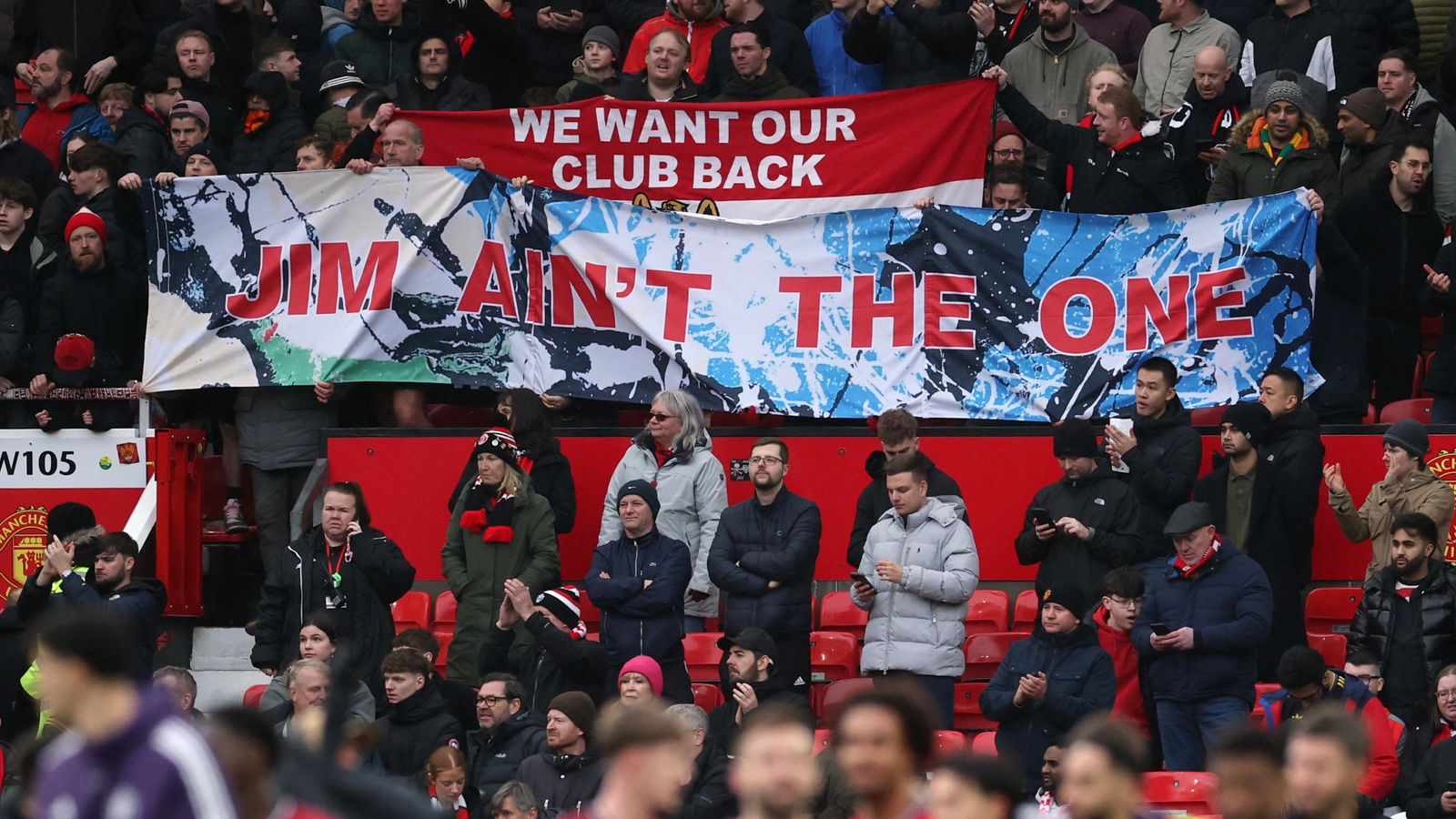
Beyond the immediate controversy lies a more profound question about what this episode means for Manchester United and for football more broadly. This isn’t just about reputational damage or bad publicity that will blow over with the next news cycle. It’s about the fundamental culture of one of the world’s most famous football clubs and whether people from all backgrounds can genuinely feel welcome there. When a leader within the organization expresses views that can seem dehumanizing to entire communities, it affects players who may come from immigrant families, staff members from diverse backgrounds, and millions of fans around the world who have made Manchester United part of their identity despite never having set foot in Manchester.
Football has always prided itself on being a unifying force, a place where differences fall away and what matters is the shirt you wear and the team you support. Manchester United’s global appeal has been built on this inclusive vision—a club that welcomes supporters from every continent, every culture, every background. The club’s statement about Manchester being a place “anyone can call home” reflects this ideal, but Ratcliffe’s comments threaten to undermine it. Moving forward, the club faces the challenge of reconciling its stated values with the personal views of someone in a significant leadership position. How they navigate this tension, and whether Sir Jim Ratcliffe demonstrates genuine understanding of why his comments were so damaging, will say a great deal about what Manchester United truly stands for in an increasingly diverse and interconnected world. For now, fans, players, and staff are watching and waiting to see if words about inclusion will be matched by actions that prove everyone really does belong at the Theatre of Dreams.